


Liberia’s latest post-conference engagement on women’s rights highlights a familiar challenge in global development: translating international commitments into measurable local impact. While participation in high-level forums often signals progress, the real test lies in whether those outcomes reshape everyday realities for women across the country.
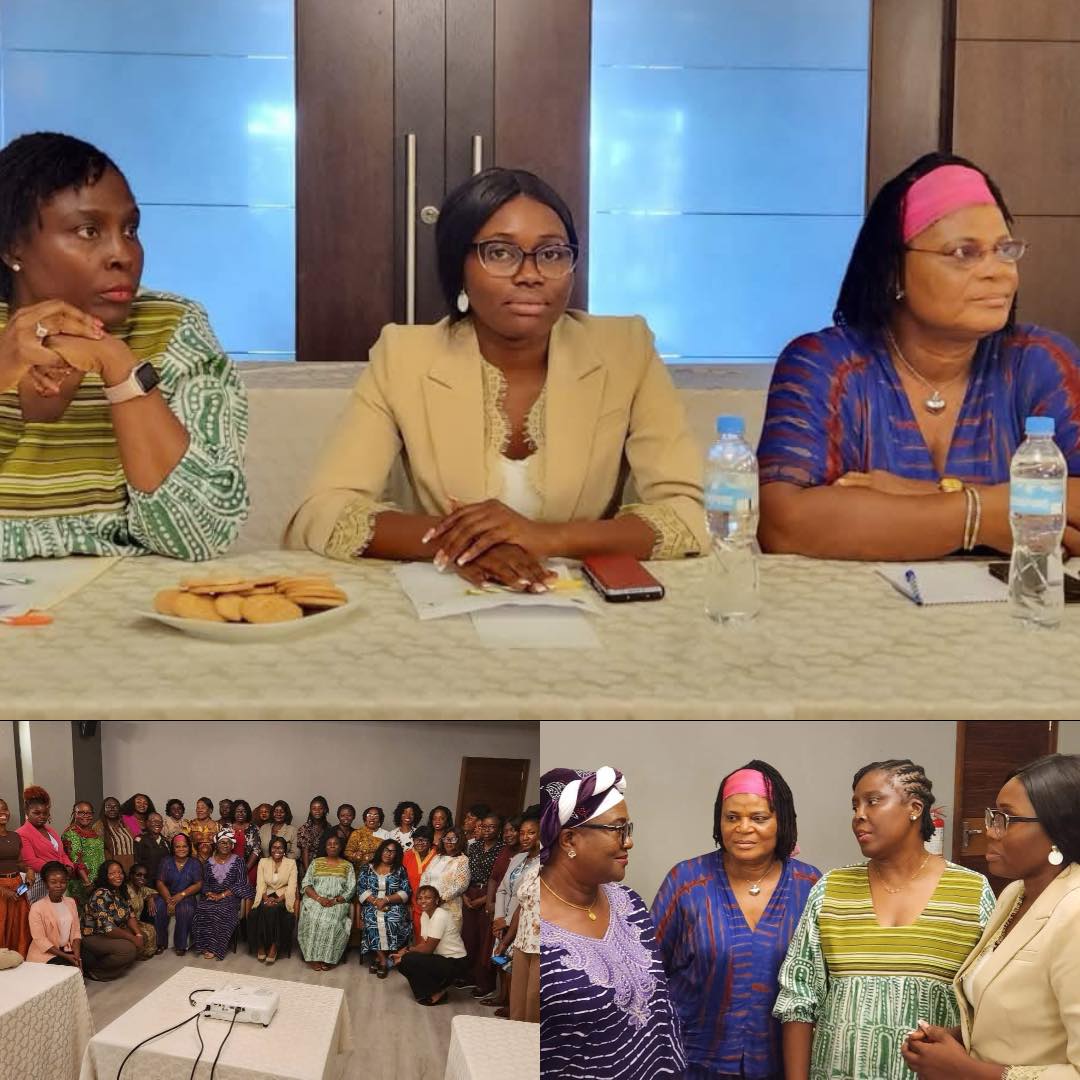
On May 5, 2026, the Ministry of Gender, Children and Social Protection—supported by UN Women and other development partners—convened a Post-CSW70 session in Monrovia. The meeting followed Liberia’s participation in the 70th Session of the Commission on the Status of Women (CSW70), a major global platform for advancing gender equality.
Rather than focusing solely on achievements, the session functioned as a strategic checkpoint. Stakeholders, including government officials, civil society actors, and international partners, examined how Liberia can convert global agreements into actionable policies—particularly in areas such as access to justice, economic empowerment, and leadership opportunities for women.
Officials emphasized that Liberia’s role at CSW70 extended beyond symbolic representation. The country hosted a side event and signed a Memorandum of Understanding aimed at training and empowering 25,000 women nationwide. While this target signals ambition, it also raises questions about implementation capacity, funding continuity, and long-term impact.
Deputy Gender Minister Atty. Laura Golakeh underscored the need to “domesticate” international conclusions, reflecting a broader concern that policy discussions often remain confined to urban centers and elite institutions. Her call points to a recurring structural gap: national strategies frequently fail to reach rural communities, where inequalities are often most pronounced.
This concern was echoed in discussions about decentralization. Plans to extend Post-CSW engagements to counties such as Bong suggest an awareness that sustainable progress depends on grassroots inclusion. However, decentralization efforts in Liberia have historically faced logistical, financial, and coordination challenges—factors that could influence the effectiveness of these initiatives.
UN Women’s representative, Dr. Yemi Falayajo, reinforced the importance of systemic change, highlighting legal protection, equal opportunity, and leadership as pillars of gender equality. Yet these priorities also expose deeper institutional barriers, including limited access to justice systems, socio-cultural norms, and uneven enforcement of existing laws.
At its core, the engagement revealed a critical tension: while Liberia continues to align itself with global gender frameworks, the pathway to implementation remains complex and uncertain. Achieving meaningful progress will require more than policy alignment—it demands sustained coordination across government agencies, consistent investment, and accountability mechanisms that ensure commitments translate into outcomes.
Ultimately, the success of Liberia’s post-CSW70 efforts will not be measured by conference participation or signed agreements, but by tangible improvements in the lives of women and girls—particularly those outside the capital. The shift from global dialogue to local delivery remains the defining challenge.


