


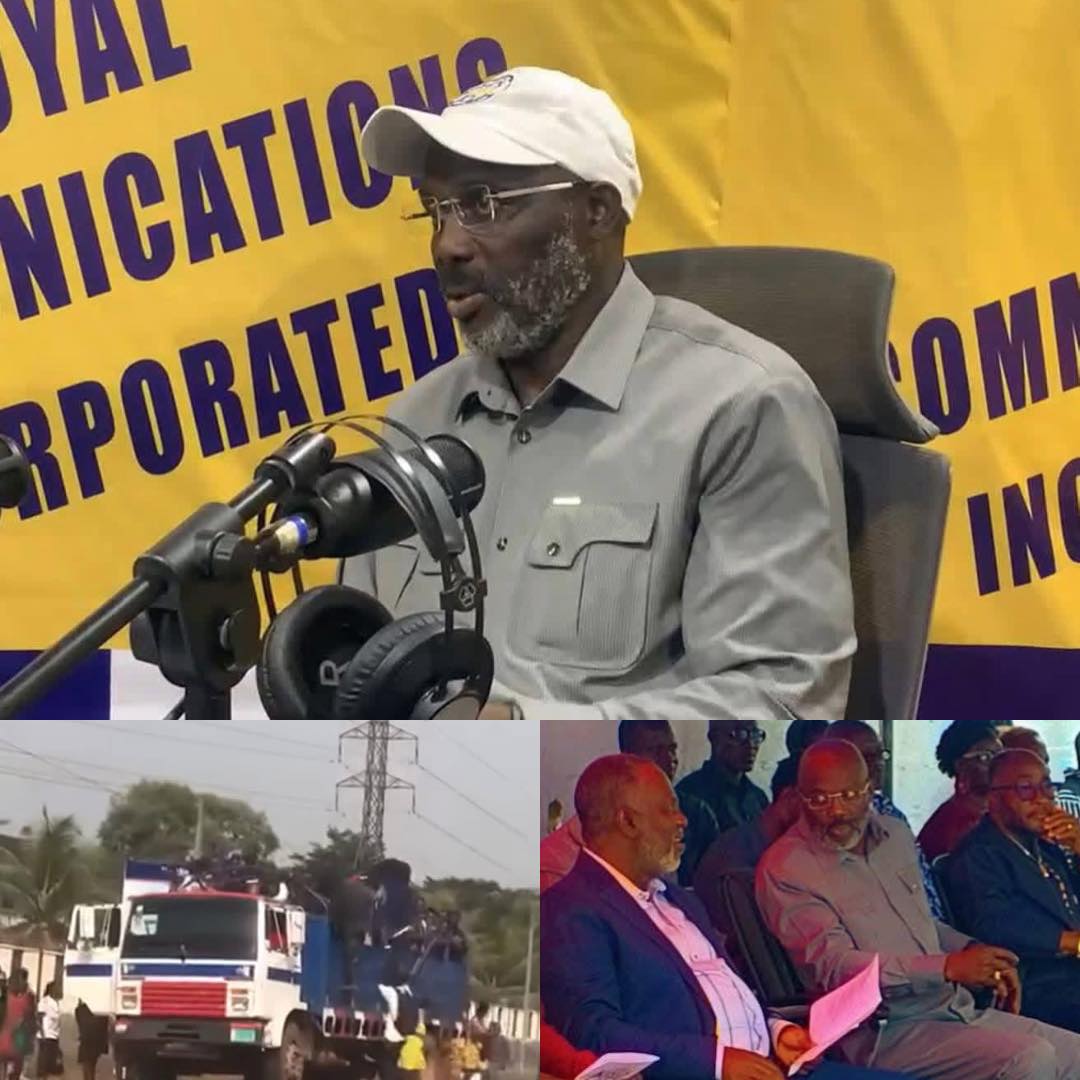
Former President George Manneh Weah has renewed public debate over the role of individual philanthropy in Liberia’s education sector, following remarks defending his long-standing contributions to the University of Liberia.
His comments emerged amid online circulation of images showing students commuting in the back of a truck—an incident that has once again drawn attention to persistent transportation and infrastructure challenges at the country’s flagship public university.
Rather than addressing the issue solely from a governance standpoint, Weah framed the discussion around personal intervention, highlighting contributions he says date back to his football career in Europe. He pointed to the purchase of a university bus during his time at AS Monaco, presenting it as evidence of early support for students long before he entered politics.
The former president also referenced a number of prominent Liberians who, according to him, benefited from his scholarship assistance during their studies. These include figures who have since held influential roles in government and public life, underscoring the long-term impact of private educational support.
Weah’s remarks shift attention toward a broader structural question: to what extent should national development—particularly in education—rely on individual acts of generosity versus sustained public investment? While personal contributions can provide immediate relief, analysts note they are often limited in scale and continuity compared to institutional reforms.
The discussion has drawn mixed reactions. Supporters argue that Weah’s interventions demonstrate a consistent commitment to human capital development, independent of political office. Critics, however, contend that such contributions, while notable, do not substitute for comprehensive policy solutions needed to address systemic shortcomings within Liberia’s education sector.
The episode highlights an enduring tension in Liberia’s development discourse—balancing recognition of private goodwill with the demand for accountable, long-term public sector planning.
As conversations continue, the focus is gradually shifting from individual legacy to a deeper examination of how Liberia can sustainably meet the needs of its students in an evolving educational landscape.


