


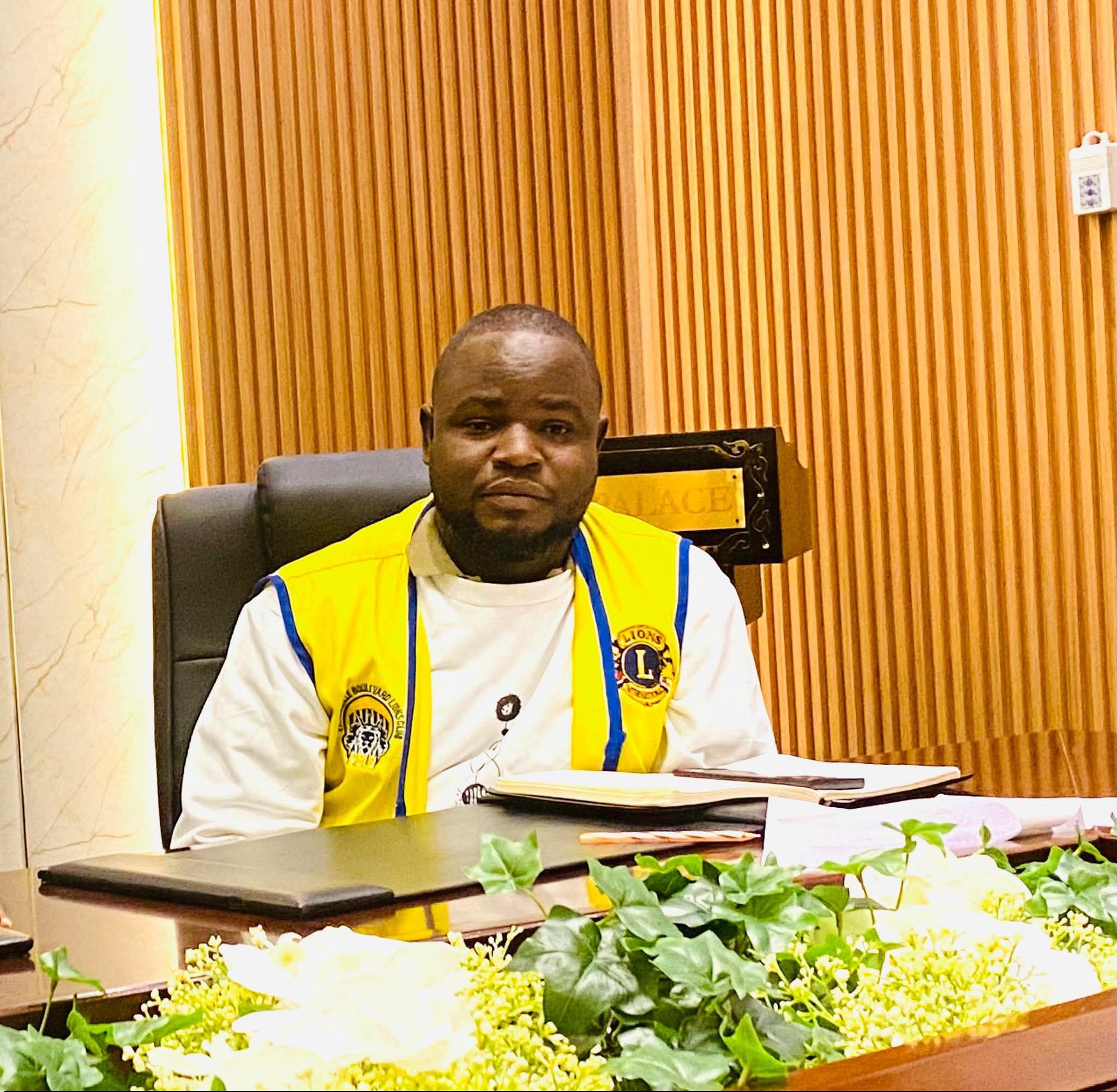
Monrovia, Liberia — Veteran Liberian judicial reporter Melvin Jackson has described the recent verdict in the high-profile US$6.2 million economic sabotage case involving former Finance Minister Samuel D. Tweah Jr. and four other former officials as one of the most consequential and politically divisive criminal proceedings in Liberia’s postwar judicial history.
In an analytical opinion shared publicly, Jackson argued that the mixed verdict not only exposed serious weaknesses in the prosecution’s case but also raised broader legal and political questions about how Liberia handles anti-corruption prosecutions involving national security expenditures.
“What began as the Boakai administration’s flagship anti-corruption prosecution ended not with a sweeping conviction, but with a fractured verdict that exposed deep weaknesses in the prosecution’s theory while simultaneously preserving criminal liability against some defendants,” Jackson wrote.
The case centered on allegations surrounding the unauthorized handling and alleged diversion of US$6.2 million linked to national security expenditures during the administration of former President George Weah. Prosecutors accused Tweah and other former officials of economic sabotage, money laundering, theft of property, criminal conspiracy, and criminal facilitation.
However, the jury ultimately acquitted Tweah and former Financial Intelligence Agency Comptroller D. Moses P. Cooper on all charges, while returning mixed verdicts against several co-defendants.
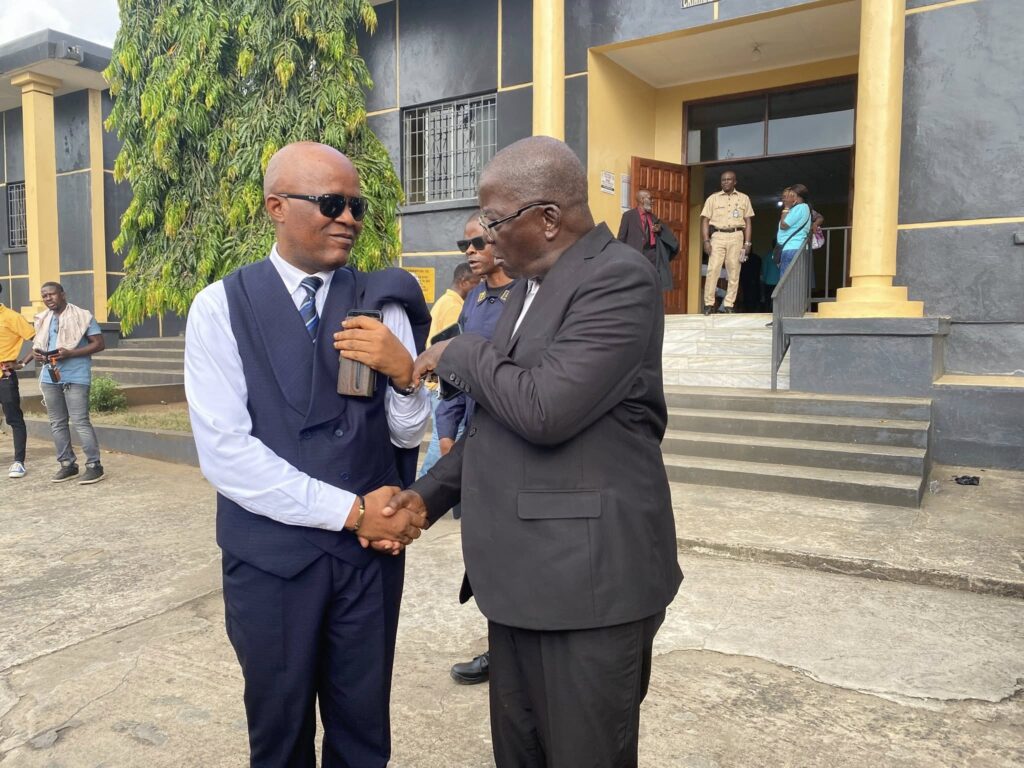
According to Jackson, the acquittals highlighted the prosecution’s inability to directly establish criminal intent, personal enrichment, or unlawful conversion of funds beyond a reasonable doubt.
“The prosecution’s greatest weakness appeared to be its inability to directly trace personal enrichment or illicit conversion of funds to Tweah and Cooper,” Jackson noted. “In complex financial crimes, courts generally require more than suspicion or procedural lapses.”
He argued that prosecutors struggled to prove that alleged administrative irregularities surrounding security-related transactions amounted to criminal conduct under Liberian law.
Throughout the trial, the defense maintained that the disputed transactions were authorized national security operations carried out within executive authority during the politically sensitive 2023 election period. Jackson observed that the jury appeared persuaded by arguments that classified government security expenditures cannot always be publicly documented through conventional accounting procedures.
“The defense’s national security justification appears to have created reasonable doubt, particularly regarding Tweah’s role as Finance Minister rather than direct custodian of the disputed withdrawals,” Jackson explained.
Still, Jackson emphasized that the verdict did not represent a total collapse of the prosecution’s case. Co-defendants Jefferson Karmoh, Nyanti Tuan, and Stanley S. Ford were found guilty on various counts, including criminal facilitation and conspiracy.
The mixed outcome, according to Jackson, suggests jurors attempted to separate high-level policy authorization from operational implementation of the transactions.
“In other words, jurors may have concluded that Tweah and Cooper lacked sufficient direct involvement in the alleged unlawful implementation of the transactions, while other defendants exercised a more active role in handling or moving the funds,” he wrote.
Jackson further pointed to the significance of the hung verdicts returned on several charges, including theft of property and money laundering, arguing that they reflected deep divisions among jurors over whether prosecutors had sufficiently proven the core elements of those crimes.
Legal analysts say the case may now become a major reference point in future Liberian prosecutions involving state security spending and executive authority. Jackson argued that the ruling reinforces an important constitutional principle: that irregular government procedures alone are insufficient to justify criminal convictions without clear evidence of criminal intent or unlawful appropriation.

Politically, however, the verdict represents a major challenge for the anti-corruption agenda of President Joseph Boakai’s administration. The government had publicly framed the case as a landmark accountability effort tied to alleged abuses under the former Congress for Democratic Change (CDC)-led government.
Instead, the acquittal of the case’s two most prominent defendants has intensified accusations from opposition supporters that the prosecution may have been politically motivated or prematurely pursued without sufficient evidence.
“For the defense, the verdict represents a major vindication,” Jackson wrote, noting that celebrations outside Criminal Court “C” following the ruling reflected the highly charged political atmosphere surrounding the proceedings.
Despite the verdict, the legal battle may still continue. According to Jackson, both prosecution and defense teams reportedly noted exceptions to portions of the ruling, signaling possible appeals and retrials on unresolved counts. Presiding Judge Ousman Feika is also expected to address sentencing and remaining procedural matters in subsequent proceedings.
Jackson concluded that the case leaves Liberia confronting difficult but necessary questions about the future of anti-corruption enforcement, financial oversight, and prosecutorial standards.
“Can anti-corruption prosecutions involving state security expenditures be effectively pursued without clearer financial oversight laws?” Jackson questioned. “Or did the verdict simply reaffirm the enduring principle that criminal convictions must rest on proof beyond reasonable doubt rather than political expectation?”
For many observers, the Samuel Tweah economic sabotage trial has now become more than a criminal case — it has evolved into a defining test of Liberia’s justice system, prosecutorial credibility, and political accountability.


