


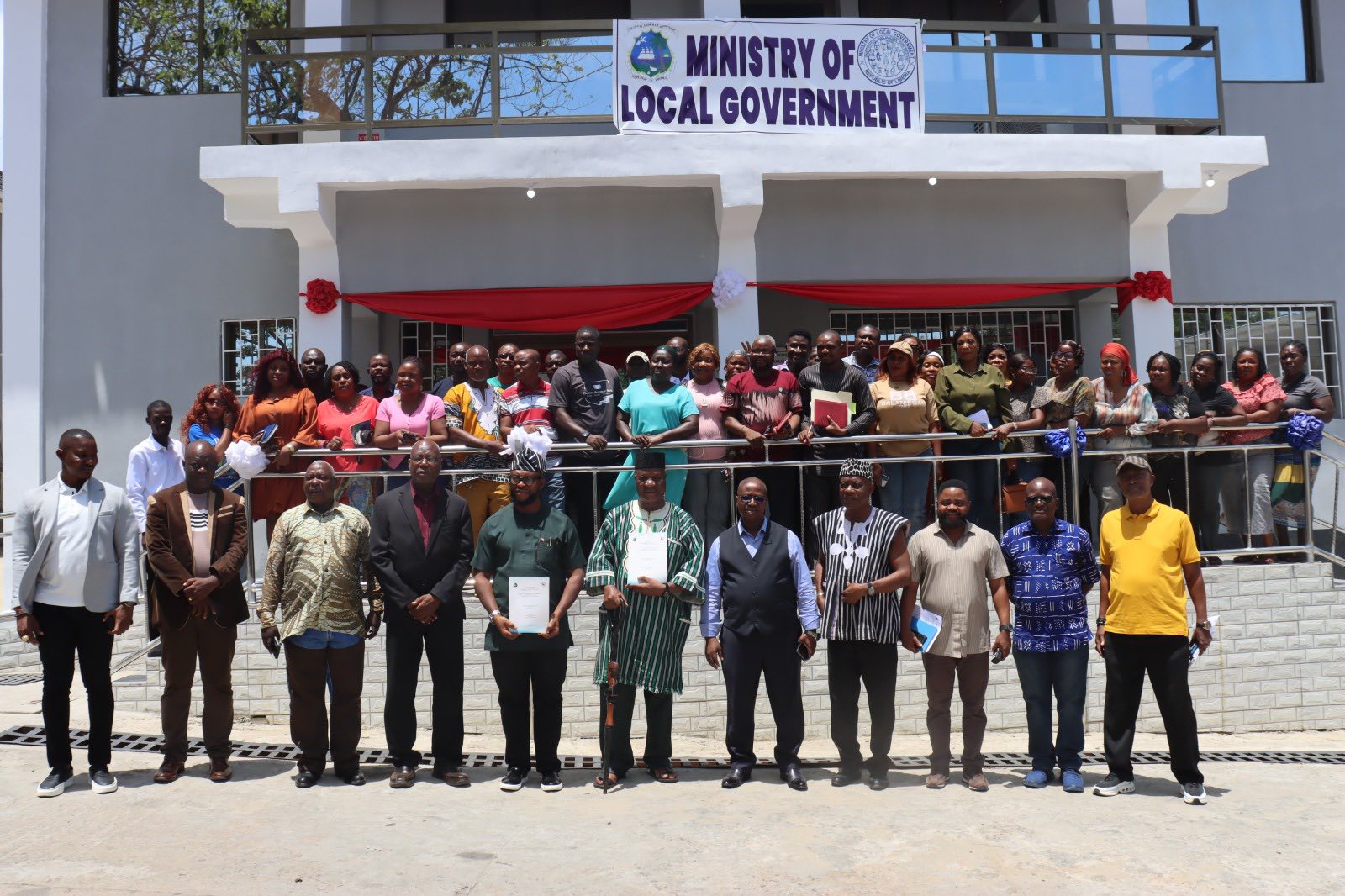
Monrovia, Liberia — A major personnel audit conducted by the Civil Service Agency has uncovered alarming administrative failures, widespread workforce inefficiencies, and serious documentation irregularities within Liberia’s Ministry of Local Government, raising fresh concerns about accountability and professionalism in the country’s public sector.
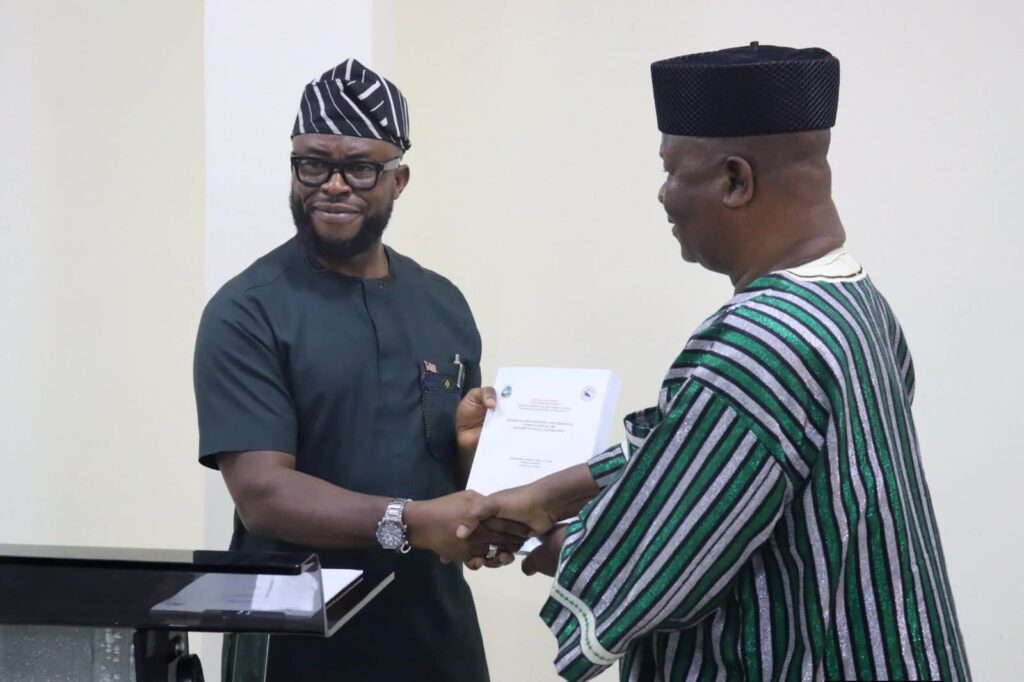
The audit report, presented on Friday, May 8, 2026, by CSA Director-General Josiah F. Joekai Jr., followed a nationwide verification exercise targeting all 4,724 employees assigned to the Ministry. According to the findings, only 3,325 employees were successfully verified, while 1,381 workers remain unverified — a development that has triggered recommendations for payroll suspension and possible removal within 30 days.
The findings paint a troubling picture of systemic weaknesses inside one of Liberia’s key government institutions responsible for local governance and decentralization efforts.
Among the most serious concerns identified by the audit were widespread documentation failures. Investigators discovered that many personnel files lacked basic employment records, academic credentials, appointment letters, and national identification documents. Analysts say such gaps not only undermine transparency but also create opportunities for ghost employees, payroll fraud, and politically motivated hiring practices.
The report additionally exposed major attendance irregularities involving hundreds of employees. A total of 474 attendance-related cases were documented, with disciplinary actions recommended against 279 staff members. Proposed penalties include suspensions, salary deductions, and dismissals.
Beyond attendance concerns, the audit revealed what many observers consider a deeper institutional crisis: the lack of educational qualifications across much of the Ministry’s workforce. According to the CSA report, more than 82 percent of employees either possess no formal credentials or hold only high school diplomas. Shockingly, only one employee within the entire Ministry reportedly holds a PhD qualification.
Experts warn that such figures raise serious questions about the Ministry’s capacity to effectively manage complex governance responsibilities, implement decentralization programs, and deliver efficient public services to counties and local administrations across Liberia.
The audit also highlighted gender disparities within the institution, noting that male employees overwhelmingly dominate the workforce, while women account for only 10 percent of appointed personnel on the payroll. Governance advocates argue that the imbalance reflects broader structural inequalities within Liberia’s public service sector.
Further analysis conducted by the CSA found significant mismatches between employees and their assigned roles. At least 257 workers were deemed underqualified for their positions, while 55 were considered overqualified and 14 others were reportedly misplaced within the system.
Dr. Joekai described the findings as evidence of “a weak documentation system” and “a disturbing problem with productivity and efficiency,” calling for urgent reforms in workforce management, employee training, and institutional oversight.
The CSA has recommended several corrective measures, including the immediate blocking of unverified employees from the government payroll pending further review, disciplinary action against attendance violators, the retirement transition of 406 employees, and the reclassification or redeployment of staff based on qualifications and competency.
While F. Sakila Nyumalin Sr., Minister of Local Government, welcomed the report and described it as an important tool for policy reform, critics argue that the findings expose longstanding governance failures that should have been addressed years ago.
Political analysts say the report could intensify public scrutiny of Liberia’s broader civil service system, particularly as the government continues to promise transparency, efficiency, and institutional reform under the administration of President Joseph Boakai.
The audit, supported by the United Nations Development Programme (UNDP), is being viewed as one of the most comprehensive personnel verification exercises conducted in recent years. However, governance experts caution that without sustained political will and strict enforcement of reforms, the findings could become another report with little long-term impact.
For many Liberians, the revelations reinforce growing concerns about inefficiency, weak accountability, and poor human resource management within government institutions — challenges that continue to affect public trust and service delivery nationwide.


