
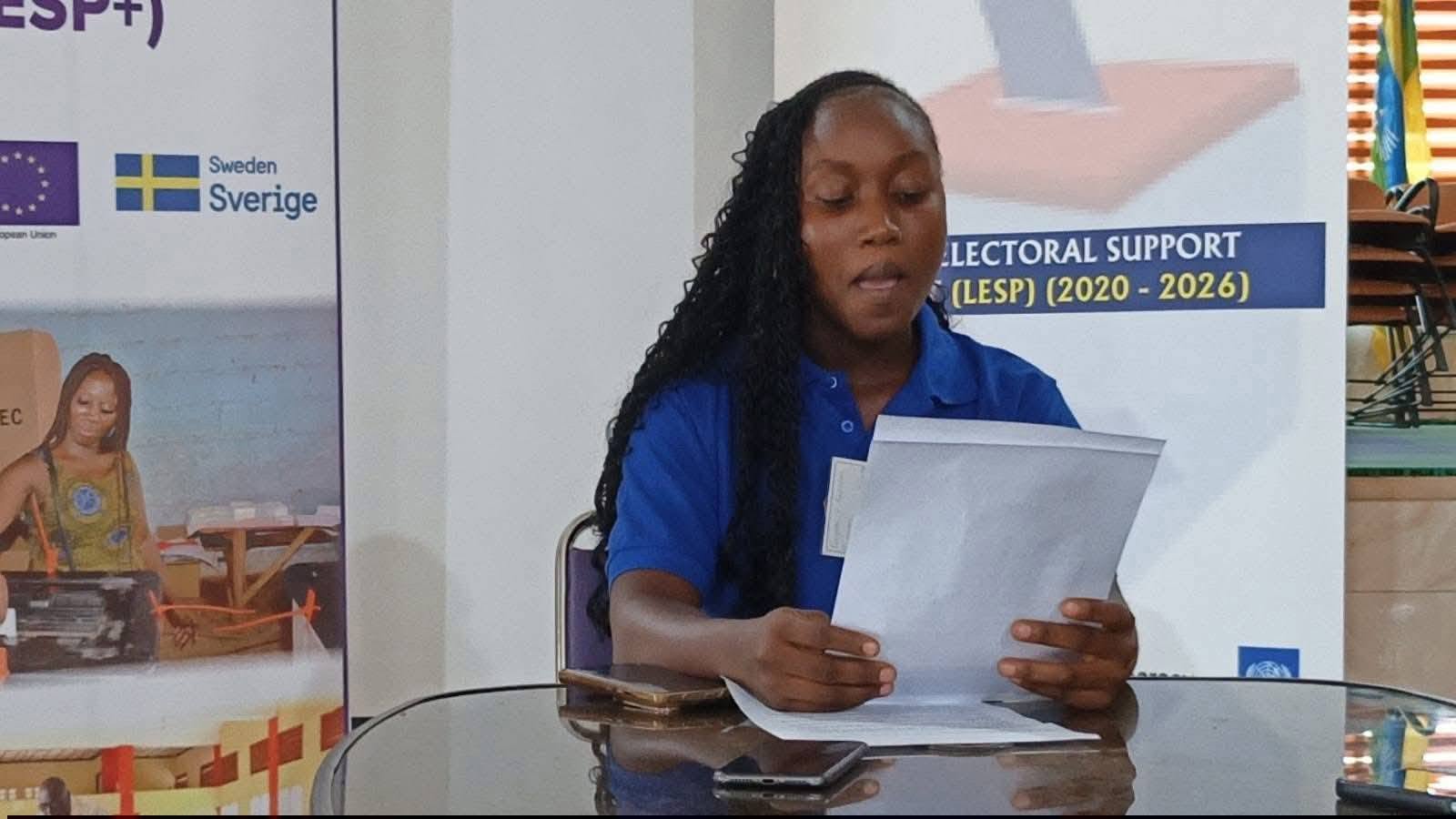
GANTA, Nimba County — In a significant step toward strengthening electoral transparency, public trust, and democratic participation, the National Elections Commission (NEC) of Liberia and representatives of the Liberian media have signed a Joint Communiqué establishing a formal partnership aimed at improving voter education, combating misinformation, and enhancing public engagement in the country’s electoral processes.
The agreement was signed on June 11, 2026, following the conclusion of a three-day Media–Elections Workshop held in Ganta, Nimba County, from June 9–11. The workshop brought together election administrators, journalists, communications experts, and civil society actors to discuss the future of election-related communication and the media’s role in supporting credible democratic processes.
Supported by the European Union through the United Nations Development Programme (UNDP) Liberia Electoral Support Project (LESP), the workshop served as a platform for participants to review, discuss, and amend the NEC’s draft Communications Strategy, Policy, and Protocols. The initiative was designed to strengthen collaboration between electoral authorities and the media while improving the flow of accurate information to the public.
The newly signed communiqué establishes a structured framework for cooperation between the National Elections Commission and media institutions across Liberia. Under the agreement, both parties committed themselves to promoting transparency, strengthening civic education efforts, and ensuring that citizens receive timely and reliable information about electoral matters.
The communiqué was formally read by journalist Amb. Beyeatu Sura Kareem of Ablee-Jay TV, who outlined the key commitments made by both the NEC and participating media organizations.
Under the terms of the agreement, the National Elections Commission pledged to provide media institutions with regular and proactive updates regarding electoral activities, official data, policy developments, and voter education materials. The Commission also committed to making accurate information more readily available to journalists to facilitate responsible reporting and improve public understanding of electoral issues.
In return, media organizations agreed to expand and strengthen their editorial coverage of NEC activities, including civic and voter education campaigns, electoral reform initiatives, policy updates, and regulatory developments affecting the electoral process.
The partnership is expected to improve communication between election authorities and the public while helping citizens gain a deeper understanding of their rights and responsibilities within Liberia’s democratic framework.
One of the most significant aspects of the communiqué centers on the growing challenge posed by misinformation, disinformation, and fake news.
Recognizing the potential threat these issues pose to democratic institutions and public confidence, both the NEC and media representatives pledged to work together to identify, monitor, and counter false or misleading information related to elections and governance.
Participants emphasized that misinformation can undermine electoral credibility, distort public perception, fuel unnecessary tensions, and weaken trust in democratic processes. As a result, the agreement places particular emphasis on fact-based reporting, public awareness, and collaborative efforts to ensure that citizens receive accurate and verified information.
Speaking during the closing ceremony, NEC Executive Director Anthony Sengbe described the communication framework as an important tool that will help the Commission improve transparency, accountability, and public engagement.
According to Sengbe, the finalized strategy will guide the Commission’s future communication efforts and strengthen its ability to provide timely information to stakeholders across the country.
He noted that effective communication remains essential to maintaining public confidence in the electoral system and ensuring that citizens are fully informed about electoral procedures, reforms, and developments.
Sengbe further stressed that partnerships with the media are critical because journalists serve as a vital bridge between public institutions and citizens.
The initiative also received strong support from development partners and civil society organizations involved in electoral governance and democratic strengthening.
James Kpargoi, Communications Specialist for the UNDP Liberia Electoral Support Project, reaffirmed the importance of strategic communication in safeguarding democratic processes and enhancing citizen participation.
He noted that informed citizens are better equipped to engage constructively in democratic activities and make informed electoral decisions.
Similarly, Malcolm Joseph, Executive Director of the Center for Media Studies and Peace Building (CEMESP), highlighted the media’s responsibility in promoting credible information and fostering national cohesion during electoral periods.
Joseph emphasized that strong partnerships between election management bodies and media institutions can help reduce tensions, increase transparency, and contribute to peaceful democratic processes.
Throughout the three-day workshop, participants engaged in discussions focused on communication strategies, media ethics, election reporting, voter education, public information management, and mechanisms for addressing misinformation.
The collaborative review of the NEC’s communication policies allowed both election officials and journalists to contribute perspectives aimed at improving the Commission’s engagement with the public.
Participants also explored ways to strengthen trust between media institutions and electoral authorities while enhancing the quality and accessibility of election-related information.
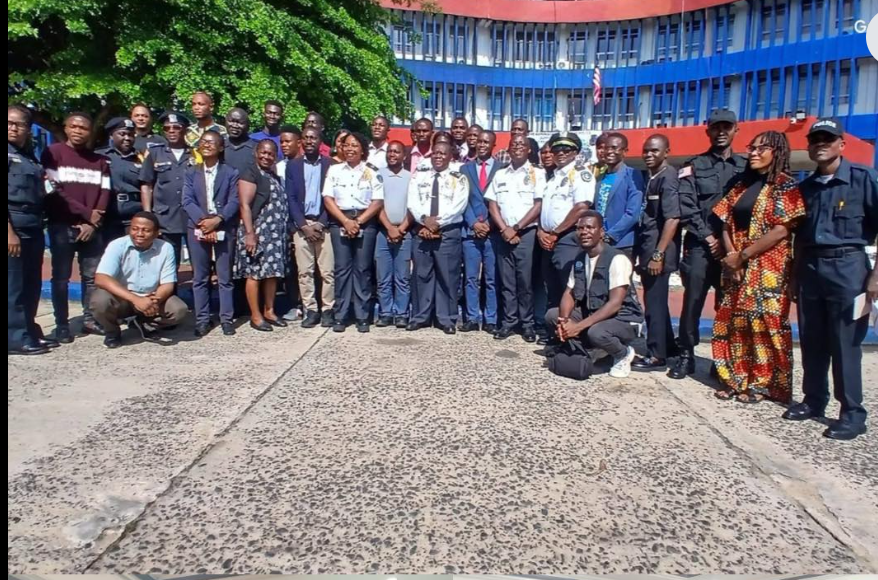
The workshop concluded with the certification of approximately 35 participants, including regional election magistrates, journalists, communication professionals, and other stakeholders involved in electoral governance.
Organizers described the certification as recognition of participants’ commitment to promoting professional communication standards and supporting democratic development in Liberia.
For many observers, the signing of the Joint Communiqué represents more than a procedural agreement. It reflects a broader commitment to transparency, accountability, civic engagement, and the protection of democratic institutions at a time when misinformation continues to pose significant challenges worldwide.
As Liberia continues to strengthen its democratic processes, the partnership between the NEC and the media is expected to play an increasingly important role in ensuring that citizens have access to credible information, understand their electoral rights, and participate meaningfully in shaping the nation’s future.
The agreement also signals a growing recognition that effective elections require not only sound administration but also strong communication systems capable of building public trust and countering misinformation.
With the framework now in place, both the National Elections Commission and Liberia’s media community are expected to work more closely than ever before to promote informed participation, strengthen electoral integrity, and reinforce confidence in the country’s democratic institutions.




Leave a Reply