


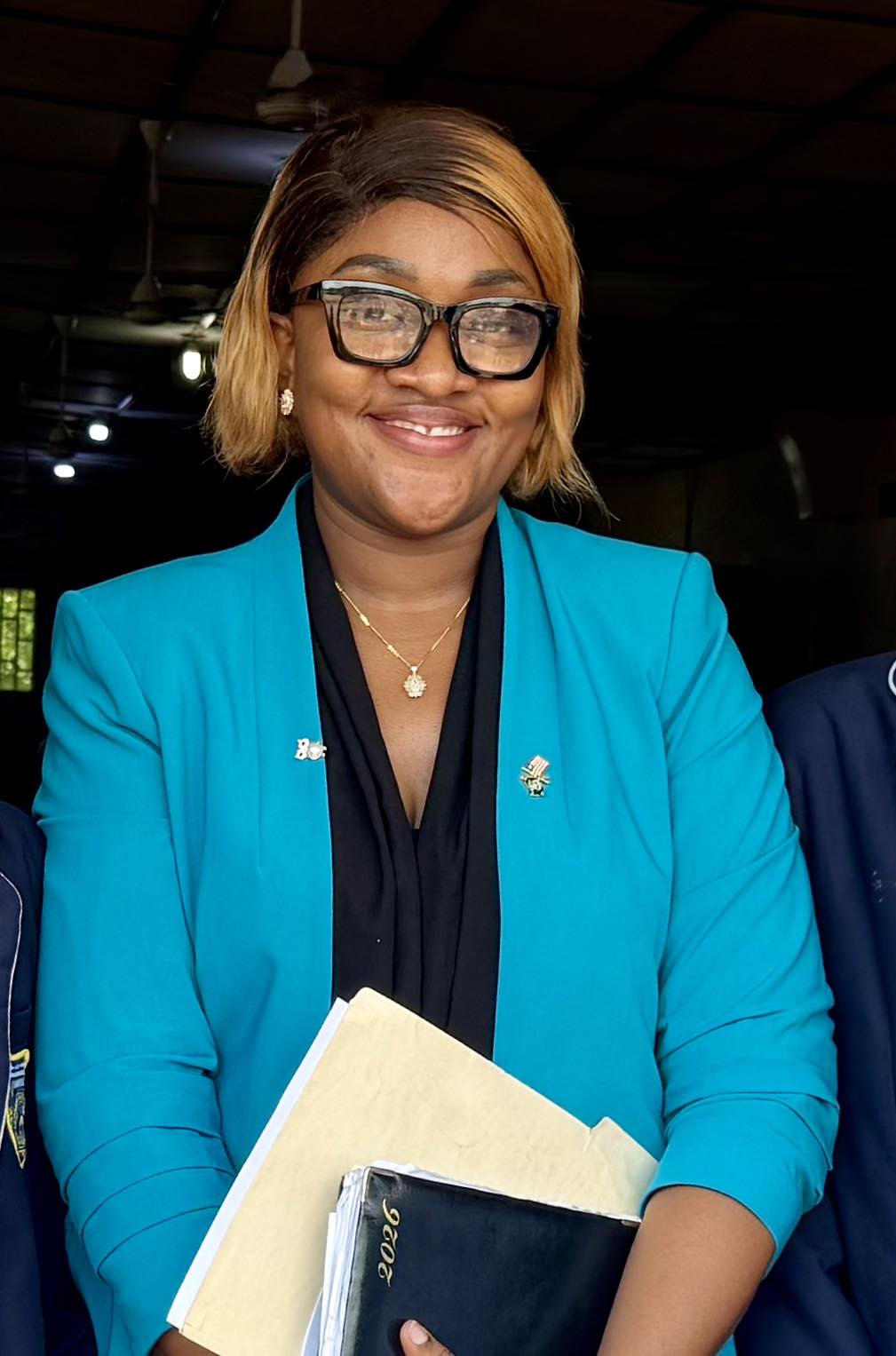
Kakata, Margibi County — Liberia’s government used this year’s World Press Freedom Day celebration to reaffirm its commitment to media freedom and democratic openness, but the occasion also exposed growing questions about whether the administration’s promises are being matched by meaningful structural reforms for journalists and independent media institutions.
Speaking on behalf of President Joseph Boakai during the World Press Freedom Day commemoration in Kakata, Presidential Press Secretary Kula Bonah Nyei Fofana defended the administration’s record on press freedom, describing the media as an essential partner in governance and national development.
Addressing members of the Press Union of Liberia, civil society representatives, journalists, students, and international partners, Fofana emphasized that the Boakai administration recognizes press freedom as a constitutional right rather than a privilege granted by the state.
“There can be no true democracy without a free, independent, and responsible press,” she declared, adding that the government remains committed to expanding democratic space for media institutions across Liberia.
The remarks came under the global theme, “Shaping a World at Peace: Promoting Press Freedom for Human Rights, Security, and Development,” which the government linked to its ARREST Agenda for Inclusive Development.
However, while the administration highlighted progress in media engagement and access to information, critics argue that many of the challenges confronting Liberian journalists remain unresolved, particularly issues related to safety, financial vulnerability, political pressure, and limited institutional support for independent journalism.
During her address, Fofana outlined several initiatives the government says demonstrate its commitment to transparency and media freedom. These included weekly presidential press briefings, bi-weekly Ministry of Information press conferences, increased access for journalists covering the Executive Mansion, and opportunities for media practitioners to accompany the President on domestic and international trips.
The administration also pointed to the absence of political prisoners or jailed journalists in Liberia as evidence of democratic progress under President Boakai.
Yet governance observers note that the absence of imprisoned journalists alone does not necessarily translate into full press freedom. Media advocates continue to warn about economic pressures, intimidation, self-censorship, poor working conditions, and the lack of strong legal protections for journalists operating outside Monrovia.
Fofana acknowledged some of these concerns, particularly the difficult welfare conditions faced by journalists, and pledged continued dialogue with the Press Union of Liberia and media stakeholders to improve safety and working conditions.
“The concerns around journalists’ working conditions, security, and well-being are real and pressing,” she admitted.
Despite these assurances, analysts say Liberia’s media sector still faces deep structural weaknesses that cannot be solved through ceremonial speeches alone. Many journalists continue to work without stable salaries, insurance, legal protections, or adequate resources, making them vulnerable to political influence and economic manipulation.
Observers further argue that while government-media engagement has improved under the Boakai administration, concerns remain over how criticism from independent media outlets will be tolerated when investigations target powerful political actors or expose governance failures.
Fofana also used the occasion to caution against misinformation and disinformation, warning that false information threatens public trust and national stability. She stressed that press freedom must be balanced with responsibility, professionalism, and accountability.
But some press freedom advocates argue that governments across Africa frequently invoke concerns about misinformation as justification for tighter control over media narratives, making vigilance necessary whenever calls for “responsible journalism” emerge from political authorities.
Political analysts believe Liberia’s democratic image will ultimately depend not only on official rhetoric supporting press freedom, but on how the government responds to criticism, investigative reporting, and dissenting voices over time.
As Liberia continues its democratic transition, many journalists say the true test of press freedom will not be measured by speeches delivered on commemorative occasions, but by whether media institutions can investigate corruption, challenge power, and operate without fear of intimidation or political retaliation.
For now, the Boakai administration insists it remains committed to transparency, openness, and democratic accountability. Whether those commitments result in long-term institutional reforms remains a question many within Liberia’s media community continue to watch closely.


