


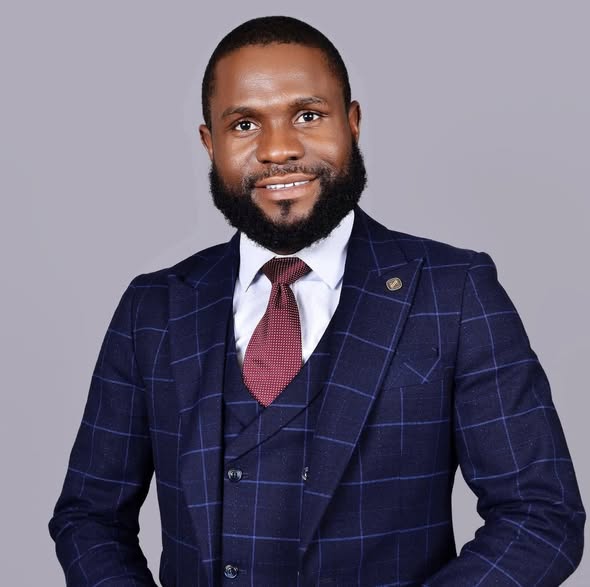
Monrovia, Liberia — The Chairman of the Unity Party Youth Congress, Melvin Cephas, has launched a sharp public criticism against Liberia’s Justice Minister, Oswald Tweh, accusing him of lacking the urgency and commitment required to combat corruption under the administration of President Joseph Boakai.
In a strongly worded statement posted on his verified Facebook account, Cephas warned that what he described as the Justice Minister’s ineffective handling of corruption-related prosecutions could undermine the credibility of the Boakai administration and weaken public confidence in the government’s accountability agenda.
The remarks reflect growing political pressure within the ruling Unity Party itself, as expectations continue to rise over the administration’s promise to aggressively tackle corruption and improve transparency in government institutions.
According to Cephas, the Unity Party’s rise to power was built largely on public frustration with corruption and poor governance under previous administrations. He argued that the anti-corruption pledge was not merely a political slogan, but a binding commitment made to the Liberian people during the 2023 electoral campaign.
“The Liberian people did not mobilize and vote for a government that would remain silent or inactive on corruption-related matters,” Cephas asserted, warning that any failure to pursue alleged corruption cases decisively could damage the moral authority of the government.
He further described the Justice Minister’s approach as deeply troubling, claiming that indifference toward prosecuting corruption could create dangerous political consequences for both the administration and the country.
“However, it is deeply unfortunate and troubling that we find ourselves with a Justice Minister who appears indifferent to the moral and political weight of that promise,” Cephas stated.
He went on to argue that a Justice Minister unwilling to vigorously prosecute corruption cases cannot effectively serve the President, the government, or the Liberian people.
The comments come amid increasing public debate over the pace and effectiveness of corruption investigations involving former and current government officials. Critics of the administration have recently questioned whether the government’s anti-corruption campaign is producing meaningful legal outcomes, particularly following several high-profile acquittals and stalled investigations.
Political observers say Cephas’ remarks are significant because they represent criticism emerging from within the ruling establishment rather than from opposition parties. His statement may also signal growing internal frustration among younger Unity Party loyalists who fear that failure to demonstrate accountability could weaken the party’s political standing ahead of future elections.
Cephas openly called for the removal of Justice Minister Oswald Tweh, arguing that Liberia’s anti-corruption efforts cannot be pursued with hesitation while ordinary citizens continue to face poor healthcare, inadequate schools, weak infrastructure, and economic hardship.
According to him, every day alleged corrupt officials avoid accountability is another day critical public resources are diverted away from national development and essential government services.
He additionally warned that President Boakai’s political legacy and future electoral prospects could depend heavily on whether the administration takes concrete and visible action against corruption.
“The people are watching, and they will remember,” Cephas concluded.
Analysts believe the statement underscores the growing political risks facing the Unity Party administration as public expectations collide with the realities of Liberia’s slow-moving justice system. While the government continues to emphasize institutional reform and due process, increasing impatience among supporters may intensify pressure for stronger legal action and faster prosecutions.
The controversy also highlights a broader challenge confronting many African democracies: balancing the rule of law with political demands for swift accountability in corruption cases. In Liberia, where corruption remains one of the country’s most politically sensitive issues, the effectiveness of the Justice Ministry may increasingly shape public perception of the Boakai administration’s overall performance.


