


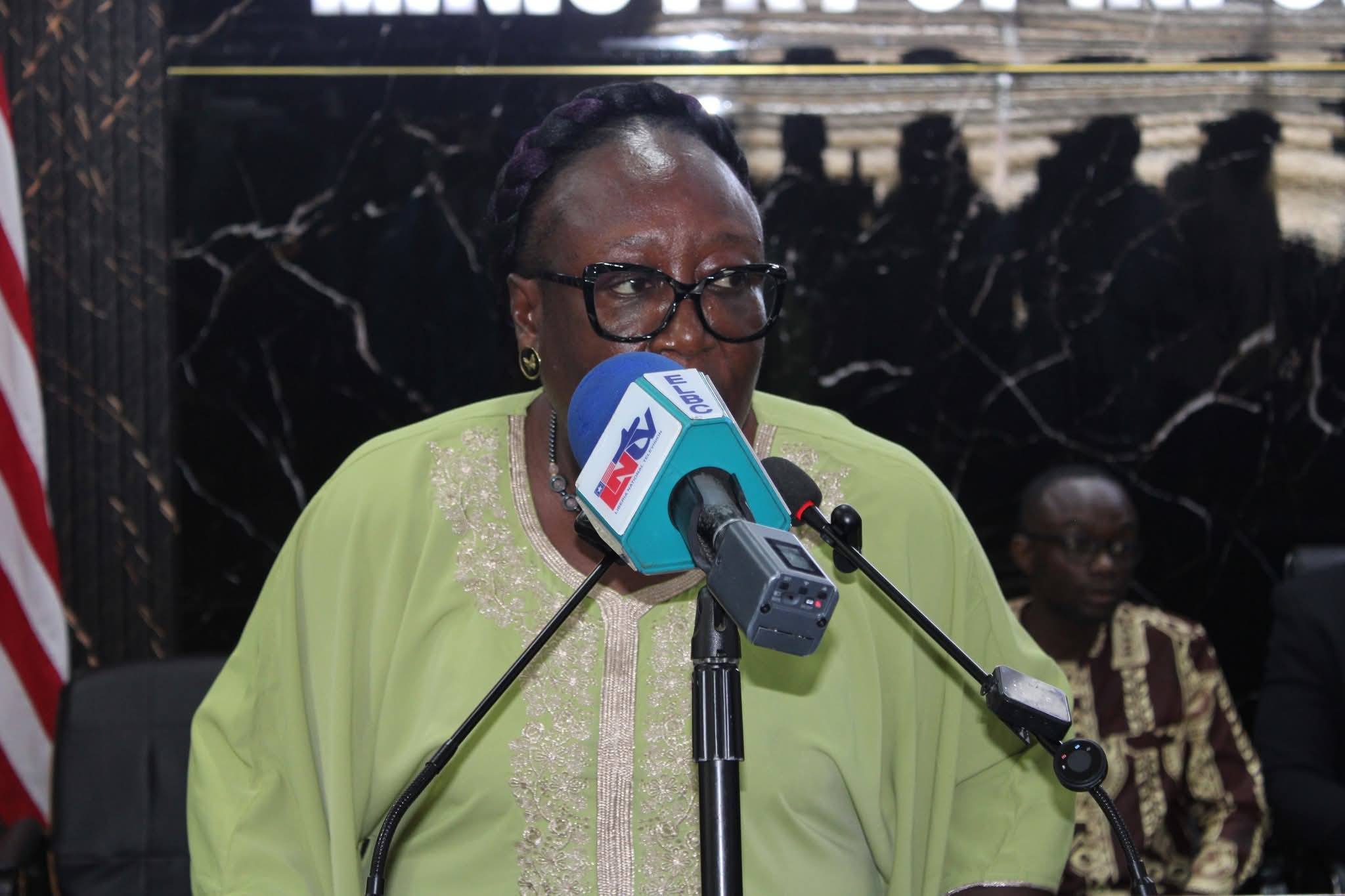
The National Commission on Higher Education (NCHE) is preparing to begin a nationwide feasibility assessment aimed at evaluating the long-term sustainability and effectiveness of Liberia’s free tuition policy at public universities and colleges. The initiative marks a major policy-driven effort to strengthen higher education reform through research, stakeholder engagement, and strategic planning.
Announced under the leadership of NCHE Executive Director Dr. Cecelia Cassell, the exercise is expected to provide the Government of Liberia with critical data and policy recommendations needed to institutionalize and improve the country’s free tuition program. The study reflects a broader attempt by policymakers to move beyond political promises and develop a more structured, evidence-based framework capable of sustaining expanded access to higher education over the long term.
According to Dr. Cassell, the nationwide assessment will be conducted by a technical team from the Commission between May 11 and May 29, 2026. During the tour, the team will visit public higher education institutions across Liberia to assess the operational realities, financial pressures, and institutional challenges associated with implementing the free tuition initiative.
The study is expected to involve direct consultations with university administrators, faculty members, and students in order to gather practical insights into how the policy is functioning on the ground. By incorporating feedback from key stakeholders, the Commission hopes to better understand whether the current system can continue to expand access to higher education without compromising academic standards, institutional efficiency, or financial stability.
Education analysts say the initiative comes at a crucial time for Liberia’s tertiary education sector, which continues to face mounting concerns over inadequate infrastructure, overcrowded classrooms, limited teaching resources, and recurring funding constraints. While the free tuition policy has been widely praised for increasing educational access among economically disadvantaged students, critics have argued that rapid enrollment growth without corresponding institutional investment could weaken the quality of higher education delivery.
Dr. Cassell emphasized that the findings of the feasibility study will provide an empirical foundation for future decision-making and policy adjustments. She noted that the Commission intends to ensure that the free tuition policy is implemented in a manner that balances educational equity with fiscal responsibility and institutional quality.
Observers believe the assessment could become a defining moment for Liberia’s higher education reform agenda. Beyond measuring the effectiveness of the tuition policy itself, the study may also reveal broader structural weaknesses within public universities and colleges that require long-term government intervention.
The initiative follows Dr. Cassell’s recent participation in the Liberian Studies Association Conference in the United States, where she served as a panelist and engaged with members of the Chicago State University community on issues related to educational development and policy reform. The nationwide assessment also represents one of her first major institutional engagements with public higher education institutions since assuming leadership of the Commission.
Guided by its institutional mandate and motto, “Promoting Quality & Equal Higher Education Opportunities,” the NCHE says the feasibility study demonstrates Liberia’s increasing shift toward research-driven governance and evidence-based policymaking within the education sector.
As preparations continue for the deployment of the technical assessment team, educators, students, policymakers, and civil society organizations are expected to closely monitor the process and its eventual recommendations. Analysts say the outcome of the study could significantly influence the future direction, financing model, and sustainability of Liberia’s free tuition policy for years to come.


