


Kakata, Margibi County — The Government of Liberia has intensified its push for fiscal openness and citizen engagement with the nationwide launch of its Open Budget Initiative (OBI) outreach campaign on the Fiscal Year 2026 national budget, led by the Ministry of Finance and Development Planning (MFDP).
From an analytical perspective, the initiative represents a strategic attempt to bridge the long-standing gap between public financial management and citizen understanding of government spending priorities. It reflects a governance shift toward participatory budgeting, where fiscal policy is not only formulated at the central level but also communicated and interrogated at the grassroots.
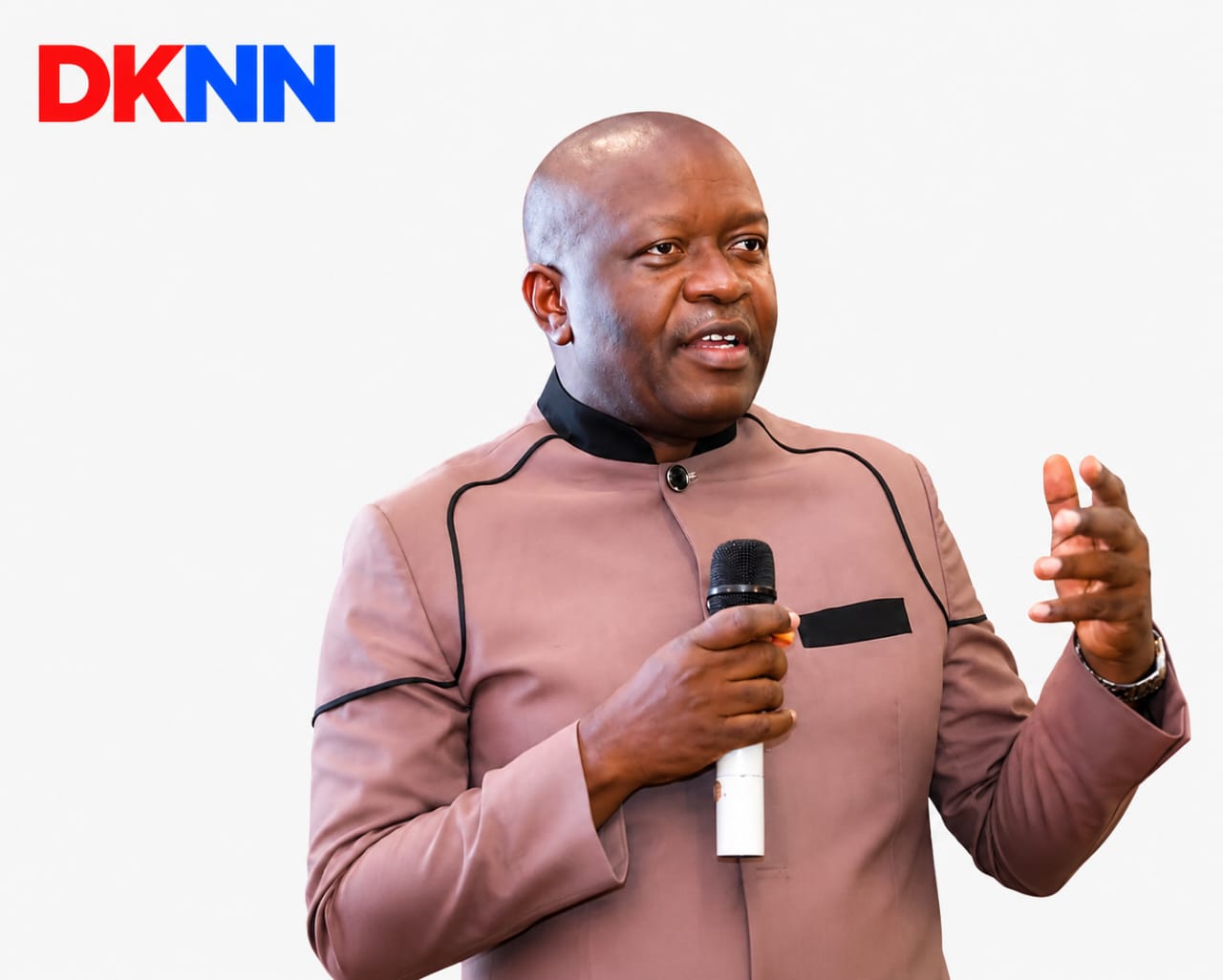
The campaign, officially set to be launched on Friday in Kakata by Finance and Development Planning Minister Augustine Kpehe Ngafuan, will roll out across all 15 counties. It will include a combination of county-level town hall meetings and interactive radio discussions, designed to create structured platforms for public engagement on national budget priorities and expenditure frameworks.
At its core, the initiative seeks to demystify the national budget process by expanding access to simplified fiscal information. As part of this effort, the MFDP will distribute copies of the Citizens’ Guide to the FY2026 National Budget nationwide. The guide is intended to translate complex budget data into accessible language, enabling ordinary citizens to better understand government allocations and development priorities.
Analytically, this approach responds to a persistent challenge in public financial governance: the information asymmetry between the state and citizens. By simplifying budget documentation and decentralising discussions, the government aims to improve transparency while strengthening accountability mechanisms at both national and local levels.
The Open Budget Initiative also aligns with Liberia’s commitments under the Open Government Partnership (OGP) National Action Plan. It directly responds to recommendations from recent Open Budget Survey findings, which have consistently emphasised the need for deeper public participation, improved fiscal transparency, and more accessible budget information systems.
Beyond its technical framework, the initiative raises broader governance questions about the effectiveness of participatory tools in improving public trust and fiscal oversight. While open budgeting platforms can enhance transparency, their impact ultimately depends on sustained citizen engagement, institutional responsiveness, and the capacity of local stakeholders to interpret and act on fiscal information.
In this context, the Kakata launch marks more than a ceremonial rollout; it represents an ongoing test of how effectively Liberia can translate transparency commitments into meaningful public participation in economic governance.


