


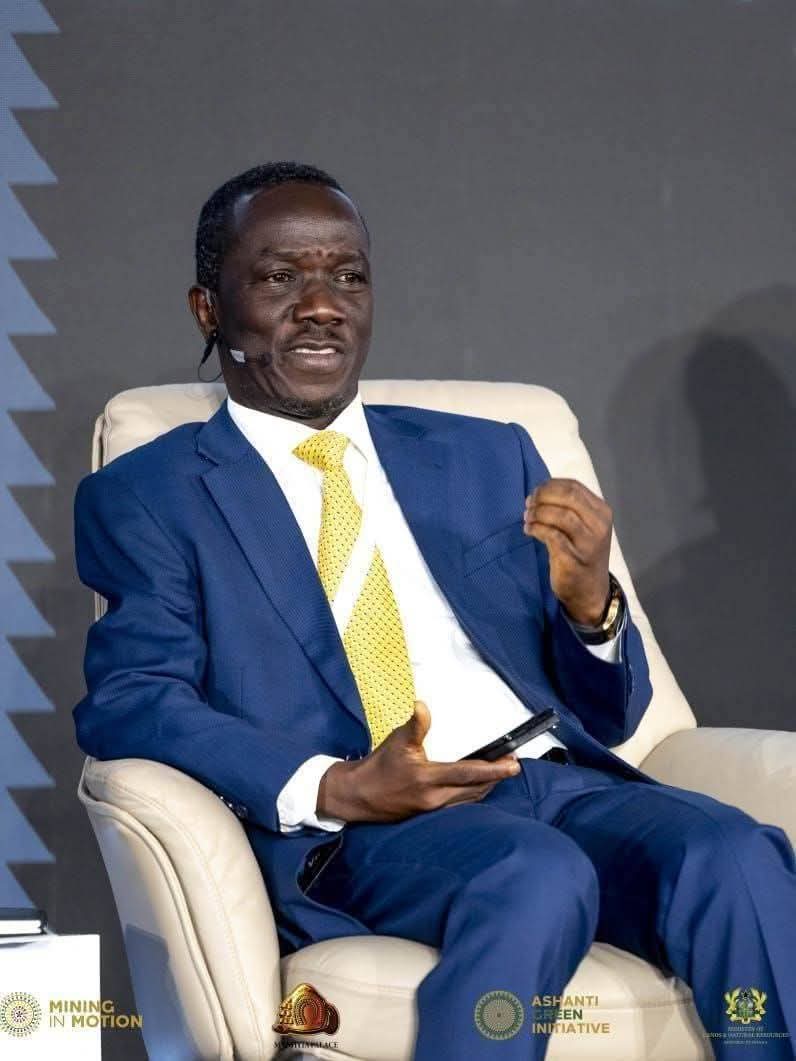
The recent dismissal of Mines and Energy Minister Wilmot J. Paye by President Joseph Nyuma Boakai, Sr., has sparked widespread debate across Liberia’s political and mining circles. While some initially speculated that corruption may have been a factor, emerging accounts suggest otherwise. The decision, according to multiple sources, was driven by deep policy disagreements over the renegotiation of ArcelorMittal’s Mineral Development Agreement (MDA)—a deal that sits at the heart of Liberia’s extractive economy.
A Clash of Interests
Paye, a former political leader and native of Nimba County—the host of ArcelorMittal’s key iron ore operations—reportedly resisted efforts to pass a revised mining deal that, in his view, would once again disadvantage Liberia and its people. His insistence on fairer terms for the country, particularly for the local communities in Nimba, is believed to have placed him at odds with powerful interests both inside and outside government.
Sources close to the ministry describe Paye as “principled and uncompromising,” a reputation consistent with his earlier refusal to accept questionable financial offers during his political career. To many observers, his removal reflects a growing tension between reformist ideals and entrenched business-political alliances.
The “Crimes” of Wilmot Paye

During negotiations with ArcelorMittal Liberia (AML), Paye reportedly advanced three key proposals that drew resistance from both the company and the Executive Mansion:
Revising Licensing Fees
Paye opposed the continuation of what he called “unrealistically low” licensing fees. Under the current MDA, AML pays US$500,000 for a 25-year term, a figure he argued heavily favors the investor over the state. He instead proposed an annual fee of US$1 million for all Class A mining companies—a suggestion AML refused to entertain.
Establishing a National Minerals Company
Paye also recommended creating a National Minerals Company to manage Liberia’s commercial interests and equity shares in major mineral concessions. The proposal aimed to ensure greater state participation and revenue retention. However, insiders claim both President Boakai and AML objected, citing “implementation challenges.”
Separate Negotiations for Nimba’s Deposits
Finally, Paye advocated for independent negotiations for the Mt. Blei and Mt. Detton deposits in Nimba County, arguing that they should not be subsumed under AML’s existing agreement. This stance was again overruled by the administration.
Critics now question whether these policy positions were genuinely detrimental to national interests—or simply inconvenient for those benefiting from Liberia’s current concessionary structure.
The ArcelorMittal Influence
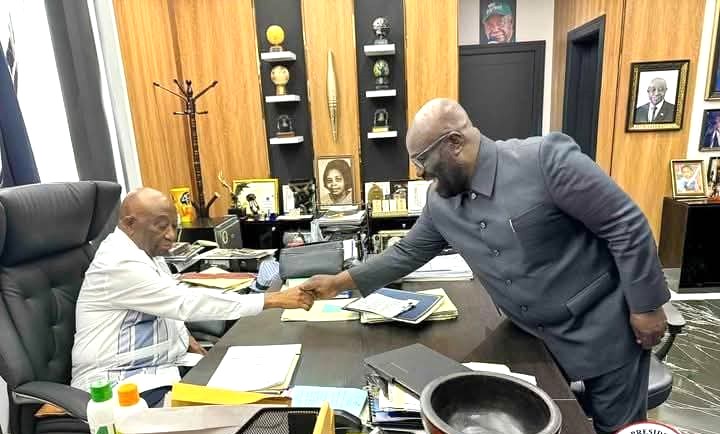
Political insiders allege that ArcelorMittal played an active role in promoting Stevquoah’s appointment to maintain influence within the Executive Mansion—a claim both the government and the company have not officially addressed. Observers now warn that such entanglements could undermine the transparency and sovereignty of Liberia’s resource governance.
At the center of the unfolding controversy is Samuel A. Stevquoah, the current Minister of State for Presidential Affairs and one of President Boakai’s closest aides. Stevquoah previously worked with ArcelorMittal Liberia from 2018 to 2024, where he served as Head of Government Affairs and Head of Corporate Services before returning to public service. The Liberian Senate confirmed him in September 2025.
Public Reaction and Broader Implications
The fallout from Paye’s dismissal has deepened public skepticism toward the Boakai administration’s ARREST Agenda, which promises accountability, reform, recovery, and sustainable transformation. Social commentators argue that the move signals a setback for Liberia’s drive toward equitable resource management.
While government loyalists dismiss the controversy as “political noise,” critics insist that Paye’s exit highlights a disturbing trend—where principled resistance to corporate capture may be punished rather than rewarded.
As one analyst put it, “This was not about corruption. It was about conscience—and the cost of standing alone against powerful networks.”


