



Monrovia, Liberia — Public perception of Liberia’s Ambassador-at-Large for Youth and Sports, Ambassador Alioune Badara Kebe, has often painted him as a transformative figure in the national sports arena. Yet, a closer examination of his tenure reveals significant gaps between the public narrative and the realities on the ground.
Appointed in April 2024 by President Joseph Nyuma Boakai, Ambassador Kebe assumed a role with far-reaching responsibilities. Charged with representing Liberia’s youth and sports interests both regionally and internationally, advising government policy, mobilizing resources, advocating for national sports investment, and supporting infrastructure development across all fifteen counties, the position demands leadership, strategy, and measurable outcomes.
Measured against these benchmarks, Ambassador Kebe’s impact has been limited. Much of the praise surrounding his tenure revolves around the Professional Sports Academy—a singular initiative that, while valuable, falls short of a national sports strategy. Liberia already hosts several grassroots academies and youth teams that remain underfunded, marginalized, and unsupported. Concentrating attention and resources on a single initiative does little to address systemic deficiencies across the broader sports ecosystem.
Geographic inclusivity remains a serious concern. Most of Ambassador Kebe’s visible interventions have been confined to Montserrado County, leaving rural counties largely neglected. A genuine national impact requires deliberate outreach, equitable distribution of opportunities, and a strategy that positions Liberia to compete regionally and internationally while fostering youth empowerment through sports.
Questions about Ambassador Kebe’s effectiveness are further compounded by language barriers and limited local engagement, raising doubts about his capacity to execute such a sensitive diplomatic and policy-driven role. An Ambassador-at-Large is expected to represent the nation internationally, attract partnerships, mobilize investment, and provide strategic guidance. Yet, in a recent interview, Ambassador Kebe acknowledged the enormous challenges facing Liberian youth in sports, highlighting systemic neglect rather than presenting a clear path to institutional solutions.
Sustainability is another glaring weakness. Many initiatives appear personality-driven rather than institutionally anchored. There is little evidence of long-term frameworks aligned with the Ministry of Youth and Sports, the Liberia Football Association (LFA), or other national federations. Programs dependent on individual visibility rather than policy and structure are fragile and unlikely to endure.
Transparency also remains limited. While public messaging highlights donations, school-fee payments, and equipment distributions, critical details such as funding sources, beneficiary selection criteria, and strategic partnerships remain opaque. In a sector that shapes the future of Liberia’s youth, accountability is essential.
Liberia’s youth and sports sector faces systemic challenges: weak policy, inadequate infrastructure, underfunded federations, limited coaching development, poor athlete welfare, and minimal international exposure. Addressing these gaps requires a comprehensive national strategy, broad stakeholder engagement, and measurable outcomes. To date, a results-driven, nationwide approach has not been convincingly demonstrated under Ambassador Kebe’s leadership.
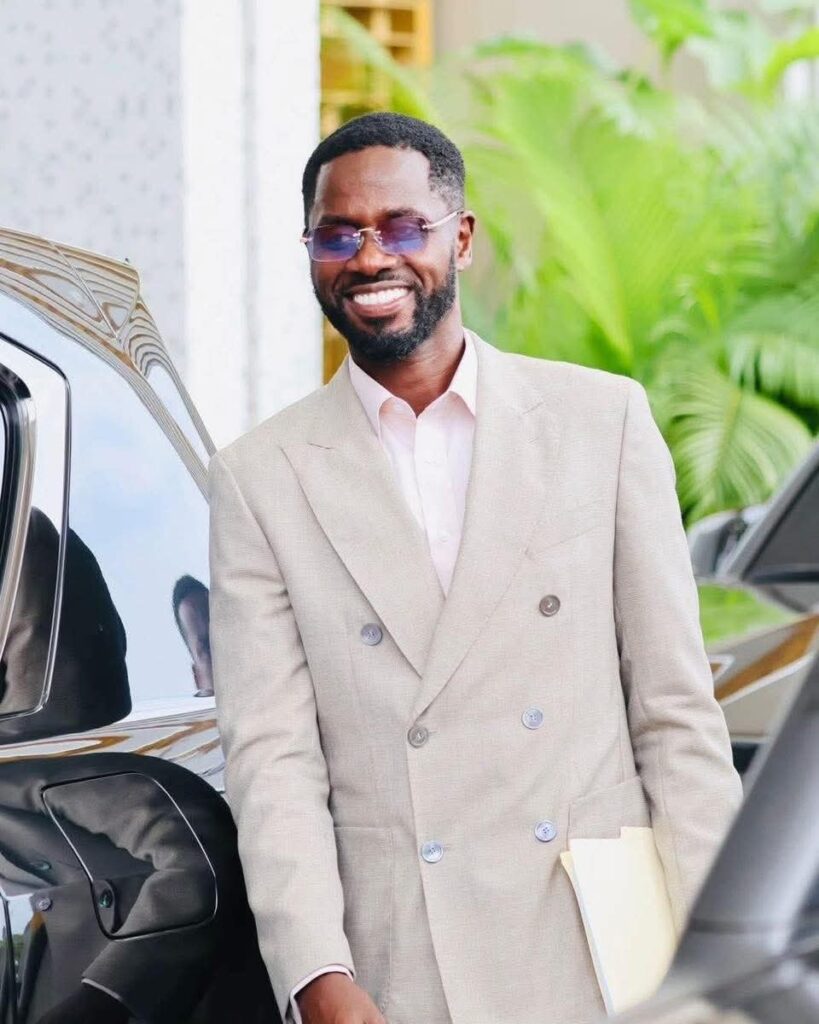
This critique is not a dismissal of all efforts undertaken by the Ambassador. Any contribution to youth development carries value. However, given the scale of the challenges, average performance should not be celebrated as exceptional leadership. Liberia needs bold vision, local knowledge, and inclusive programs that reach every county.
Meanwhile, the Liberia Football Association, under President Mustapha I. Raji, has undertaken a nationwide sports infrastructure initiative supported largely by FIFA and CAF, with minimal national government investment. Other federations, including basketball, continue to struggle, with iconic facilities, such as the open-air basketball court in central Monrovia, falling into disrepair. These realities highlight the disconnect between public narratives of progress and actual development on the ground.
Ultimately, leadership must be judged by impact, strengthened institutions, and sustainable results—not publicity or perception. Until Liberia adopts a deliberate, results-driven, and inclusive approach to national sports development, Ambassador Kebe’s claims risk being more illusion than reality.
Liberia possesses capable professionals—former athletes, administrators, educators, media practitioners, and youth advocates—who understand local realities and could deliver meaningful, sustainable change if empowered. It is time for the nation to prioritize institutional capacity over personality-driven initiatives and ensure that youth and sports development is felt nationwide, structurally, and equitably.
Written by D. Webster Cassell, FIFA-Trained Journalist and Former Secretary General/SWAL, Credit: Liberian Sports International


