


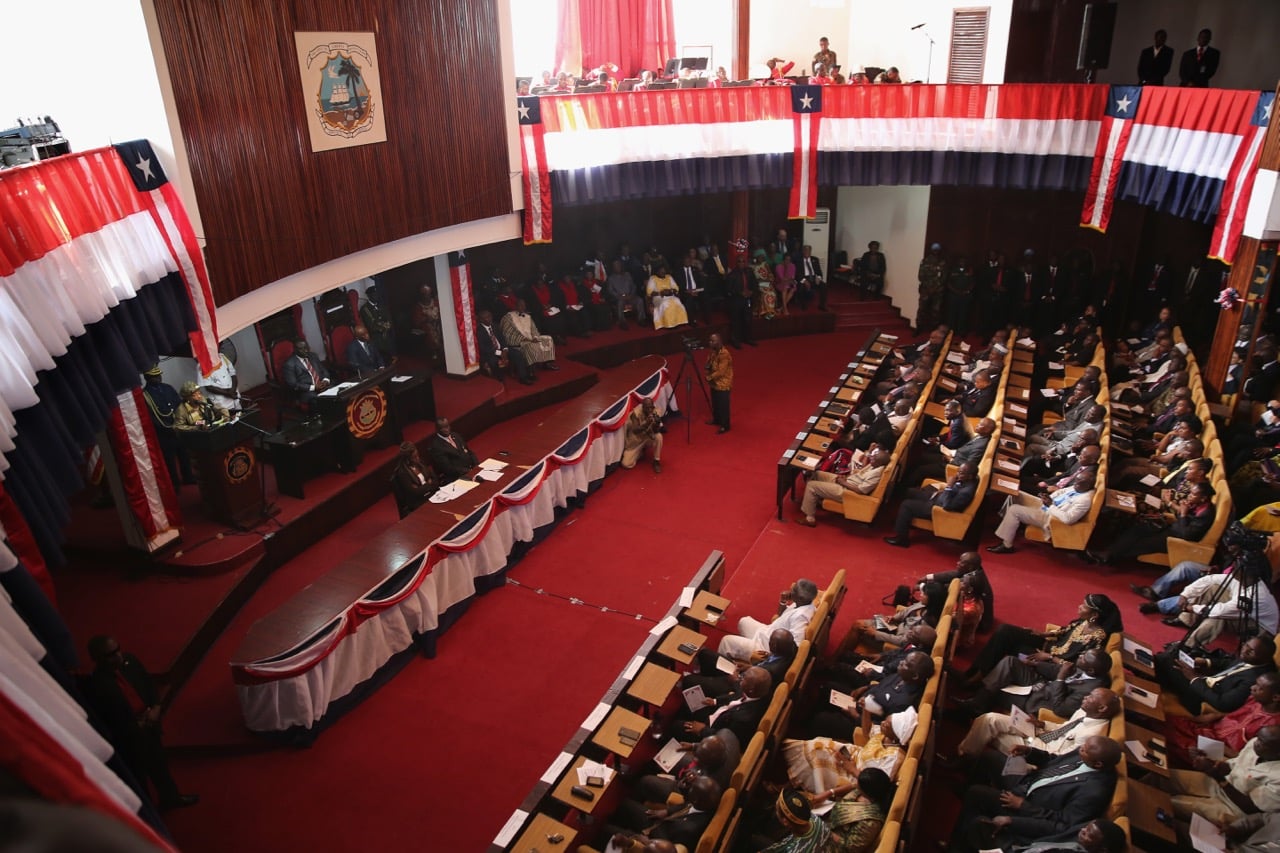
Monrovia, Liberia — The Liberian Senate has formally endorsed two key pieces of legislation aimed at strengthening the country’s response to cyber-related offenses, marking a major step toward the enactment of Liberia’s first comprehensive cybercrime law.
In a communication to the House of Representatives, the Senate confirmed its concurrence with the House’s Engrossed Bills 11 and 12, collectively titled “An Act for the Prevention, Detection, Response, and Prosecution of Cybercrime.” Upon enactment, the legislation will be known as the Cybercrime Act of 2025.
Lawmakers say the proposed law is intended to address the rising incidence of cybercrime in Liberia, including online fraud, identity theft, cyber scams, and other digital offenses that increasingly affect individuals, businesses, and public institutions.
With the Senate’s endorsement now officially transmitted, the legislation returns to the House of Representatives for final legislative procedures. These steps include possible enrollment of the bill and its subsequent submission to President Joseph Nyuma Boakai for signature into law.
Supporters of the measure argue that the Cybercrime Act of 2025 will modernize Liberia’s legal framework by clearly defining cyber offenses, strengthening investigative and prosecutorial mechanisms, and improving coordination among law enforcement and justice sector institutions. They note that the rapid expansion of digital transactions, mobile money services, and online platforms has exposed significant gaps in the country’s existing legal and regulatory systems.
According to legislators, the absence of a comprehensive cybercrime law has hindered effective enforcement and limited protections for consumers and institutions operating in the digital space. The proposed legislation seeks to close these gaps while aligning Liberia’s legal regime with regional and international best practices.
Once enacted, the law is expected to enhance national capacity to prevent, detect, and respond to cybercrime, safeguard personal and institutional data, and strengthen public confidence in Liberia’s growing digital economy.


