


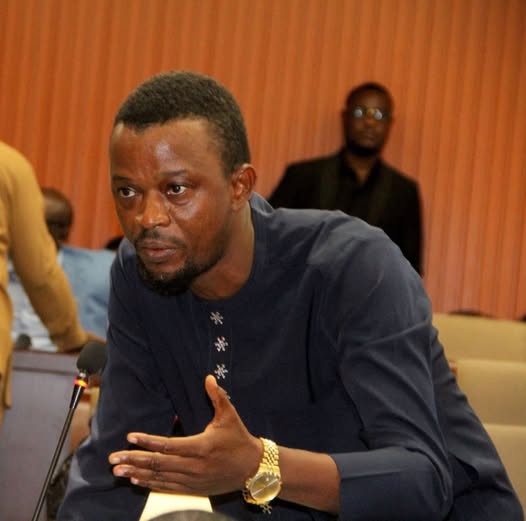
Monrovia, Liberia – November 2025 Montserrado County District #3 Representative Sumo Mulbah has called for closer legislative review of Liberia’s proposed $1.2 billion national budget for 2026, warning that the 50% increase from the previous fiscal year’s $800 million could overburden citizens and test the nation’s fiscal capacity.
In an analytical statement issued this week, Rep. Mulbah said that while he supports the government’s development agenda, the sharp budget rise must be thoroughly examined to ensure economic feasibility and protect ordinary Liberians from unintended hardships.
“While a gradual budget increase is feasible, a 50% jump over the previous budget is unrealistic and may harm citizens,” Rep. Mulbah stated. “Let us view this as advice, not politics.”
A Lawmaker’s Duty: Balancing Trust and Accountability
Mulbah drew on the trustee and politico models of legislative representation, emphasizing that lawmakers have a duty not only to echo public opinion but also to use informed judgment for the nation’s long-term stability. “As representatives, we must assess both the opportunities and risks in decisions of such magnitude,” he said.
According to the lawmaker, the proposed budget expansion—though ambitious—raises economic, social, and institutional concerns about whether Liberia can realistically generate and manage such a large sum without burdening its already struggling population.
Revenue Gaps and Fiscal Realities
Liberia’s historical challenges in domestic revenue mobilization remain a critical concern. Mulbah noted that persistent issues such as tax evasion, corruption, weak enforcement, and a large informal economy continue to hinder fiscal growth.
He acknowledged the government’s ongoing reforms, including efforts by the Liberia Revenue Authority (LRA) to digitize tax collection and broaden the tax base, but cautioned that achieving $1.2 billion in revenue would require extraordinary efficiency and discipline.
“Reaching such a target means strengthening the LRA, closing leakages, and ensuring transparency in natural resource revenues,” Mulbah added.
He further highlighted that global market conditions—especially fluctuating prices for Liberia’s major exports such as rubber, iron ore, and gold—will play a major role in determining whether the projected revenues are achievable.
Economic Implications for Citizens
Rep. Mulbah warned that financing the expanded budget could lead to higher taxes, inflation, and reduced public services, directly affecting citizens’ quality of life. He outlined several potential fiscal measures that could be introduced to meet the revenue target:
Income Tax Increases: Reducing disposable income and household spending. Sales Tax Hikes: Raising the cost of goods and services, disproportionately affecting low-income earners. Property Tax Adjustments: Increasing housing costs, particularly in urban centers. New Levies: Environmental or service fees adding further burdens to consumers.
If the government avoids tax hikes, Mulbah said, it might cut funding for essential sectors such as healthcare, education, and social welfare to meet expenditure obligations. Reduced allocations to healthcare could lead to longer waiting times and higher out-of-pocket expenses. Similarly, cuts in education could affect teacher salaries and student resources, while underfunded infrastructure could hamper economic activity and drive up maintenance costs.
The Political and Economic Stakes
Mulbah warned against using the budget as a political campaign tool, arguing that populist spending promises could undermine economic stability. “When the budget is employed as a political campaign tool, it obscures the intended effects of impact variables, resulting in outcomes that harm citizens,” he said.
He added that inflationary financing, such as printing more money, would erode savings, raise living costs, and weaken public trust in fiscal management.
Beyond household impacts, the lawmaker cautioned that excessive spending without adequate revenue sources could deter business investment and reduce consumer spending, slowing economic growth A Call for Transparency and Dialogue
Rep. Mulbah concluded by reaffirming his commitment to national progress and transparency, emphasizing that his critique is rooted in responsible governance rather than opposition politics.
“This is support for doing the right thing, not politics,” he said. “We will review the budget, engage in open dialogue, and communicate with our citizens soon.”
As lawmakers prepare for formal budget deliberations, Mulbah’s statement sets the tone for a rigorous debate on balancing fiscal ambition with economic reality—an issue that could shape Liberia’s economic trajectory for years to come.


