


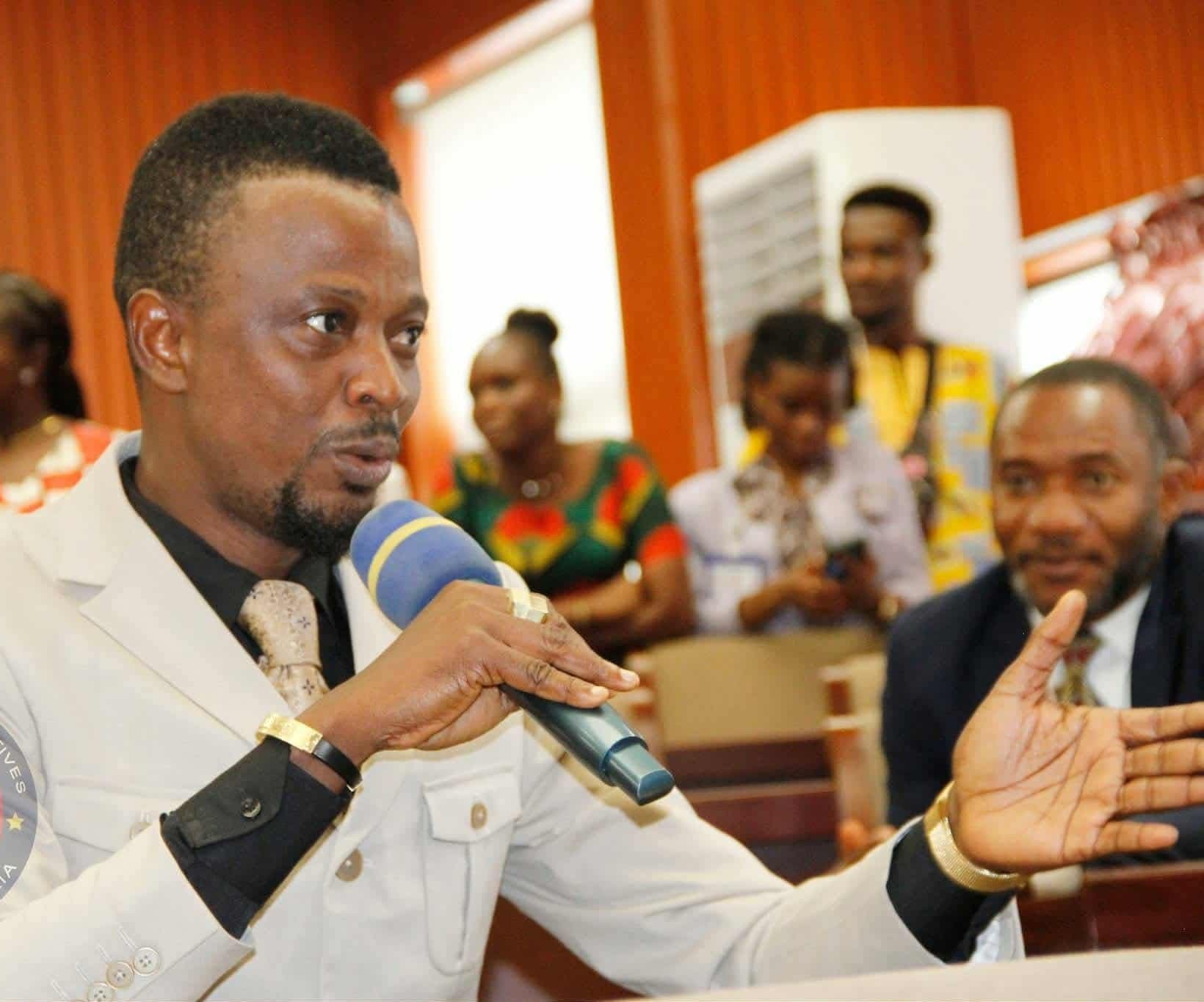
Monrovia, Liberia — Montserrado County District #3 Representative Sumo Mulbah has issued an open letter to the Government of Liberia and the House of Representatives, calling for urgent attention to the proposed amendment to the 2015 Decent Work Act, which seeks to raise private sector wages and address longstanding salary disparities.
In his statement, Rep. Mulbah responded to criticism from what he described as a “purported labor expert” regarding salary alignment with living standards. He emphasized that the Decent Work Act was never intended as a political tool, but rather as a cornerstone policy to protect workers and promote fair labor practices.
“The 2015 Decent Work Act already establishes a foundation for labor standards such as minimum wages and strives to align Liberia’s labor laws with international standards,” he noted. “It is not a political propaganda document.”
The lawmaker explained that the Act created a Minimum Wage Board, responsible for reviewing and recommending wage adjustments based on living costs, workers’ well-being, and economic growth. However, he lamented that the Board has not been effective in addressing salary issues over the past decade, often being used for political purposes rather than policy reform.
Rep. Mulbah argued that most Liberians are more concerned about the practical impact of their wages — whether their earnings can cover school fees and basic needs — than about technical or theoretical frameworks.
The proposed amendment, he said, specifically targets Chapter 16.1 of the Decent Work Act, which deals with minimum wage standards. The changes aim to update outdated provisions to reflect current economic realities and reduce wage disparities.
“The term in my provision, ‘help reduce,’ is intentional,” he clarified. “Salary gaps will always exist, but the goal is to make them fairer and more manageable.”
Mulbah further noted that the amendment includes compliance frameworks designed to hold employers accountable and ensure workers receive fair compensation.
He also accused some public-sector employees — who operate private businesses through outsourcing from foreign concessions — of opposing the bill despite failing to pay their own workers adequately.
“The private sector is not just a one-person operation,” he stated. “Our people should benefit from the wealth generated through the use of our natural resources.”
According to the lawmaker, his proposal has been met with widespread support from ordinary Liberians. During visits to supermarkets and construction material stores, he said citizens expressed gratitude, saying, “Thank you for carrying our money up,” in reference to the planned wage increase.
Mulbah said the salary increase would be implemented gradually, ensuring that employers are not overwhelmed and that the economy remains stable. Once conditions improve, he added, further adjustments could be made.
He pointed out that in many countries, minimum wage reviews occur roughly every decade, typically during strong economic periods — a model he believes Liberia should adopt.
With the two-week deliberation period on the amendment nearing its end, Rep. Mulbah called on his colleagues in the 55th House of Representatives not to be swayed by political pressure or petitions.
“The people of Liberia are watching,” he warned. “This legislation could significantly ease labor tensions, benefit the private sector, and even influence the tone of the upcoming national elections.”
Rep. Mulbah concluded his letter with a unifying message, urging lawmakers to work together in passing the amendment for the collective good of the Liberian people.
“This is in everyone’s best interest,” he wrote. “Let us all succeed together as the 55th House of Legislature.”


