


—Critics Accuse President of Betraying Anti-Corruption Promises
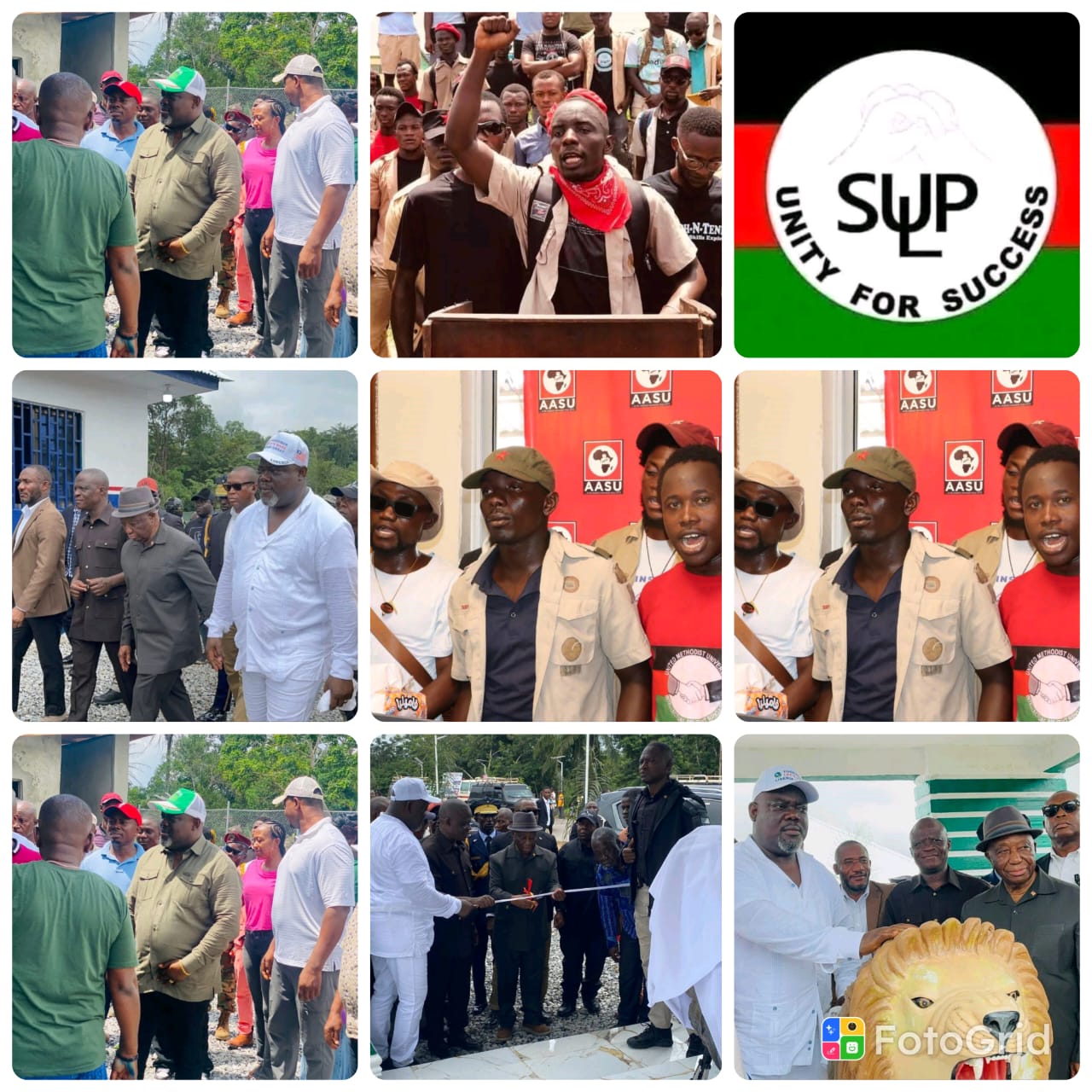
Monrovia, Liberia – July 22, 2025 – President Joseph Nyuma Boakai is facing mounting criticism following his public praise of Deputy Speaker Thomas Fallah during a recent project inauguration in Lofa County. In a strongly worded opinion piece titled “Mr. Boakai’s Endorsement of Corruption: Celebrating a Certified Criminal in Thomas Fallah,” Polay Emmanuel Nya, Chairperson of the Bureau of Press and Propaganda of the Student Unification Party (SUP), accuses the president of undermining his own anti-corruption platform by legitimizing individuals allegedly involved in systemic graft.
The opinion piece — widely circulated in Monrovia — slams President Boakai for what the author describes as a “dangerous message” to Liberians: that corruption, if wrapped in development rhetoric, is acceptable.
“Mr. Boakai traveled to Lofa County to inaugurate a project built by none other than Thomas Fallah… and to publicly celebrate him as a national hero and development giant,” Nya wrote. “Let us be clear: Thomas Fallah is a well-documented public looter.”
Fallah, currently Deputy Speaker of the 55th Legislature and a longstanding figure in Liberian politics, has faced repeated accusations of wealth accumulation through budget manipulation and alleged misuse of public resources. Nya points to reports of Fallah owning over 48 pieces of earth-moving equipment — allegedly procured under dubious means — that are now used for private purposes.
The allegations against Fallah have never been fully investigated or prosecuted, and critics argue that the government’s Asset Recovery Team, tasked with investigating illicit wealth, has done little to hold him accountable.
During the 2023 presidential campaign, President Boakai pledged a radical shift in governance, promising to root out corruption and end “business as usual” practices that had plagued past administrations. That message resonated with voters who were disillusioned by a decade of alleged state plunder under the George Weah-led government.
Boakai’s election was heralded as a turning point for Liberia’s fragile accountability framework. However, Nya and others now argue that the president is walking back those commitments by aligning with political figures accused of corrupt practices.
“Are you telling them [new government officials] to steal as long as they can eventually stage a ribbon-cutting ceremony?” the piece asks. “Are you endorsing the idea that once someone is inside your circle, they can loot with impunity?”
The critique from the SUP, one of Liberia’s oldest and most vocal student political movements, highlights growing tension between the administration and segments of civil society. Youth activists, who were instrumental in galvanizing support for Boakai, say the administration risks losing public trust if it fails to take decisive action on corruption.
The president has yet to respond to the criticisms, but sources within the Unity Party say the visit to Lofa was intended to promote unity and encourage private development initiatives — not endorse corruption. Still, the optics of Boakai’s endorsement of Fallah, a figure many link to past fiscal abuse, has triggered alarm across Liberia’s political spectrum.
“This is not merely a case of bad optics,” says a governance analyst with the Center for Transparency Liberia, who asked not to be named. “It sends the wrong signal to those who believed this government would operate on higher ethical ground.”
Observers say the controversy could grow if the Boakai administration fails to clarify its stance or take action on longstanding allegations against senior political figures. Liberia ranks 142nd out of 180 countries in Transparency International’s 2024 Corruption Perceptions Index, with corruption identified as one of the key impediments to development.
Nya concluded the opinion piece with a call to action, urging citizens to organize, educate themselves politically, and challenge the political elite. “The struggle continues — and we will not back down,” he wrote.
As public disappointment brews, the Boakai administration faces a critical test: whether it can remain true to its anti-corruption promises or become entangled in the very practices it vowed to end.


