


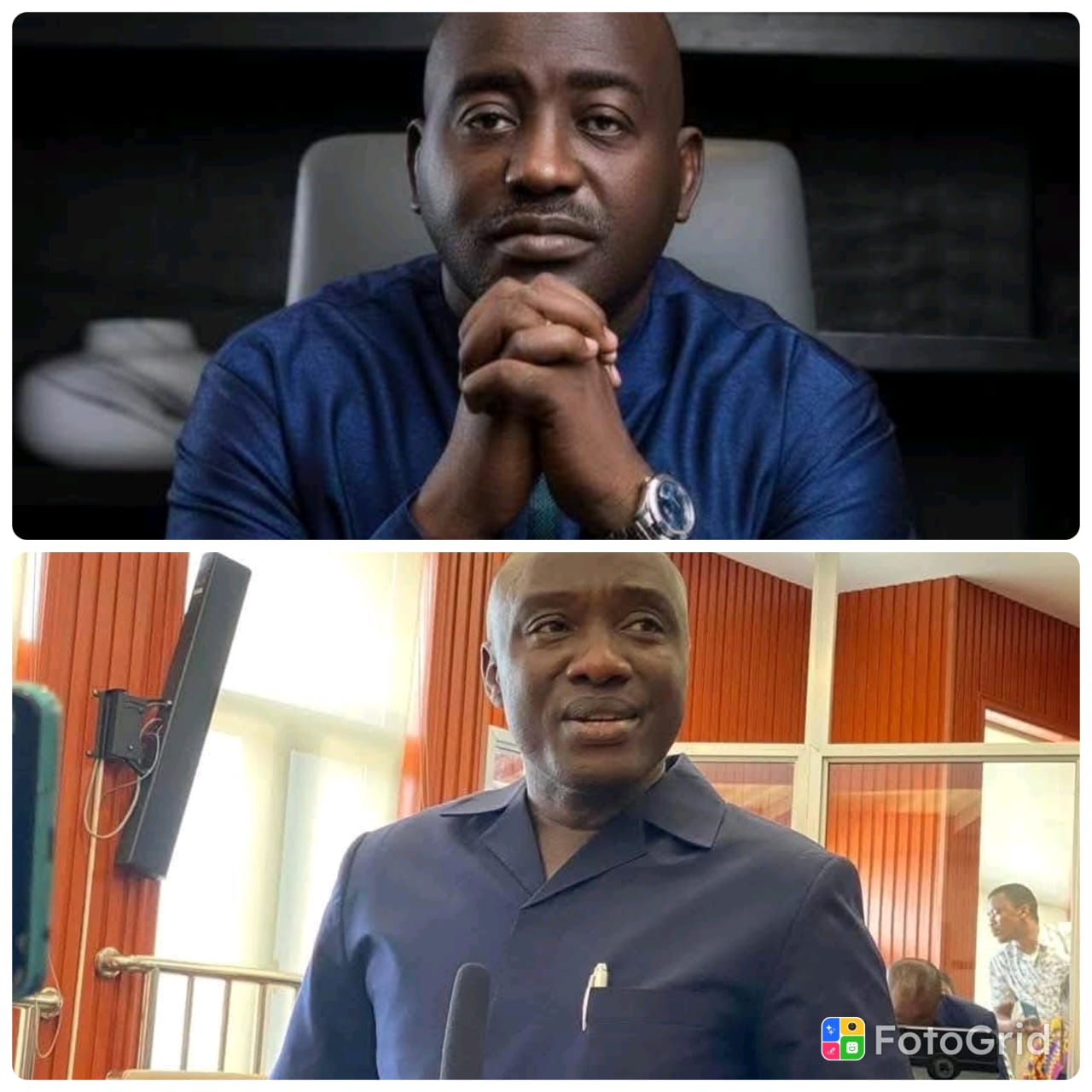
Monrovia, Liberia – As Representative Musa H. Bility of Nimba County District #7 sharpens his national political profile, analysts and senior politicians alike are sounding the alarm over what they describe as a premature and divisive strategy. Bility, who also leads the Citizens Movement for Change (CMC), has recently come under scrutiny for making contentious statements targeting prominent figures such as Bong County Senator Prince Kermue Moye and Margibi County Senator Emmanuel Nuquay.
The young lawmaker’s political rhetoric—especially his remarks during a recent appearance on Spoon Talk Live—has drawn sharp criticism. In that broadcast, Bility suggested that his rising popularity poses a “threat” to established leaders in Bong and Margibi counties. He also accused Senator Nuquay of amassing wealth through “stealing,” drawing a contrast with his own business-earned fortune.
These remarks have not gone unnoticed. Critics argue that Bility’s aggressive posture, rather than signaling strength, may be undermining his credibility and weakening his chances of building the kind of coalitions necessary for national political influence.
A widely circulated public advisory addressed to Bility encapsulated this concern, encouraging him to adopt a more measured, strategic approach. “Build bridges, not battlefields,” it stated, highlighting the importance of relationship-building over antagonism in Liberia’s political environment. The statement acknowledged Bility’s ambition and energy but cautioned that targeting seasoned figures such as Moye and Nuquay—who have cultivated strong support bases over decades—may backfire.
Senator Moye responded publicly and bluntly to Bility’s claims, dismissing any notion of political fear. “How can a man who hasn’t won a county-wide seat make me afraid?” Moye said. “You and I are not in the same league. The day you become a senator, we can have that conversation.”
He added a critical point about Liberia’s political reality: influence is built on numbers. “Anyone can found a political party,” he remarked. “That doesn’t mean you’ve got the numbers. Politics is numbers.”
Moye’s remarks reflect a broader sentiment that Bility’s political capital—though rising—has yet to match his rhetoric. By challenging deeply rooted figures without a robust electoral track record, Bility risks appearing more provocative than transformative.
Observers are now questioning not only Bility’s approach but also the resilience of his support base. “Are the people who praise you doing so out of conviction or convenience?” one analyst asked. “Would they still stand if the giving stopped?”
Such questions are particularly relevant in Liberia, where political loyalty is often transactional, and new movements struggle to convert excitement into sustainable support.
Still, analysts agree that Bility has time to shift course. His rise in national politics is not without merit—he represents a fresh voice in a system often characterized by entrenched elites. However, critics suggest that his energy would be better spent forging alliances, articulating clear policy alternatives, and leveraging his business background to frame an economic vision for Liberia’s youth.
“Even in Nimba, a senatorial win would be an uphill battle,” one commentator noted. “But that doesn’t mean he should quit—it means he should be strategic. National leadership is a long game.”
Bility has examples to follow. Politicians like Bomi County Senator Edwin Melvin Snowe have carved out durable careers through diplomacy and cross-regional cooperation. Snowe’s ability to maintain respectful relations with adversaries and allies alike is often cited as a model for emerging leaders seeking long-term influence.
What remains to be seen is whether Bility will heed these cautionary signals or continue his confrontational path. With future elections approaching, every move counts. Analysts warn that Liberia’s political environment, while open to change, still demands patience, respect, and coalition-building.
In a political moment defined by transition and generational shifts, Bility has a rare opportunity: to redefine political engagement for young Liberians. But to do so, he must focus less on who he confronts and more on who he inspires and unites. If he gets that formula right, Musa Bility may not only rise—but endure.


