


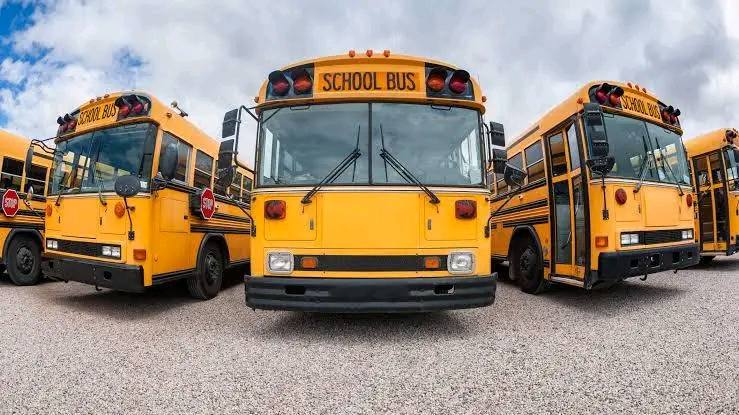
The political leader of the Movement for Progressive Change (MPC), Mr. Simeon Freeman, has acquired more than twenty American-made school buses as part of an initiative aimed at improving transportation services throughout Liberia.
The procurement is intended to help alleviate persistent transportation difficulties faced by many Liberians, particularly in underserved communities where access to safe and reliable transit remains limited. The move has been presented as a practical intervention designed to address everyday mobility challenges affecting workers, students, and the general public.
Speaking on the initiative, Mr. Freeman—who also serves as the proprietor of DSTV Liberia—said the project reflects his belief in action-driven leadership rather than unfulfilled political promises. He explained that the acquisition of the buses forms part of a broader effort by him and his team to directly support Liberians by easing some of the pressures they encounter in daily life.
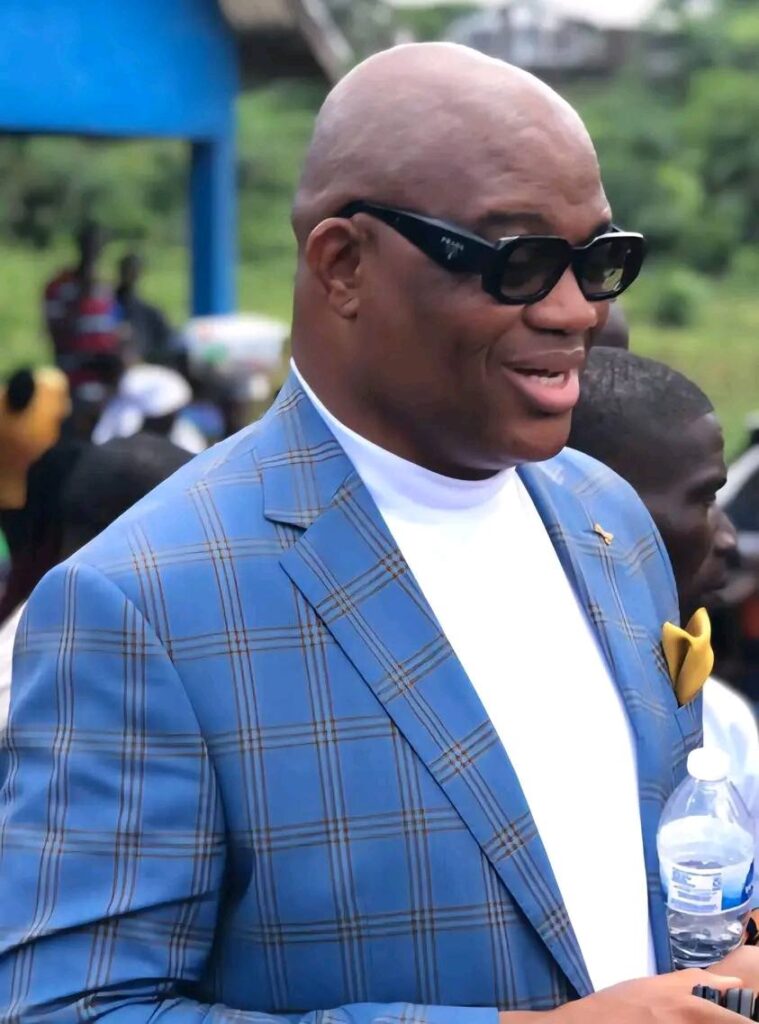
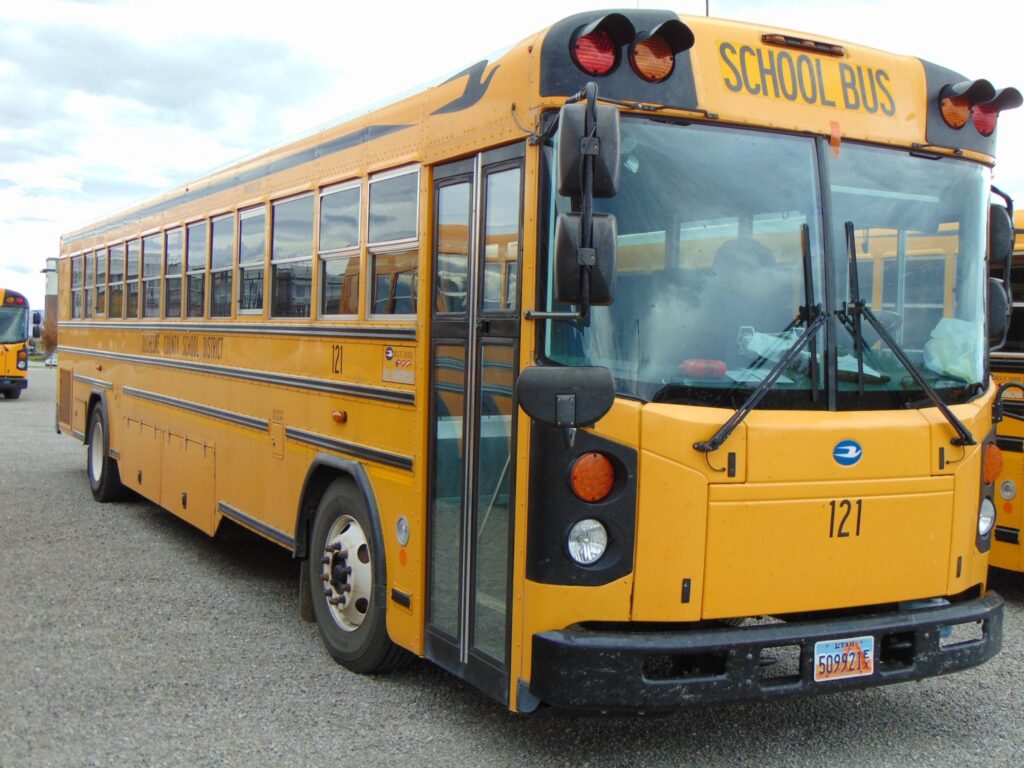
“These buses represent only a fraction of what we have begun and what we intend to continue doing for the Liberian people,” Freeman said. He stressed that his leadership philosophy prioritizes concrete solutions that deliver visible and immediate benefits to citizens.
The MPC leader also reaffirmed his commitment to remaining actively engaged in national welfare issues, using the occasion to criticize the Unity Party (UP)–led government, which he accused of falling short in responding to the needs of ordinary Liberians. Freeman assured the public that under his leadership, the concerns of citizens would not be ignored.
The arrival of the buses has generated public debate about the role of political actors in addressing social and economic challenges outside formal government frameworks. While supporters describe the move as a meaningful contribution to national development, others interpret it within the context of Liberia’s evolving political landscape ahead of future elections.
As the country continues to face significant transportation and infrastructure constraints, initiatives such as this have intensified discussion around alternative approaches to improving mobility and supporting citizens across Liberia.


