


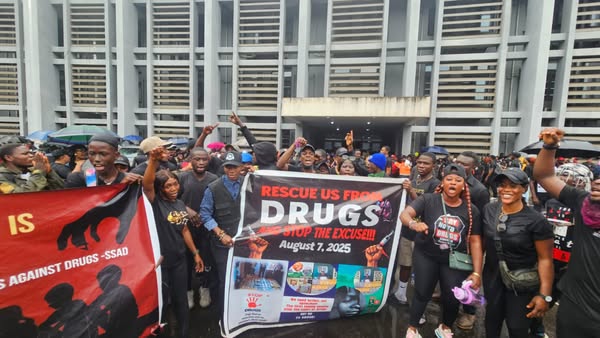
Liberia’s battle against drugs is a fight for national survival, not a stage for political point-scoring. Politicizing this struggle will weaken enforcement, erode public trust, and prolong the suffering of ordinary citizens.
In July, tragedy struck when a stampede in Congo Town claimed 29 lives during a religious gathering. Amid the panic, drug-dependent criminals—commonly known as “zogos”—took advantage, robbing fleeing worshippers. Then-President George Manneh Weah responded with a three-day mourning period, hospital visits, and calls for stricter safety measures. But the underlying drug crisis persisted.
On January 29, 2024, in his first State of the Nation Address, President Joseph Boakai declared drug and substance abuse—especially “kush”—a public health emergency. A multi-sectoral committee was formed, but progress has been slow. While the President recently announced new measures, these efforts must be genuine, not politically driven.
Wednesday’s mass protest should serve as a wake-up call: the Liberia Drug Enforcement Agency (LDEA) needs urgent resourcing—more officers, proper training, paid volunteer agents, and full understanding of the nation’s drug laws.
Reports that some officials profit from the drug trade are deeply disturbing. If true, they betray public trust, mock the grief of bereaved families, and embolden traffickers.
Liberia cannot afford to let the drug crisis become another casualty of politics. The focus must be on saving lives, restoring communities, and safeguarding the nation’s future. Anything less is an injustice to the victims and a dangerous gamble with the country’s destiny.


