


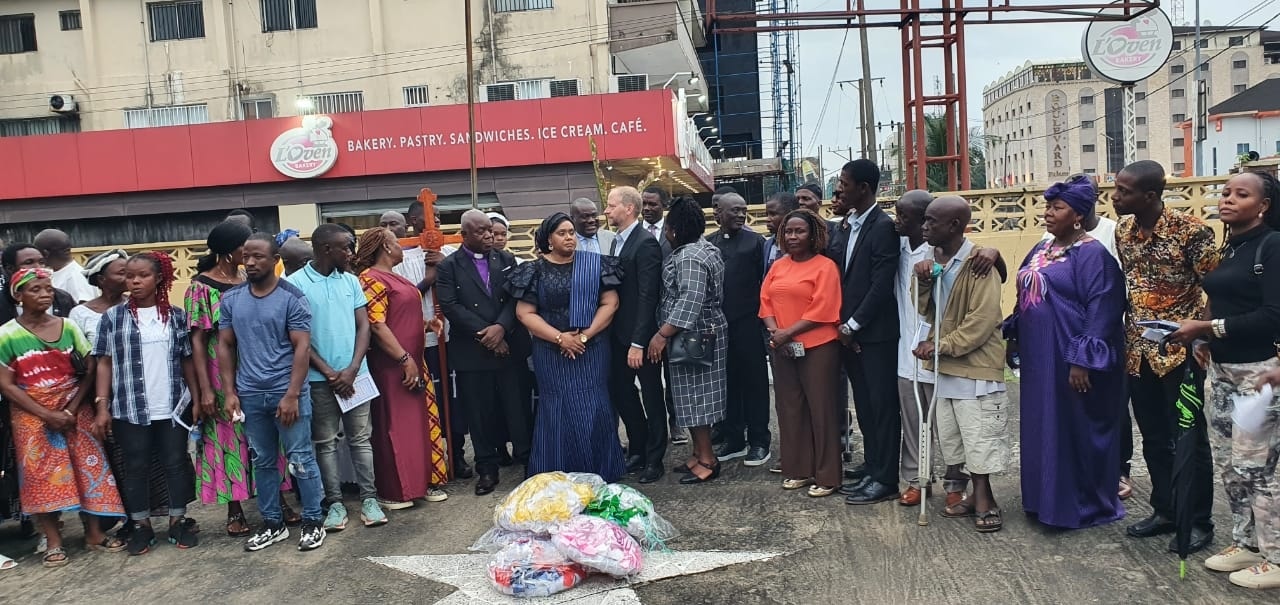
Monrovia, Liberia – July 31, 2025 -Liberia on Tuesday observed the 35th anniversary of the St. Peter’s Lutheran Church Massacre, a tragedy that remains one of the darkest chapters in the nation’s history. The solemn memorial, held at the very site of the 1990 atrocity on 14th Street in Sinkor, was organized by the Lutheran Church Massacre Survivors Association (LUMASA) under the theme “We Survived to Change the Future.”
The massacre, which occurred at the height of Liberia’s civil conflict, claimed the lives of hundreds of civilians who had sought refuge inside the church. On July 29, 1990, armed men stormed the sanctuary, brutally killing men, women, and children in what has since been described as one of the most haunting war crimes committed during the conflict.
A Presidential Message of Remembrance and Resolve
Representing President Joseph Nyuma Boakai, Sr., the Minister of Education, Dr. Jarso Maley Jallah, delivered the keynote address. She conveyed the President’s heartfelt condolences to survivors, families of the victims, and the Liberian people at large, stressing the importance of remembering the past to ensure a more peaceful and just future.
“It was a night of unimaginable horror—when innocent souls seeking refuge in the house of God were brutally taken,” Dr. Jallah said, quoting the President. “We honor their memory with sorrow and with firm resolve: never again.”
President Boakai’s message emphasized that truth, justice, and remembrance remain essential pillars of national healing. He reaffirmed his government’s commitment to transitional justice, peacebuilding, and civic education, describing them as necessary steps to foster a united and dignified Liberia.
Reconciliation Through Reflection
In her remarks, Dr. Jallah also referenced the ongoing ceremonial reburials of former Presidents William R. Tolbert and Samuel K. Doe, calling them powerful symbols of reconciliation and historical reflection. “This is not just a ceremony—it is a national responsibility to restore honor and embrace our collective past,” she noted.
The mention of the reburials served as a reminder of Liberia’s broader effort to confront painful aspects of its history while laying the foundation for national unity.
A Call to Faith and National Responsibility
President Boakai urged Liberians across the country—including faith leaders, educators, civil society actors, and ordinary citizens—to embrace peace, compassion, and mutual respect. He said that the memory of the victims should inspire collective action to build a just and inclusive society where violence is never again tolerated as a tool of political or social change.
“May the eternal light of God shine upon the souls of the fallen, and may Liberia be blessed with lasting peace, healing, and unity,” the President’s message concluded.
Survivors Reflect on a Painful Legacy
Survivors and family members who attended the service described the anniversary as both a painful reminder and an opportunity for reflection. Many called for greater national dialogue on the legacy of Liberia’s civil war and urged the government to continue supporting initiatives that promote healing and accountability.
Officials of LUMASA highlighted the importance of ensuring that future generations understand the gravity of the massacre. “We survived to change the future,” the association’s motto reads, underscoring the survivors’ determination to transform their pain into a force for peace.
The Broader Path Toward Transitional Justice
The anniversary comes at a time when Liberia is re-examining the implementation of recommendations from the Truth and Reconciliation Commission (TRC), including calls for war crimes accountability. While debates continue over the creation of a war and economic crimes court, the government has pledged to uphold the principles of justice and reconciliation as part of its national development agenda.
The commemoration of the Lutheran Church Massacre, analysts say, serves as a stark reminder of the urgent need to balance peace with accountability. For many Liberians, especially those who lived through the civil war, the pursuit of justice and truth remains deeply tied to the country’s path toward lasting stability.
A Nation’s Commitment to “Never Again”
As the memorial concluded, prayers were offered for the souls of the victims, with the congregation calling for God’s guidance over Liberia. The event closed with a renewed pledge by both government officials and survivors to ensure that the tragic events of July 29, 1990, never repeat themselves.
For President Boakai and his administration, the anniversary was not only a moment of mourning but also an opportunity to reaffirm Liberia’s determination to heal, reconcile, and move forward as one nation.


