


Public commentators, governance advocates, and civil society groups are raising alarm over prolonged delays in corruption trials involving former government officials, warning that the slow pace could undermine accountability and erode public confidence in Liberia’s justice system.
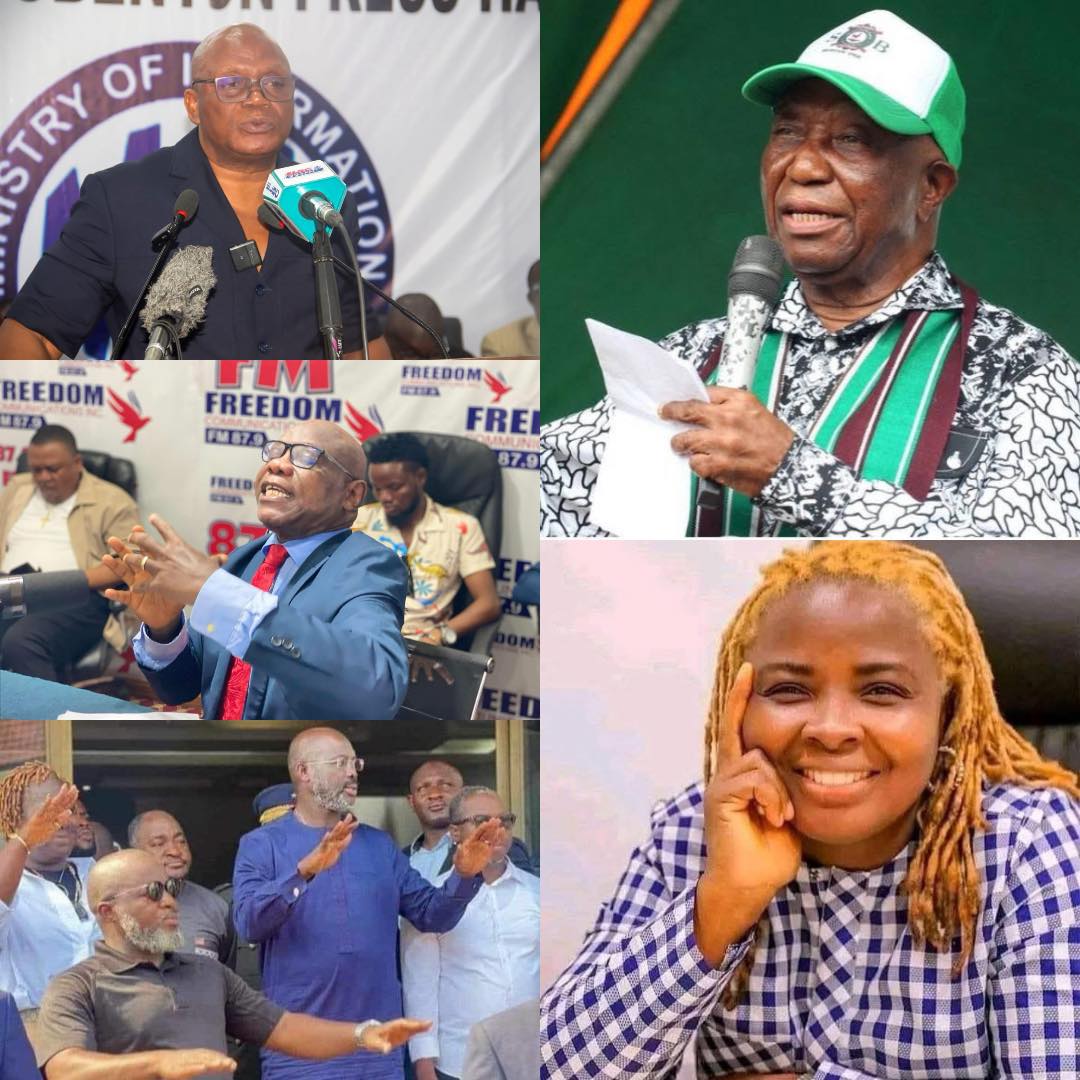
The concern came into sharp focus during a press briefing held earlier today by the head of the Asset Recovery Team, Edwin Kla Martin, organized by the Ministry of Information, Cultural Affairs, and Tourism (MICAT). The briefing provided updates on indictments and the status of several high-profile corruption cases.
In a statement, Cllr. Martin highlighted judicial delays affecting the prosecution of corruption cases, noting that January marks three months since a stay order was issued in November 2025 by Justice Jamesetta Howard Wolokolie, following a petition filed by a defendant in an ongoing case. While emphasizing respect for judicial independence, Martin expressed concern that the prolonged halt has stalled proceedings, urging that corruption cases be treated with urgency given their significance for public trust, fiscal accountability, and Liberia’s broader anti-corruption agenda.
Observers point to past instances that raise questions about systemic delays. The Supreme Court of Liberia, for example, took roughly nine months to rule on a petition filed by Gracious Ride challenging the presidential Executive Order that established the Asset Recovery framework. During that period, several asset recovery actions were effectively suspended, fueling suspicions that procedural bottlenecks may sometimes frustrate anti-corruption efforts.
Legal analysts caution that while stay orders and petitions are legitimate tools under due process, repeated or prolonged delays in public corruption cases risk creating the perception that powerful individuals are shielded from timely justice. In a country where corruption has long been a key obstacle to development, such perceptions can be as damaging as the offenses themselves.
The unfolding debate has sparked a pointed national question: who is responsible for stalling corruption cases? Is it the courts overwhelmed by procedural complexity, strategic legal maneuvering by defendants, or a deeper institutional reluctance to confront politically sensitive prosecutions?
As the Asset Recovery Team awaits further guidance from the judiciary, civil society groups and political observers are calling for greater transparency, faster rulings on stay orders, and the establishment of clear timelines for corruption trials. Many warn that without visible momentum, Liberia’s anti-corruption drive risks losing credibility both domestically and with international partners closely monitoring progress.
For now, the judiciary remains in the spotlight as the nation balances due process against the urgent demand for accountability in cases critical to Liberia’s governance and development.


