


Monrovia, Liberia – July 29, 2025 – Prominent Liberian lawyer and former public official, Cllr. Kanio Bai Gbala, has sparked renewed debate over Liberia’s citizenship laws, urging a fresh look at constitutional rules that prevent non-Negroes from becoming citizens.
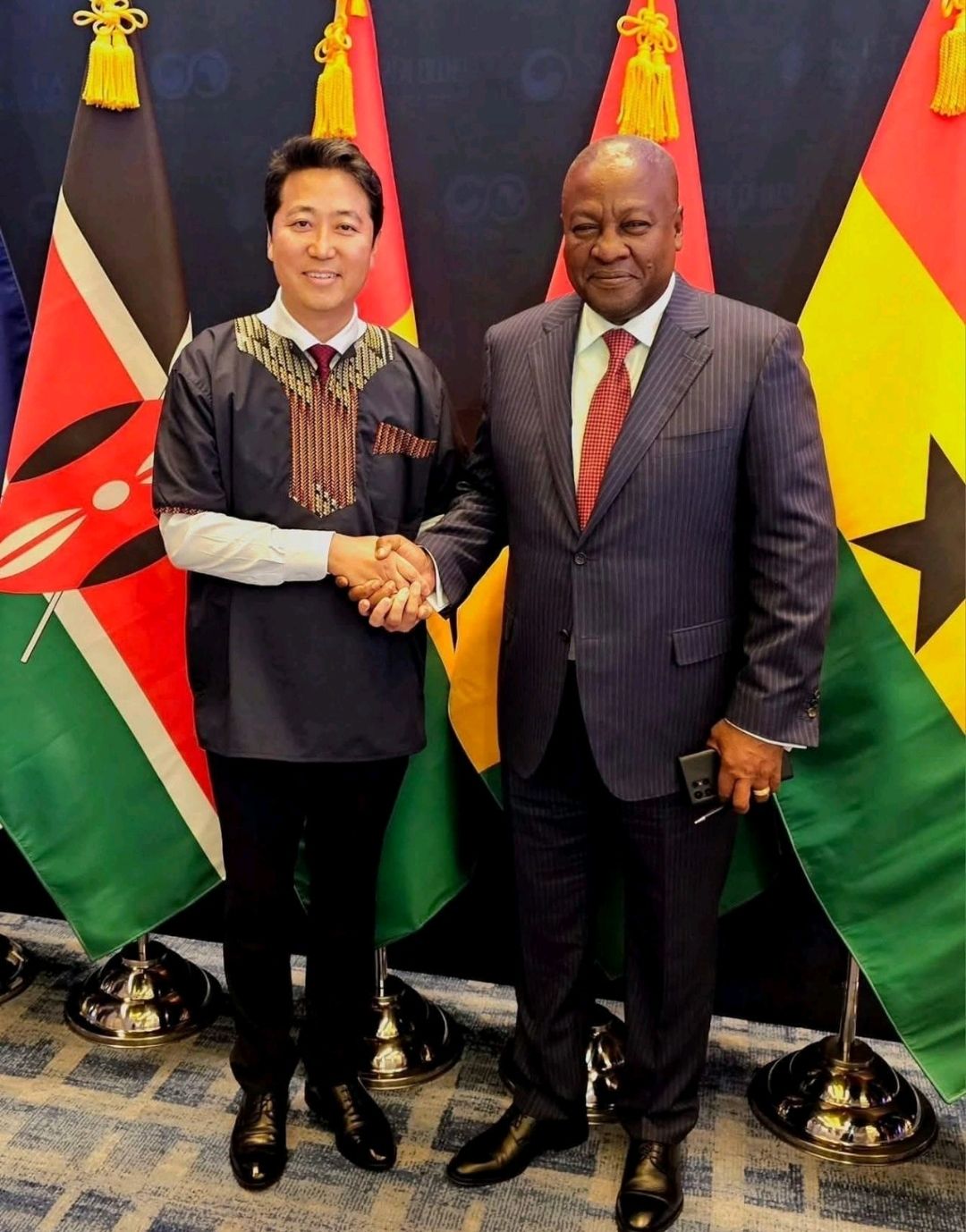
In a recent statement titled “Is It Time to Rethink Liberia’s Citizenship Laws to Embrace All Who Call It Home?” Gbala pointed to Ghana as an example, where a more inclusive national identity allows citizens from diverse backgrounds to hold important public roles. He mentioned Kojo Choi, a Ghanaian of South Korean descent, who was appointed Ghana’s Ambassador to South Korea by former President John Dramani Mahama. Gbala said Choi’s success shows Ghana’s commitment to citizenship based on shared values, loyalty, and contributions—not race.
Liberia, however, is very different. Article 27(b) of the 1986 Constitution restricts citizenship—by birth or naturalization—to “persons who are Negroes or of Negro descent.” Gbala highlighted that this rule excludes many people who were born in Liberia, speak local languages, are married to Liberians, and contribute to the country’s growth, simply because they are not of Negro descent.
“This racially exclusive clause, inherited from our history, no longer fits with modern democratic values or international human rights,” Gbala said. He pointed out that international agreements and the United Nations have long called for ending racial and ethnic discrimination in citizenship laws, recognizing citizenship as a basic human right.
Gbala also noted the economic impact of this restriction. Liberia has thriving communities of Lebanese, Indian, Syrian, and Turkish descent, many of whom have lived here for generations. These groups run businesses, create jobs, and boost the local economy. Yet, they are still considered outsiders by law.
“Our country keeps denying full civic inclusion to people and families who have made Liberia their home and contributed so much to our economy,” Gbala said. “By refusing them citizenship, we risk limiting economic growth, innovation, and long-term investment.”
Gbala called for a national conversation on reforms that would offer conditional paths to citizenship for long-term residents. These could include requirements like language skills, community involvement, and ongoing economic contribution, while ensuring loyalty to Liberia’s constitution.
He believes a more inclusive citizenship approach would improve Liberia’s international reputation and support its Pan-African goal of unity. “The choice is clear,” Gbala said. “We can hold on to outdated rules that divide and exclude, or we can choose a fairer, more forward-thinking path that embraces all who truly call Liberia home.”
He stressed that now is the time for change, saying Liberia’s future success and democratic growth depend on citizenship laws that are fair, inclusive, and in line with global human rights.
As discussions about citizenship and identity heat up, Gbala’s views are expected to shape upcoming talks among lawmakers, civil groups, and the public. Supporters believe changing this constitutional rule could be one of Liberia’s biggest reforms in recent history, reshaping its national identity and economy.


