


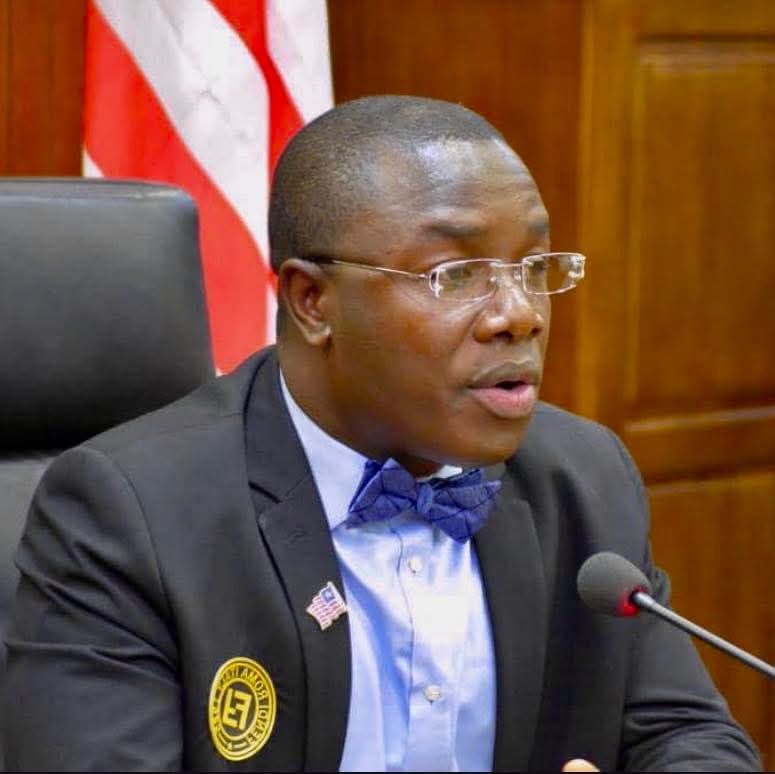
By Jefferson T. Koijee, CDC Secretary General
President Joseph Nyumah Boakai has once again shown the contradictions in his leadership. While he presents himself as a leader focused on reconciliation and healing, his actions reveal a troubling pattern of tribal favoritism, human rights abuses, and poor governance. Rather than being the “rescue father” many hoped for, Boakai has prioritized tribe over competence, ignoring the daily struggles of ordinary Liberians to strengthen his own power base.
Liberians continue to face high unemployment, failing infrastructure, and growing poverty. Children in cities search for food, and young people see fewer job opportunities. Instead of addressing these issues, Boakai has responded with what many see as oppressive measures—silencing those who speak out and leading a government that punishes citizens simply asking for accountability.
Human Rights Abuses and Rising Insecurity
Boakai’s administration has become known for suppressing critical voices. Police crackdowns on peaceful protesters and activists go against the democratic values Boakai once claimed to support. Even more worrying are unresolved cases of violence and mysterious deaths involving citizens and government officials, raising doubts about the president’s commitment to justice.
Several high-profile deaths remain suspicious. From the killing of immigration officer Maude Elliott to the unexplained death of Sergeant Bobby Manndeh, Liberia has seen a troubling number of fatalities among security personnel. The government’s failure to properly investigate these cases casts doubt on Boakai’s credibility and fuels fears of attempts to silence opposition.
Tribalism Over National Interest
One of the most serious criticisms of Boakai’s leadership is his tribal favoritism. Critics say he has packed key government positions with people from his native Lofa County and nearby Sierra Leone. This includes appointments across the Ministry of Finance, Central Bank, Armed Forces, Liberia Revenue Authority, and other agencies—suggesting he is building a tribal power base rather than a government representing all Liberians.
Such actions damage national unity and weaken democracy by excluding qualified people from other regions and backgrounds. At a time when Liberia needs inclusive leadership to heal political and tribal divisions, Boakai’s approach seems to deepen those divides.
Corruption and Broken Promises
Boakai ran in 2023 promising accountability and reform. Yet his government has failed to fight corruption or hold those who misuse public funds accountable. Agencies meant to combat corruption have instead protected the politically connected, leaving ordinary Liberians to suffer from mismanagement and theft.
Liberia’s drug problem worsens, poverty deepens, and the government remains largely silent. Public services are weak, infrastructure is poor, and many communities still lack basic needs. Instead of focusing on the country’s challenges, Boakai has hosted lavish personal events, including a wedding anniversary costing taxpayers over $250,000. He was even seen wearing luxury watches worth more than $190,000 combined—an image far removed from the struggles of everyday Liberians.
The “Day of Fasting and Prayer”: Symbolism Without Action
Boakai’s recent national day of fasting and prayer was meant as a call for unity. But many Liberians saw it as an empty political gesture. With families struggling to eat, communities lacking clean water and electricity, and corruption unchecked, such actions seem more like distractions than real solutions.
True healing requires justice, transparency, and real change—not just ceremonies and photo ops. For victims of corruption, unemployed youth, market women struggling to survive, and families mourning suspicious deaths, Boakai’s fast-and-prayer event offered no comfort or answers.
The Drug Crisis: A National Emergency Ignored
Another urgent issue under Boakai’s watch is the growing drug abuse crisis. Communities across Liberia are suffering from the effects of narcotics that destroy lives and futures. Ironically, the Unity Party, which once accused the CDC government of enabling drug problems, now faces accusations of neglect and hypocrisy.
Despite being in power for over a decade, the Unity Party failed to create effective systems for drug prevention, treatment, or enforcement. Instead, political favoritism and corruption took priority over protecting Liberia’s youth. Today, the drug epidemic continues to ravage the country, highlighting the UP’s failure to care for its people.
A Call for Accountability and Change
Liberians deserve better than tribal politics, empty gestures, and broken promises. They need a leader who puts the nation first, builds strong institutions, and creates opportunities for all citizens. So far, President Boakai’s record shows nepotism, corruption, and disregard for justice.
As the Coalition for Democratic Change, we are committed to exposing these failures and working toward a Liberia that is fair, inclusive, and prosperous. Our people must demand accountability, reject hollow rituals, and stand against the hypocrisy defining Boakai’s presidency.
Liberia’s future cannot be built on pretense and tribal favoritism. It must be based on truth, justice, and unity. The time to act is now.


