


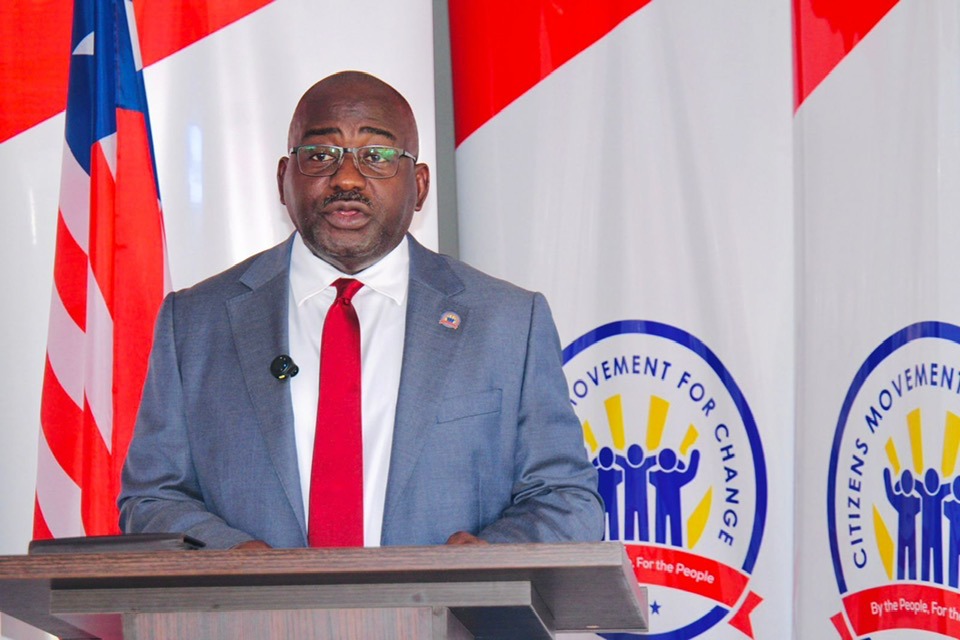
Monrovia, Liberia — January 13, 2026 — Nimba County District 7 Representative Hon. Musa Hassan Bility has formally declared his refusal to support the ratification of ArcelorMittal Liberia’s (AML) proposed Mineral Development Agreement (MDA) Amendment No. 3, arguing that the instrument, as drafted, falls short of the Legislature’s obligation to defend Liberia’s long-term national interest.
Bility underscored that his position should not be misconstrued as hostility toward foreign investment or extractive industries. He acknowledged the country’s need for capital inflows, modern mining operations, improved rail and port infrastructure, and employment opportunities. However, he maintained that such investments must be governed by law, transparency, and enforceable standards that guarantee measurable public benefit. In his assessment, the proposed amendment does not meet the threshold required to protect state revenues, uphold existing laws, or ensure accountability.
Central to Bility’s objections is the long-term nature of the agreement, which would extend AML’s concession until December 2050, with provisions for additional extensions. He warned that this effectively binds Liberia to a generational contract, eroding the state’s bargaining power and constraining future administrations from revisiting unfavorable terms.
He further criticized the fiscal provisions of the amendment, particularly the proposal to substitute statutory Class A mining license fees with a fixed annual payment of US$500,000 beginning in 2031. Bility argued that this arrangement undermines the country’s revenue framework, conflicts with established legal statutes, and sets a precedent that could weaken fiscal discipline across the concession sector.
The lawmaker also raised concerns about strategic infrastructure governance, cautioning that the rail and port facilities risk becoming de facto private bottlenecks rather than national economic enablers. He stressed that these assets should operate under robust regulatory oversight, with transparent tariff structures and guaranteed nondiscriminatory access to stimulate wider economic activity and attract additional investors.
On community development, Bility faulted the amendment’s Social Infrastructure Plan for lacking enforceable remedies. He characterized the approach as a voluntary or donation-based model that offers insufficient protection to affected communities and fails to compel meaningful delivery of promised benefits.
Beyond economic and social issues, Bility highlighted broader governance and accountability risks, noting that agreements of this scale must fully comply with constitutional mandates, lawful land tenure processes, and strict transparency standards. In his view, the proposed amendment does not adequately satisfy these fundamental requirements.
To realign the agreement with Liberia’s national priorities, Bility urged the Legislature to insist on minimum corrective measures prior to any ratification. These include placing rail and port infrastructure under a clearly regulated framework with effective government oversight; aligning all fees and rents with existing Liberian law by eliminating “in lieu of” provisions; strengthening performance obligations with enforceable penalties and government step-in rights; converting community development commitments into binding obligations supported by escrow funding and independent audits; and introducing periodic fiscal and public-interest review clauses to allow adjustments in response to economic conditions, inflation, and national development goals.
Bility concluded by reaffirming that Liberia’s natural resources are the collective property of its people and that the Legislature’s responsibility extends beyond approving agreements to ensuring that any ratified concession is lawful, transparent, enforceable, and demonstrably beneficial to the nation.


