


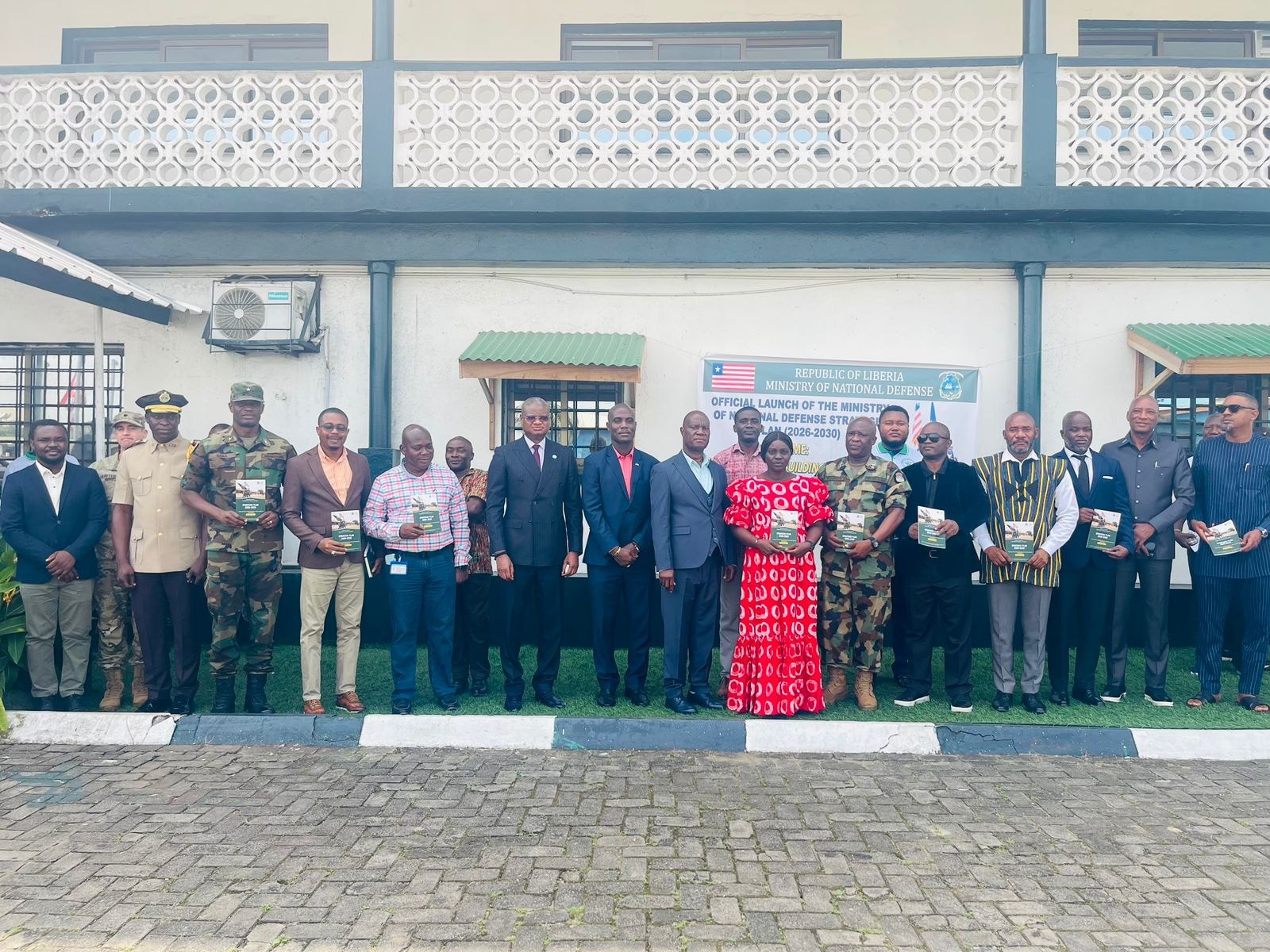
Monrovia, Liberia — The Government of Liberia has unveiled the Ministry of National Defense (MoD) Strategic Plan for 2026–2030, signaling a renewed policy commitment to peace, national security, institutional reform, and inclusive development. While officials describe the plan as a roadmap for a modern and accountable defense sector, its success will ultimately be measured by implementation, funding, and civilian oversight.
The official launch, held at the Ministry of National Defense Conference Room under the theme “Securing Peace, Building Resilience, Advancing Inclusive Development,” drew senior government officials, defense and security partners, members of the diplomatic community, and top leadership of the Armed Forces of Liberia (AFL). The gathering highlighted the shared responsibility of national and international stakeholders in sustaining Liberia’s hard-won peace.
Presenting an overview of the five-year strategy, the Assistant Minister for Plans, Policy, and Operations outlined its five core pillars: institutional governance, operational readiness, human capital development, civil–military relations, and strategic partnerships. According to the Ministry, the framework is aligned with Liberia’s national development priorities as well as regional and international security commitments, positioning the defense sector as both a stabilizing force and a development partner.
Launching the plan on behalf of President Joseph Nyuma Boakai, Commander-in-Chief of the Armed Forces, retired Major General Daniel Dee Ziankahn, Military Advisor to the President, praised the Ministry of National Defense and the AFL for their professionalism and discipline. He described the AFL as a cornerstone of national stability, but cautioned that the strategic plan will remain aspirational unless matched by strong inter-agency coordination and political will.
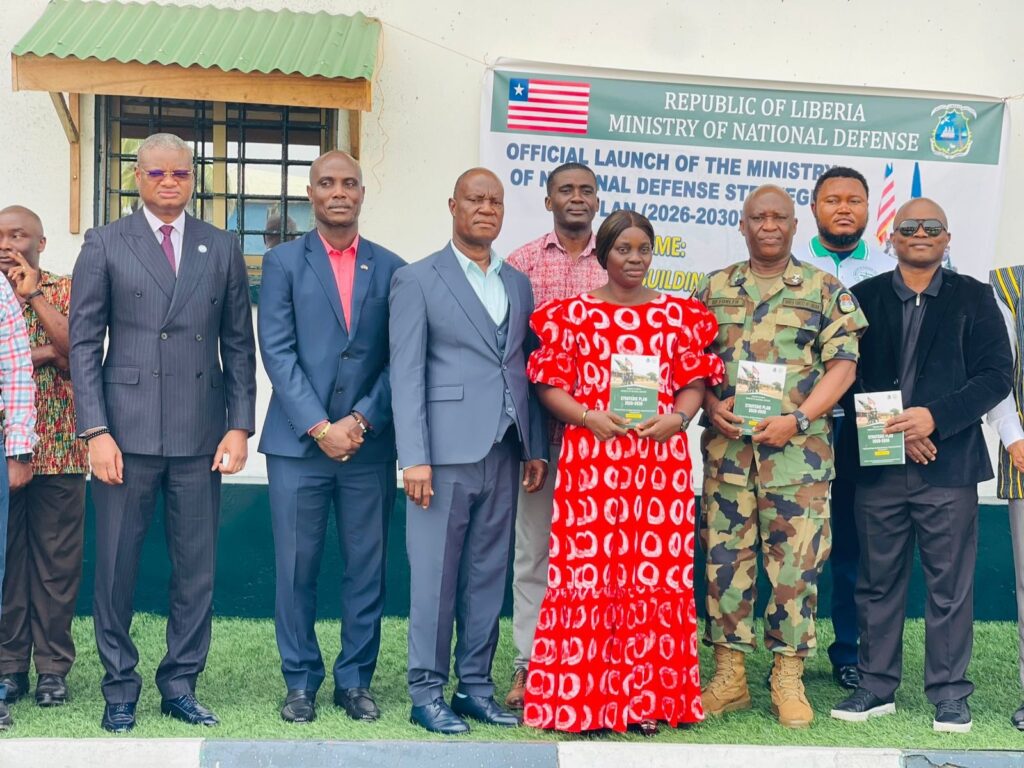
General Ziankahn also issued a direct appeal to the National Legislature, urging lawmakers to provide adequate funding and legislative backing to ensure the timely and effective execution of the strategy. Without such support, he warned, the objectives of peace, security, and national development could be undermined.
Defense Minister Geraldine J. George, in her keynote remarks, stressed that the 2026–2030 Strategic Plan is firmly grounded in Liberia’s broader peace and development agenda. She described the document as a deliberate move toward building a professional, accountable, and development-oriented defense sector consistent with the National Security Strategy and Liberia’s regional and global obligations.
Minister George explained that the plan prioritizes measurable outcomes, including enhanced defense readiness, improved disaster response capacity, stronger peacekeeping performance, better civil–military relations, and increased inclusion of women and youth within the security sector. She emphasized that national security must be understood in broad terms—extending beyond territorial defense to disaster resilience, humanitarian assistance, infrastructure support, and community engagement.

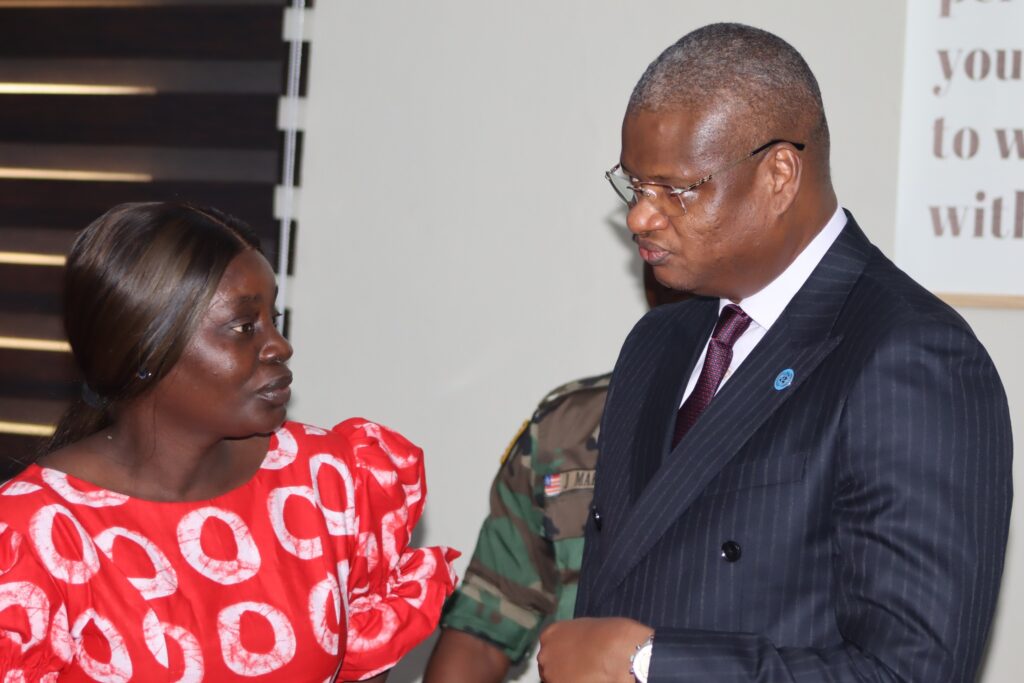
According to the Minister, the Armed Forces of Liberia are being repositioned as active contributors to national unity and socio-economic development, with roles envisioned in engineering, agriculture, health services, education, and legal support. She reaffirmed the Ministry’s commitment to transparency, legislative oversight, and collaboration with development partners, describing these as essential safeguards for public trust.
International partners, including the United Nations Development Programme (UNDP), the African Union/ECOWAS, and the United States Embassy in Liberia, welcomed the strategic plan and praised the consultative approach used in its development. They reaffirmed their continued support for Liberia’s ongoing defense and security sector reforms.
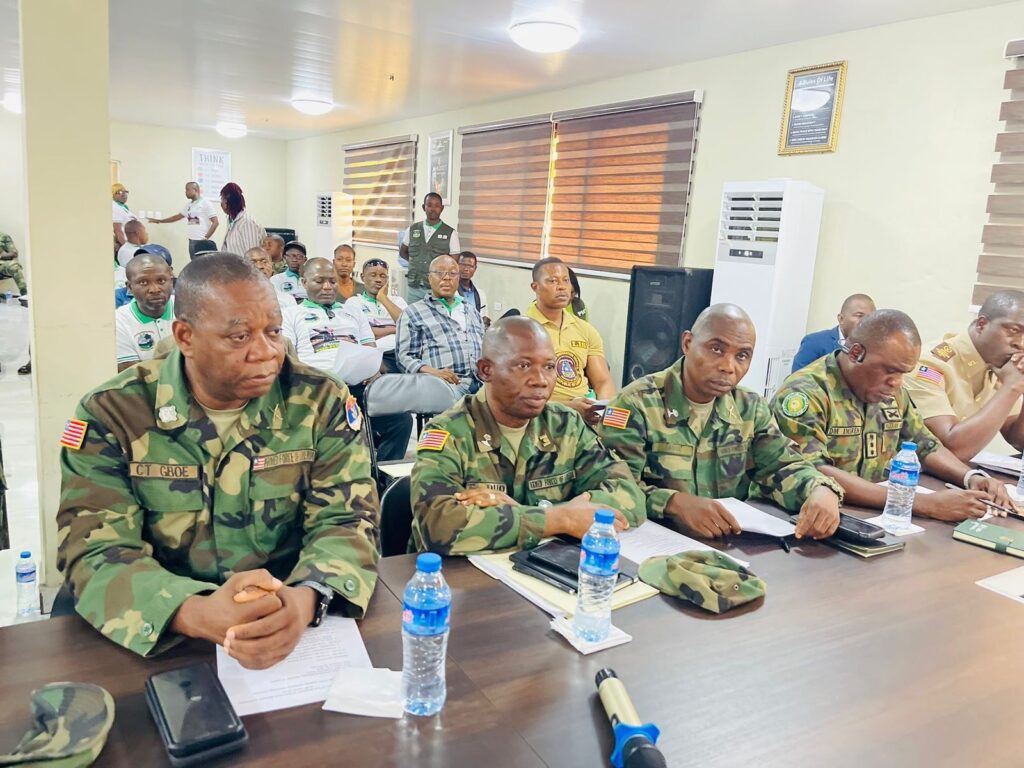
Analysts note that while the Strategic Plan presents a comprehensive and forward-looking vision, it also raises critical questions about sustainability, resource allocation, and accountability. Liberia’s past experience shows that well-crafted policies often falter at the implementation stage, particularly when funding gaps and weak oversight persist.
As such, the Ministry of National Defense Strategic Plan (2026–2030) now stands as both a policy instrument and a test of governance. Its promise—to secure peace, build national resilience, and advance inclusive development—will depend not on rhetoric, but on disciplined execution and sustained political commitment in the years ahead.


