


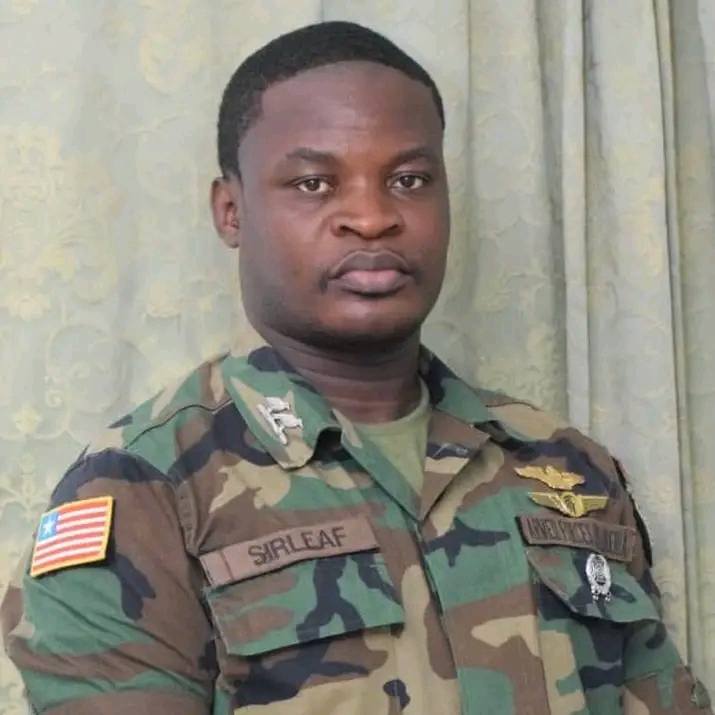
A Liberian national based in the United States, Varney Adolphus Sirleaf, has come forward with a troubling account of alleged betrayal after discovering that two children he raised and supported for more than a decade are not biologically his.
Sirleaf claims he was led to believe for 11 years that the children were his own, committing himself fully as a father—emotionally, financially, and socially—until a DNA test reportedly proved otherwise. According to him, the revelation emerged during an immigration process when he applied to bring the children to the United States. As part of routine documentation requirements, DNA testing was conducted, producing results that contradicted his long-held belief and, in his words, exposed a calculated deception.
He estimates that he has spent more than US$70,000 on the children over the years, excluding additional support provided after relocating to the United States and funds sent before modern money transfer platforms, such as Sendwave, became available. Sirleaf insists that all contributions were made in good faith, based on trust and the understanding that he was supporting his biological children.
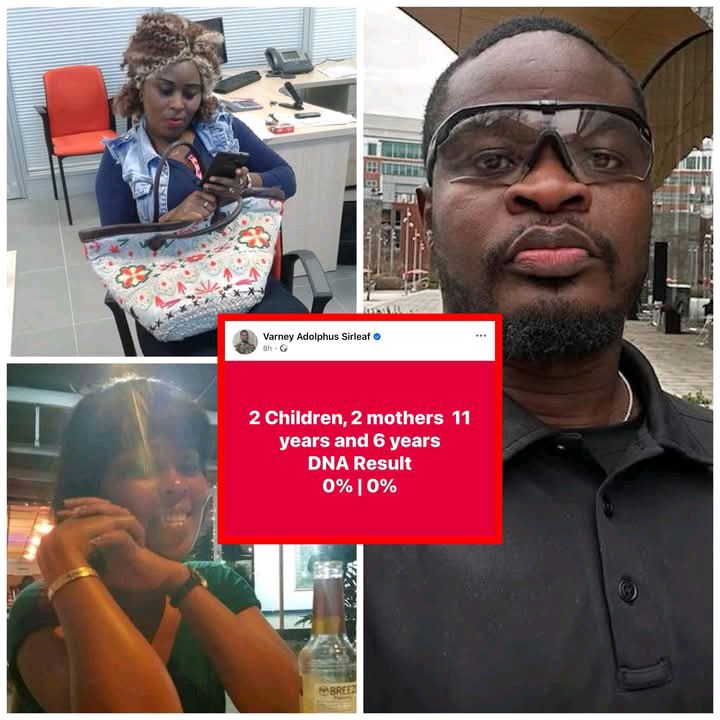
The case has ignited widespread debate among Liberians both at home and in the diaspora, reopening conversations around paternity fraud, trust in intimate relationships, and the legal vulnerabilities faced by men in family-related matters. Many observers argue that such situations expose serious gaps in legal protections, particularly in cases involving child support obligations, migration processes, and family law.
As the story continues to circulate on social media, calls are intensifying for greater public awareness about paternity verification, clearer legal remedies for alleged victims of deception, and accountability mechanisms where fraud is established. At the same time, commentators caution that the emotional and psychological impact on all parties—especially the children—must remain central to the discussion.
While no legal action has yet been confirmed, Sirleaf’s experience has added momentum to a growing national and diaspora-level conversation about responsibility, trust, and the need for stronger legal frameworks to address paternity disputes in an increasingly interconnected world.


