


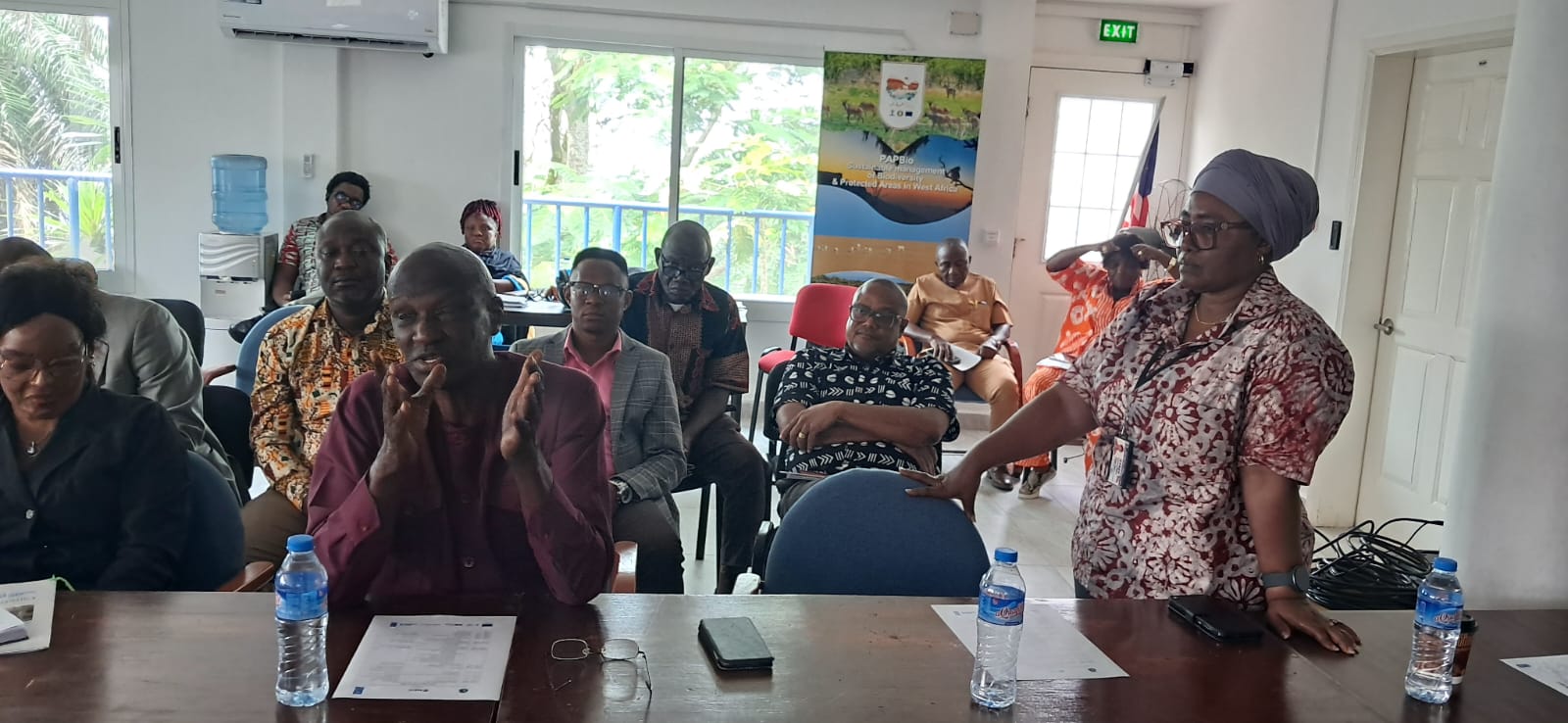
Monrovia, Liberia | February 5, 2026 — As part of renewed efforts to strengthen Liberia’s democratic framework, the National Elections Commission (NEC), alongside the National Legislature, the Law Reform Commission, and international partners, convened a high-level learning forum on Wednesday, February 4, 2026. The meeting focused on lessons gleaned from a recent electoral peer-learning visit to the Republic of Ghana.
The forum, held at the European Union Conference Hall in Mamba Point, brought together NEC Commissioners, senior secretariat officials, magistrates, members of the House of Representatives Committee on Elections and Inaugurations, and development partners. Participants reflected on best practices observed during the December 1–5, 2025 study mission, which was hosted by Ghana’s Electoral Commission and facilitated by UNDP under the Liberia Electoral Support Project (LESP), with backing from the EU, Irish Aid, and Sweden.
Renewed Drive for Electoral Integrity
Opening the session, NEC Chairperson Madam Davidetta Browne Lansanah reaffirmed the Commission’s commitment to advancing credible, inclusive, and transparent elections in Liberia. She noted that while Liberia and Ghana operate within different political environments, Ghana’s electoral systems offer valuable insights that can be adapted locally.
She underscored the importance of decentralizing electoral administration, empowering regional and district offices, and strengthening institutional knowledge systems. Madam Lansanah also highlighted biometric voter verification as a potential innovation to further safeguard the integrity of Liberia’s elections.
Reflecting on Liberia’s Electoral Progress
NEC Commissioner Ernestine Anwar Morgan presented a comprehensive overview of the study visit, explaining that it forms part of a broader post-2023 elections institutional review. She detailed ongoing assessments covering voter education, gender inclusion, electoral communication, security coordination, dispute resolution mechanisms, and nationwide consultations on electoral law reforms.
The nine-member Liberian delegation engaged extensively with Ghanaian electoral authorities, lawmakers, judicial officials, political parties, civil society organizations, media houses, and technology experts, gaining insights into the full scope of Ghana’s electoral architecture.
Legislative Perspectives on Reform
From the National Legislature’s standpoint, the mission provided deeper understanding of how electoral reforms can enhance public confidence. Prof. T. Romeo Quioh, Chair of the House Committee on Elections and Inaugurations, described the visit as strategically significant.
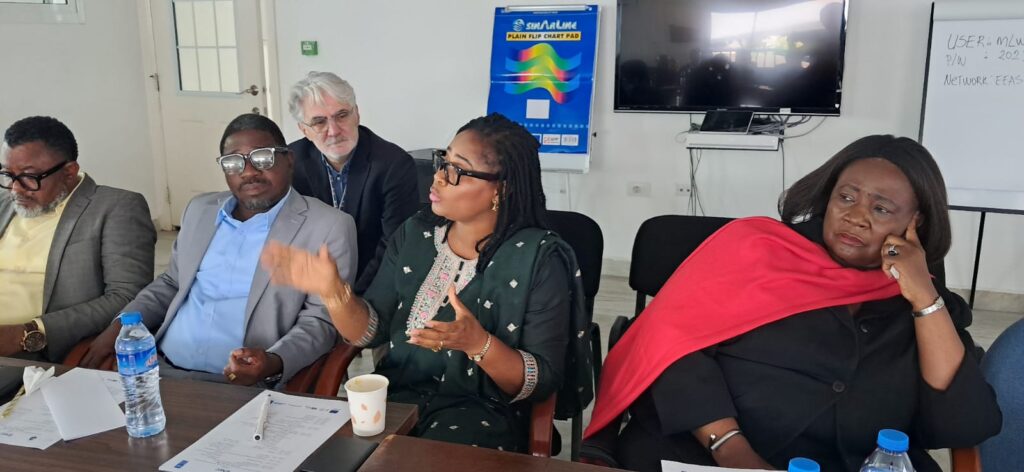
He pointed to lessons on institutional independence, sustainable financing, and the effective use of technology underpinned by strong legal frameworks and public awareness. Prof. Quioh highlighted Ghana’s Inter-Party Advisory Committee as a practical model Liberia could adapt to encourage dialogue, build consensus, and minimize electoral disputes. He also emphasized the need for improved logistics, transparent procurement systems, and continuous professional development for election personnel.
Development Partners Reaffirm Support
Speaking on behalf of development partners, Dr. Anna Brzozowska of the European Union Delegation commended the collaborative approach underpinning the mission, stressing that trust, consensus, and confidence in electoral systems are fundamental to democratic stability and national progress. She reaffirmed the EU’s continued support to Liberia’s electoral reform process through LESP.
UNDP’s Team Leader for Governance and Public Institutions, Mr. Stanley Kamara, situated the study visit within a broader South–South cooperation framework aimed at strengthening institutional capacity. He emphasized that the true value of the exchange lies in translating lessons learned into concrete, implementable reforms.
Mapping the Way Forward
Participants examined a broad range of insights from Ghana’s experience, including administrative decentralization, biometric technology, stakeholder engagement, legislative oversight, and post-election evaluation processes. Through interactive group discussions, they identified practical recommendations to advance Liberia’s electoral reform agenda and deepen collaboration among key stakeholders.
The Liberia Electoral Support Project continues to play a central role in promoting inclusive, transparent, and accountable elections. Managed by UNDP and implemented in partnership with UN Women, the Netherlands Institute for Multiparty Democracy, and NEC—with support from the EU, Ireland, and Sweden—LESP remains a key pillar in strengthening Liberia’s democratic institutions.


