


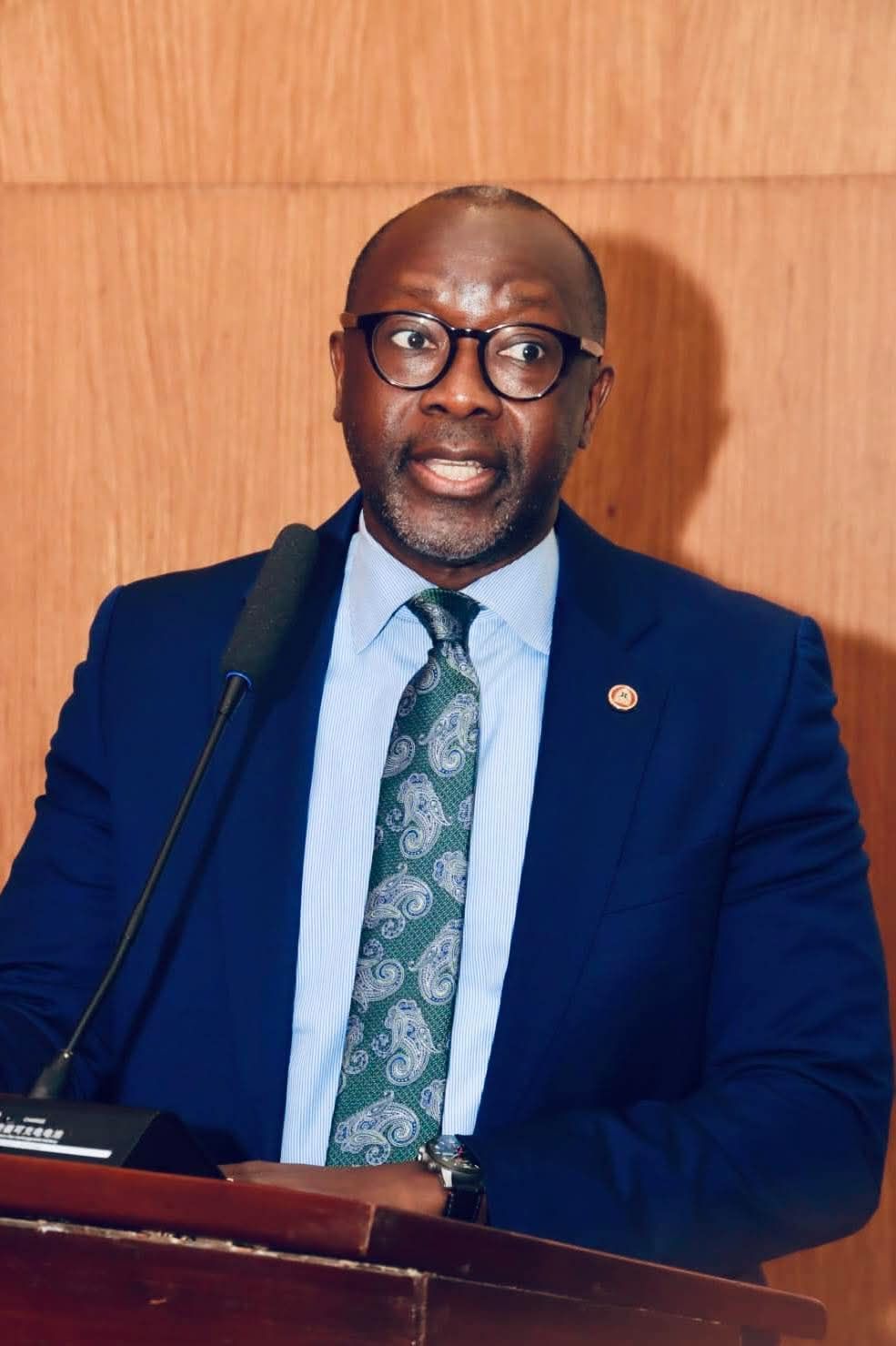
Monrovia, Liberia — The Office of Gbarpolu County Senator Amara Konneh has moved to counter public allegations regarding the alleged disbursement of Three Thousand Liberian Dollars (LD 3,000) to Neakei Town in Gouwonlala District, describing the claim as false and misleading.
In a detailed public clarification issued this week, the Senator’s office rejected assertions made by Mr. Charles Loryah, stressing that no funds were provided to any individual town as alleged. Instead, the office explained that its seasonal engagements with communities follow a structured, countywide approach rooted in cultural tradition and humanitarian support rather than ad hoc or politically motivated handouts.
According to the statement, during festive periods—particularly Christmas and the New Year—the Senator’s office customarily identifies with citizens across all six administrative districts of Gbarpolu County. For the 2025 Christmas season, the office approved Forty Thousand Liberian Dollars (LD 40,000) per clan as a goodwill gesture. District coordinators were tasked with personally delivering the funds to recognized clan elders, who then distributed the assistance among elders, women, and youth within their respective clans.
The office maintained that, based on internal reports, this process was followed accordingly and that beneficiaries expressed appreciation, particularly given the economic hardship facing many families during the holiday period. It further noted that recognized district leadership has already disowned the letter circulating online and distanced both the town and the clan from the allegation.
Beyond addressing the immediate claim, the Senator’s office used the occasion to contextualize what it described as the broader moral and social expectations placed on elected officials in Liberia. While acknowledging that the Constitution defines a Senator’s primary responsibilities as lawmaking, representation, and oversight, the statement argued that social realities often demand additional humanitarian engagement with constituents.
To support this position, the office disclosed detailed figures on welfare-related expenditures. Records indicate that between January and December 2024, approximately US$47,000 and LD 2,176,000 were spent on citizen welfare across Gbarpolu County. These interventions reportedly covered health care support, educational assistance, traditional and cultural activities, and direct household aid.
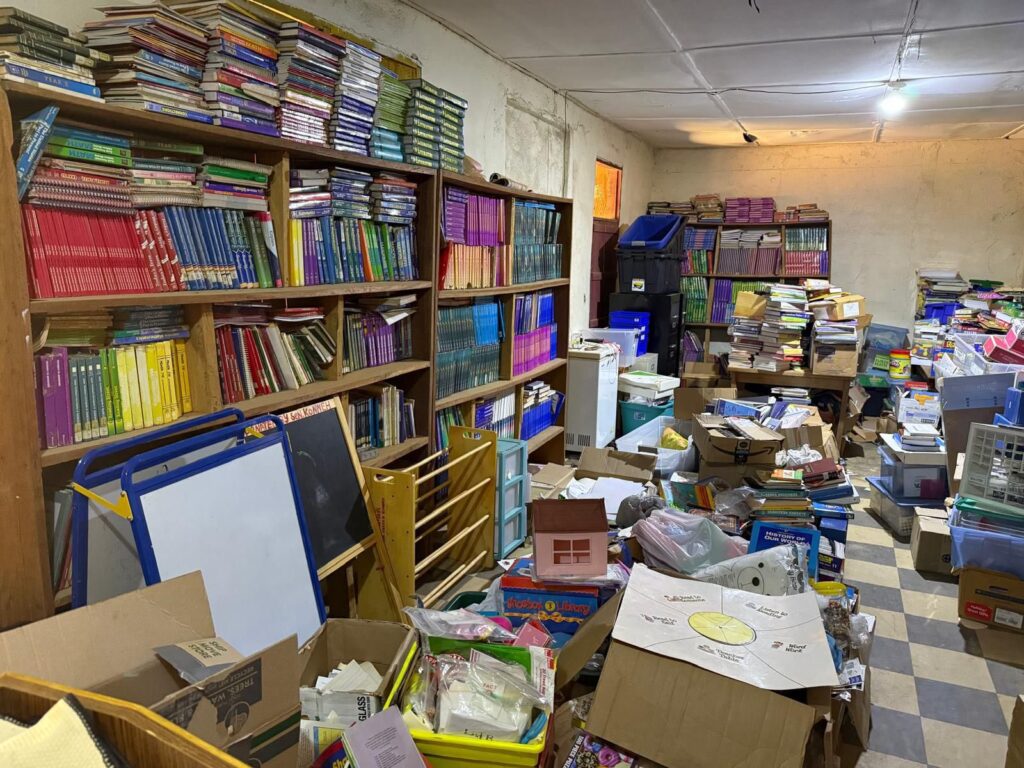
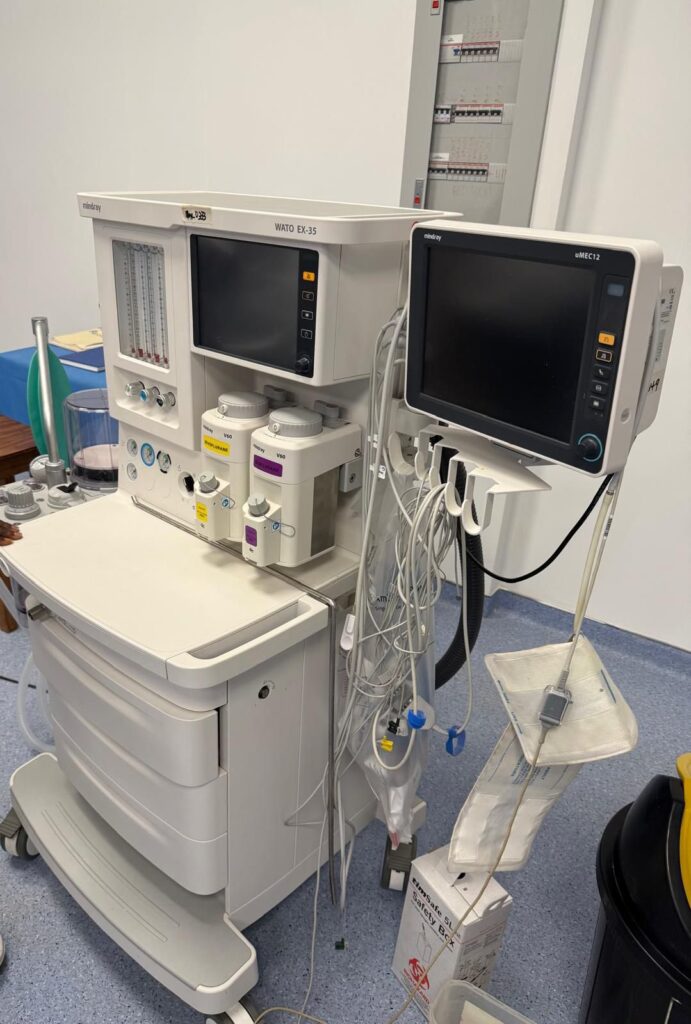
In 2025, similar support totaled US$37,496 and LD 1,355,000, bringing the two-year total of direct personal assistance to US$84,496 and LD 3,531,000. The office also highlighted an additional investment of approximately US$50,000 by Senator Konneh to mobilize school and health supplies valued at nearly US$1 million, which were distributed to clinics and schools across the county in early 2025.
The statement emphasized that these efforts were intentionally not branded as “development projects” nor tied to specific individuals or districts. Instead, they were framed as humanitarian interventions aimed at saving lives and keeping children in school, particularly in vulnerable communities.
At the same time, the office expressed concern over what it described as attempts to politicize welfare support. It cautioned young people in Gbarpolu County against allowing themselves to be used to advance claims that lack factual basis and run counter to the county’s traditions and values. The office encouraged citizens to seek clarification directly whenever questions arise.
Concluding the statement, the office reaffirmed Senator Amara Konneh’s commitment to the people of Gbarpolu County, describing his leadership approach as grounded in honesty, respect, and inclusivity. It also called for responsible public discourse and thanked traditional leaders, local authorities, and citizens for their cooperation in maintaining constructive engagement.
As debate continues over the role of personal assistance, constituency expectations, and political accountability, the clarification underscores a larger national tension: where the line should be drawn between welfare politics and sustainable development in Liberia’s governance culture.


