


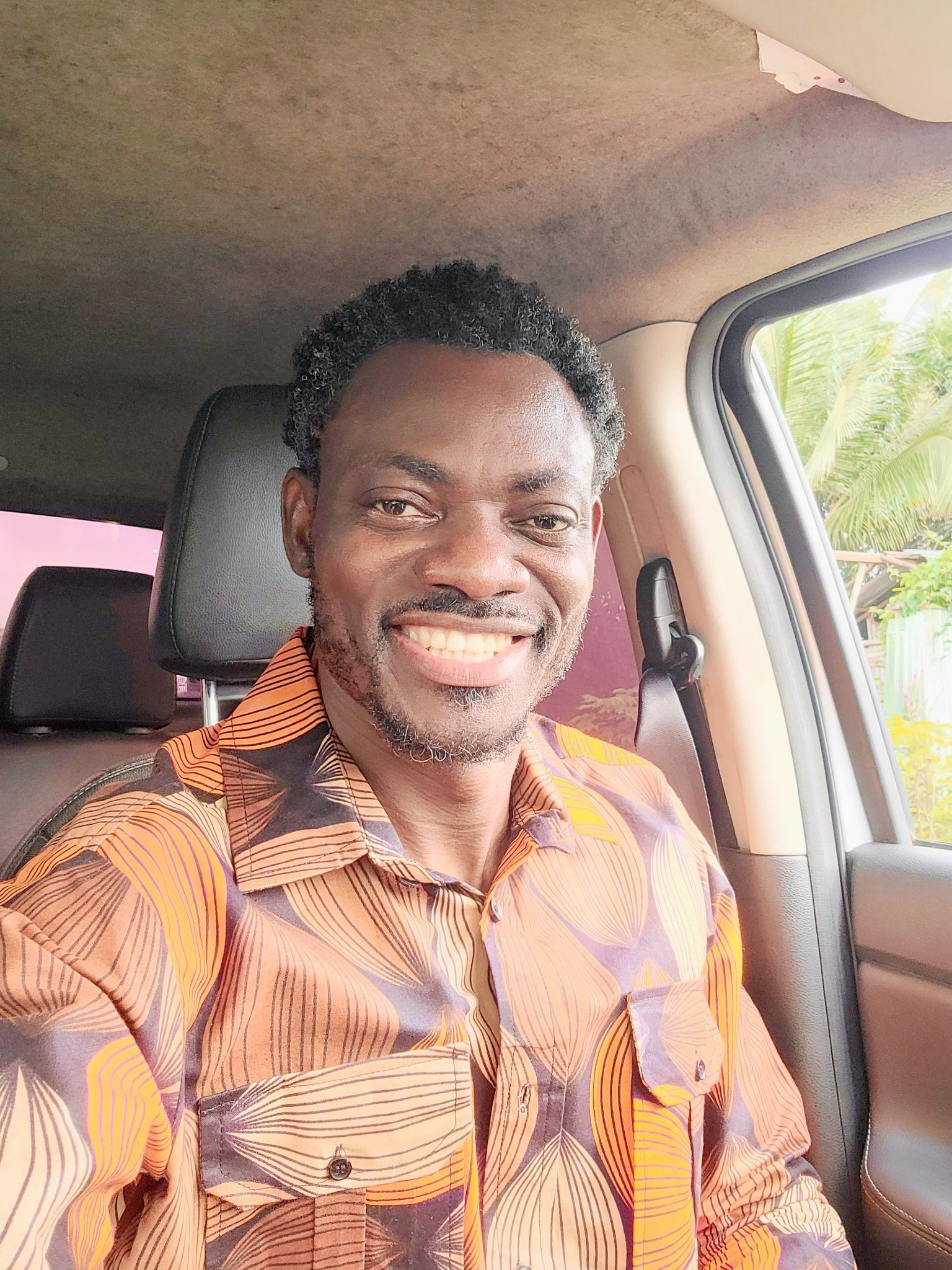
Monrovia, Liberia — A political storm is brewing ahead of the highly anticipated National County Sports Meet final between Nimba County and Grand Kru County, following sharp accusations leveled against Vice President Jeremiah Kpan Koung by Civicus Barsi-Giah, former Manager of the Buchanan Port and a known loyalist of former President George Manneh Weah.
In a strongly worded public commentary, Barsi-Giah questioned Vice President Koung’s leadership judgment and integrity, describing his recent decision to provide a reported US$5,000 to Grand Kru County on the eve of the county meet final as deeply troubling and politically inappropriate. According to Barsi-Giah, the timing and context of the gesture raise serious ethical and leadership concerns.
The county meet final, scheduled for January 18, 2026, at the Samuel Kanyon Doe Sports Complex, pits Nimba County against Grand Kru County in what is widely regarded as one of the most historic matchups in the tournament’s history. Beyond sports, the fixture carries deep emotional, cultural, and political significance, particularly given past controversies involving the two counties.
Barsi-Giah argued that Vice President Koung’s action constitutes what he described as “bribery and seduction,” asserting that offering money to Grand Kru County just one day before a decisive encounter with Koung’s home county undermines the spirit of fair competition. He further contended that such conduct reflects a serious leadership deficiency and called for impeachment, framing the act as criminal in nature.
The former port manager also revisited a controversial episode from the 2020 National County Sports Meet final, when Vice President Koung—then serving as a senator—was accused of influencing events on the same field. According to Barsi-Giah, when Grand Kru County scored against Nimba County during that final at the SKD Complex, Koung allegedly instructed the Nimba team to abandon the match, claiming that no county should be allowed to defeat Nimba. That incident remains a sensitive and unresolved grievance for many sports followers and residents of Grand Kru.
Barsi-Giah questioned why, five years after that incident and now holding the office of Vice President, Koung had never formally expressed remorse or reconciliation toward Grand Kru County. Against that backdrop, he argued, the sudden provision of funds on the eve of a critical final appears suspicious and poorly thought out.
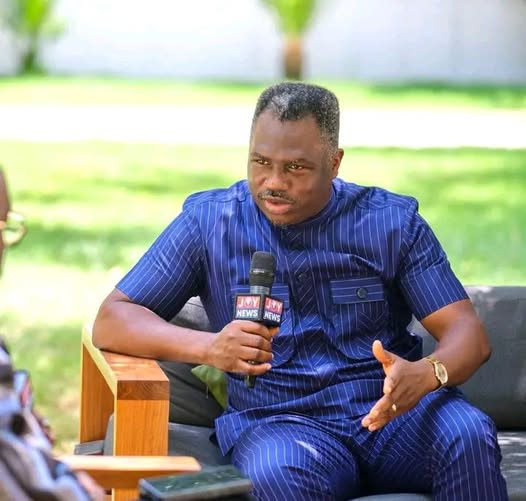
“How does a Vice President from Nimba County justify giving money to his county’s opponent on the day of such a major clash?” Barsi-Giah asked, suggesting that the move reflects either political miscalculation or an attempt to influence sentiment ahead of the match.
The commentary also highlighted the competitive history between the two counties. Nimba County is among the most successful participants in the National County Sports Meet, with six championship titles and four final losses. Grand Kru County, on the other hand, has a record of remarkable consistency, having reached the final five times and reportedly winning all five appearances—a statistic Barsi-Giah acknowledged could be subject to verification.
As public debate intensifies, the controversy has shifted attention away from football and toward questions of political ethics, leadership maturity, and the intersection of state authority with national sporting events. While supporters of Vice President Koung have yet to formally respond to the allegations, critics argue that the incident underscores the need for clearer boundaries between political office and popular national competitions.
With emotions already high ahead of the final whistle, the unfolding debate adds another layer of tension to a match that was already destined to be remembered. Whether the Vice President’s action will have political consequences remains to be seen, but for now, it has reignited longstanding grievances and placed leadership conduct under renewed national scrutiny.


