


Ugandan President Yoweri Museveni has been declared the winner of the country’s presidential election, securing yet another term in office in a contest that opposition leaders and international observers say was deeply flawed and marred by state interference.
According to Uganda’s Electoral Commission, Museveni won the poll with 58.64 percent of the vote, while his main challenger, opposition figure Robert Kyagulanyi—popularly known as Bobi Wine—received 34.83 percent. Voter turnout was notably low, with fewer than 10 million ballots cast out of approximately 18 million registered voters.
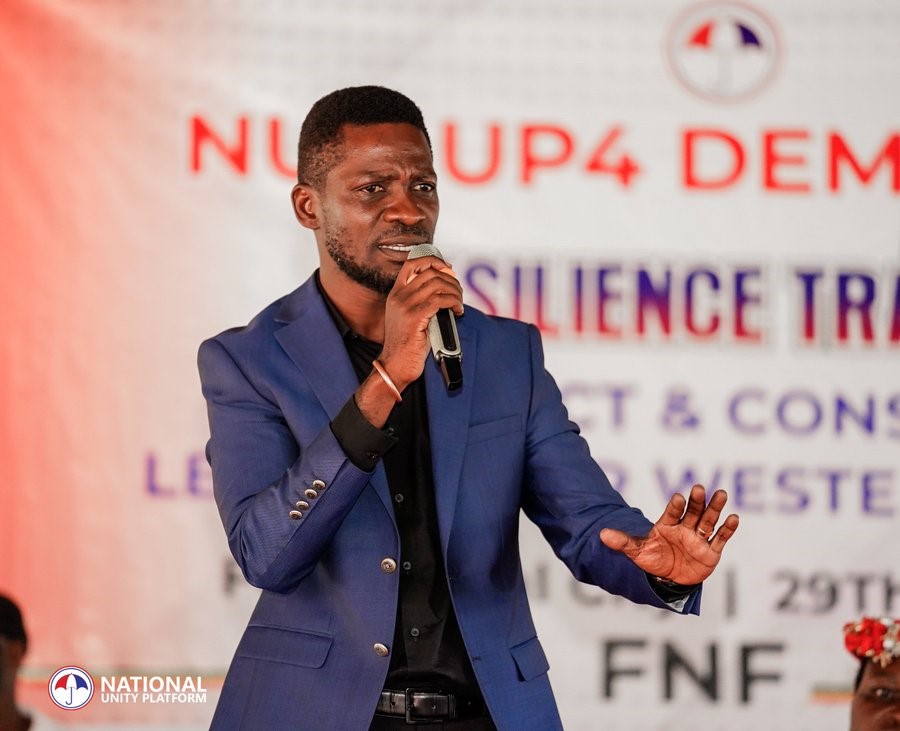
Bobi Wine, a musician-turned-politician who galvanized large segments of Uganda’s youthful population, immediately rejected the results, describing the election as rigged and illegitimate. Speaking shortly after the announcement, he insisted that the outcome announced by electoral authorities did not reflect the will of the people.
“We are the true winners of this election,” Wine said, calling on Ugandans to reject the official results. He added that his team was exploring all peaceful, legal, and nonviolent avenues to challenge the outcome, citing widespread fraud and intimidation. While he said evidence exists to support these claims, Wine noted that full details would be released once communication channels were restored.
The vote took place amid an unprecedented government-ordered internet shutdown, which blocked access to social media platforms and disrupted election-day communication nationwide. Wine said the blackout severely hampered his campaign and coordination efforts, leaving him unable to reach key members of his leadership team. He also disclosed that he had been placed under house arrest shortly after the polls closed.
The internet shutdown raised serious concerns about transparency and vote integrity. In several polling centers, biometric voting machines reportedly failed, forcing election officials to rely on manual procedures. There were also widespread reports of late delivery of voting materials and shortages at numerous polling locations across the country.
The political climate leading up to the election was already tense, following months of confrontations between security forces and opposition supporters. Dozens of people were killed during this period, including at least 45 protesters who died in November after Wine’s arrest for allegedly violating COVID-19 restrictions. Wine has repeatedly accused police and military forces of being the primary source of election-related violence.
“It is clear that the violence has not come from the Ugandan people, but from the police and the military,” he said, dismissing claims that his call to reject the results could incite unrest.
International scrutiny further intensified after election authorities restricted election monitoring. Bobi Wine complained that many of his polling agents were barred from observing the vote, despite legal provisions guaranteeing candidate representation at polling stations. The United States and the European Union were also denied broad accreditation to observe the elections.
U.S. Ambassador to Uganda Natalie E. Brown confirmed that American observers were unable to monitor the process after the electoral commission rejected the majority of accreditation requests. Similarly, the European Union declined to observe the vote after its offer was turned down. EU foreign policy chief Josep Borrell criticized the excessive use of force by security agencies, saying it had seriously undermined the credibility of the electoral process.
Despite these concerns, President Museveni, 76, defended the election, describing it as free and fair. In his victory address, he claimed it may have been Uganda’s “most cheating-free” election since independence in 1962. He dismissed allegations of fraud and said reported technical issues with voting machines had been addressed.
Museveni, who has ruled Uganda for more than three decades, had earlier stated that he would accept the outcome if he lost a fair election. However, many Ugandans remain skeptical, with growing public frustration over prolonged rule, shrinking democratic space, and economic hardship.
“I have supported Museveni my whole life, but what has been happening has made him unpopular,” said Susan Rukari, a Kampala resident. “It would be wiser for him to groom a successor. Holding onto power forever is dangerous.”
Another voter, Jocelyne Karare, said public fatigue was reflected in the low turnout. “It was unfair from the beginning. People are tired,” she remarked.
Following the announcement of results, Kampala remained largely subdued, with heavy security deployment, movement restrictions, and checkpoints across the city. While there were isolated celebrations, the prevailing mood was one of tension and uncertainty.
Meanwhile, Bobi Wine’s legal team insists that he remains under illegal house arrest, contradicting police claims that security forces are merely protecting his residence. Journalists attempting to access his home and the national tally center were reportedly blocked or expelled, despite holding accreditation.
Wine’s lawyer described the situation as unconstitutional and emblematic of a regime fearful of public dissent. He confirmed that formal legal challenges would be filed once all election results are officially released.
As Uganda enters another Museveni term, questions surrounding democratic governance, political accountability, and the future of opposition politics continue to dominate national and international discourse.
Source: CNN


