


Monrovia, Liberia — A senior delegation from the Millennium Challenge Corporation (MCC) has arrived in Liberia to commence formal technical engagement on the country’s second MCC compact, marking a critical transition from eligibility confirmation to full compact development under the U.S.–Liberia development partnership.
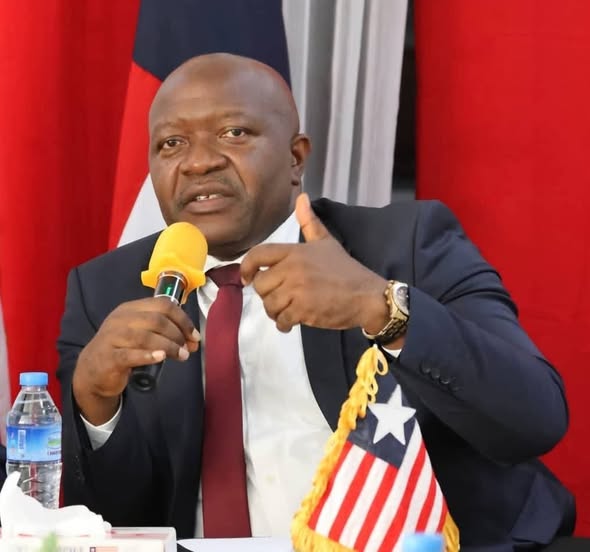
Finance and Development Planning Minister Augustine Kpehe Ngafuan welcomed the delegation and reflected on the sequence of technical missions and policy engagements that culminated in Liberia’s reaffirmation for a second compact at the MCC Board meeting in December 2025. He described the decision as a significant achievement for the country, noting that the process was demanding but ultimately successful.
According to Minister Ngafuan, preparatory engagements—including the growth diagnostic conducted in September and subsequent consultations in Washington, D.C.—were instrumental in strengthening Liberia’s case. He emphasized that reaffirmation represents the beginning of a more intensive phase rather than a conclusion, requiring sustained effort, inter-ministerial coordination, and strong institutional leadership.
He disclosed that the government is accelerating the recruitment process for a new MCC Liberia office to ensure that key leadership positions are filled ahead of a major technical workshop scheduled for February. The Minister reaffirmed Liberia’s commitment to close collaboration with MCC and development partners, while commending Deputy Minister Dehpue Zuo and senior officials for coordinating the eligibility and preparatory process. He also recognized the contributions of line ministries and other government stakeholders.
The MCC delegation is headed by Ms. Carrie Monahan, Managing Director for Africa, who underscored the highly competitive nature of MCC compact selection and noted that Liberia’s performance under its first compact played a decisive role in the Board’s reaffirmation decision.

Ms. Monahan stated that the delegation’s immediate focus includes stakeholder consultations and clarification of the compact development framework. She explained that MCC compacts are grounded in rigorous data analysis and inclusive consultations with government institutions, civil society, and the private sector to identify binding constraints to economic growth and design targeted, high-impact interventions.
She identified the upcoming “root cause analysis” workshop, scheduled for February, as a pivotal milestone that will deepen sector-level discussions and help define priority investment areas with the potential for transformative economic impact.
Also addressing the gathering, U.S. Embassy Chargé d’Affaires Joseph E. Zadrozny extended New Year greetings and emphasized the importance of sustaining the U.S.–Liberia partnership as both countries move into the next phase of cooperation.

The MCC delegation’s visit, which forms part of the early stages of compact development, highlights a shared commitment by Liberia and the United States to promote economic growth, job creation, and improved governance through evidence-based policy design and investment.


