


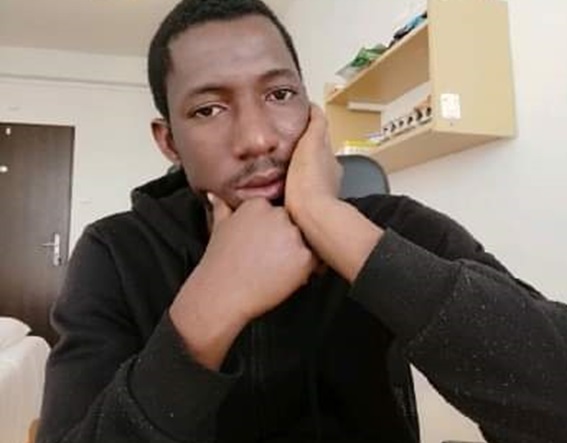
Former Deputy Director for Technical Services at the Liberia Institute of Statistics and Geo-Information Services (LISGIS), G. Alex M. William, has publicly welcomed a jury verdict that found his former colleagues guilty, describing the decision as a long-awaited affirmation of justice after nearly five years of legal proceedings.
In a strongly worded statement issued following the verdict, William said the outcome vindicates his long-held position that he was targeted and persecuted for refusing to participate in corrupt practices during his tenure at LISGIS.
According to William, his refusal to engage in wrongdoing subjected him to sustained humiliation, intimidation, and emotional trauma. He said the experience placed him in situations that nearly cost him his life, adding that his faith sustained him throughout the ordeal.
“Because I refused to join my former colleagues to steal, I endured pain and humiliation,” William said, noting that he remained steadfast despite the pressure. He credited his survival and the verdict to what he described as divine intervention, stating that justice, though delayed, had ultimately prevailed.
William said the jury’s decision represents more than a personal victory, describing it as a broader signal that accountability is still possible within Liberia’s justice system. He expressed gratitude for the outcome, saying it reinforces public confidence that wrongdoing can be punished, even after prolonged delays.
“After almost five years, they have now been found guilty by a jury,” he said, adding that the verdict demonstrates that justice can still be achieved.
Using the occasion to address a wider national audience, William called on Liberians to embrace integrity and patriotism, urging citizens and public officials alike to reject corruption and place the national interest above personal gain.
“Liberia is all we have,” he said. “We must stop stealing and do what is right for our country.”
William also referenced Wilmot F. Smith, alleging that Smith has so far evaded accountability by remaining outside Liberia. He claimed Smith continues to avoid arrest while living abroad and warned that justice would eventually reach him. “I am confident that his arrest is closer than he may think,” William asserted.
He concluded his statement by saying he would reserve further comments for another time, signing off with a personal declaration of resolve.
The verdict and William’s reaction have reignited public debate on corruption, whistleblower retaliation, and delays in the judicial process. Many observers view the outcome as a significant milestone in Liberia’s ongoing efforts to combat graft and impunity within public institutions.


