


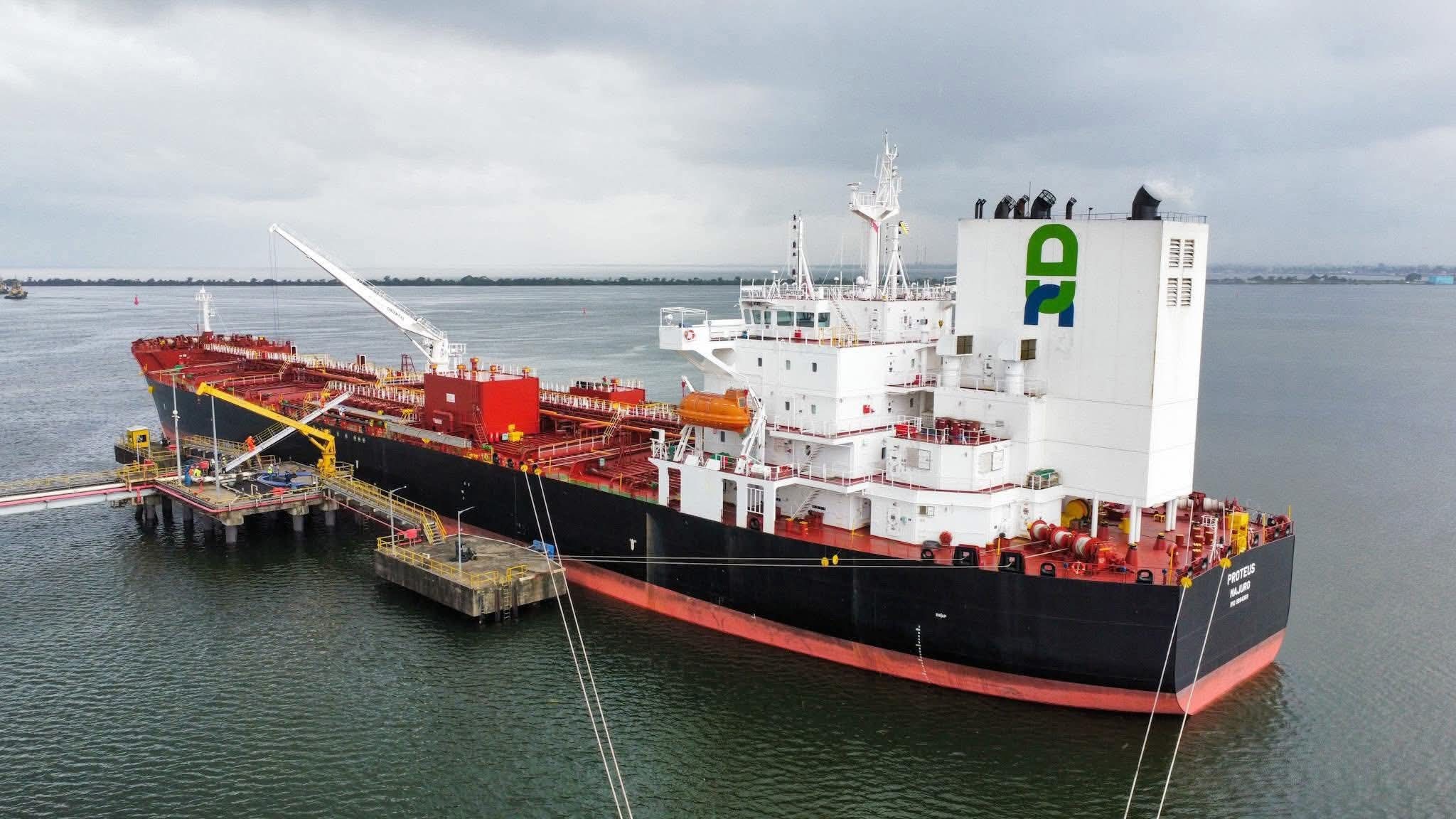
Monrovia, Liberia – July 29, 2025 Liberia has reached a historic milestone in its petroleum sector as President Joseph Nyuma Boakai officially launched the country’s first direct fuel importation in four decades. The initiative, aimed at ensuring consistent availability and stabilizing fuel prices, marks a major breakthrough in addressing one of the nation’s most persistent economic challenges.
At a ceremony in Monrovia, President Boakai welcomed the arrival of an initial shipment of 10,000 metric tons of gasoline — equivalent to approximately 3.5 million gallons — marking the start of a new era in fuel distribution. Another 7,000 metric tons (about 1.9 million gallons) of diesel is expected in the coming days to further strengthen the country’s reserves.
A New Chapter for Liberia’s Fuel Security
Speaking during the launch, President Boakai described the move as a “transformative step” to safeguard Liberia against recurring fuel shortages and volatile market prices.
“For the first time in 40 years, Liberia is taking control of its own petroleum supply,” he declared. “This initiative ensures that our people will no longer live in fear of fuel scarcity, and it will help to bring relief to drivers, businesses, and households across the country.”
Under the new system, the government will directly import and sell petroleum products to retailers, allowing it to better regulate prices and guarantee a steady supply nationwide.
Infrastructure to Support the Initiative
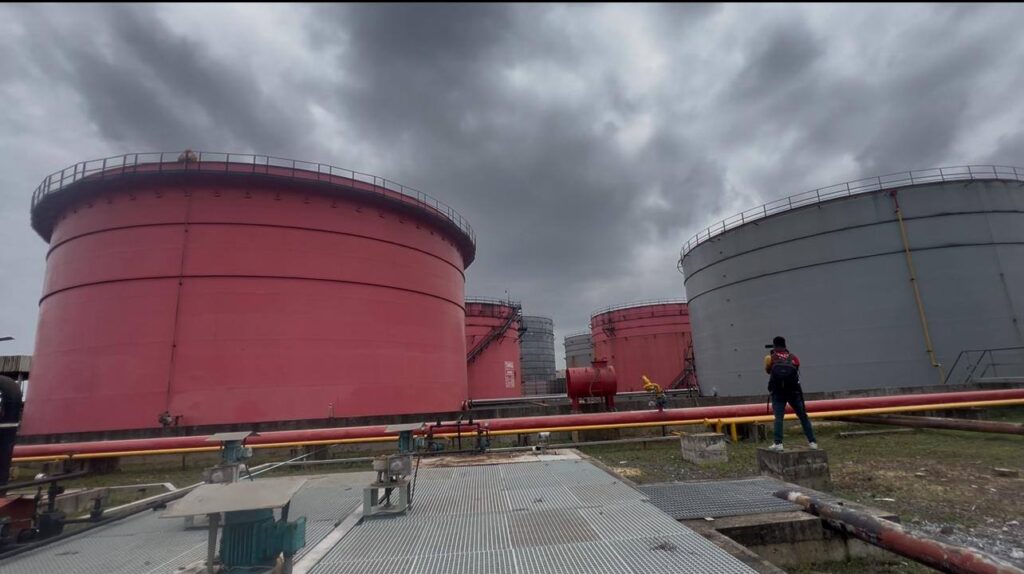
As part of the program, President Boakai also inspected newly constructed infrastructure designed to support the direct importation system. These included modern fuel storage tanks and a state-of-the-art petroleum testing laboratory that will ensure quality control and safety.
The facilities, which began construction last year, are now completed and ready for operation.
President Boakai commended the Liberia Petroleum Refining Company (LPRC) for spearheading the initiative, emphasizing that the new facilities will strengthen Liberia’s capacity to store, test, and distribute petroleum products effectively.
LPRC Hails Market Impact
LPRC Managing Director Amos Tweh described the development as a game-changer for Liberia’s fuel market.
“This initiative will revolutionize how fuel is supplied in Liberia,” Tweh said. “By importing directly, the government can stabilize the market, prevent artificial shortages, and ensure the safety and quality of petroleum products.”
He added that the new facilities will allow the LPRC to maintain reliable reserves, reducing the risk of sudden scarcity that has long plagued the country.
Economic Relief for Liberians
The move is expected to ease financial pressure on ordinary Liberians, who for years have faced fluctuating fuel prices often driven by middlemen and inconsistent supply chains. By reducing dependency on private importers, the government aims to lower costs at the pump and ensure transparency in fuel pricing.
“This is a big win for the Liberian people,” President Boakai said, noting that stable fuel prices would also reduce transportation costs, benefiting traders, commuters, and businesses across the country.
Economists predict the initiative could have ripple effects on other sectors of the economy, including agriculture, manufacturing, and services, where high fuel costs have long been cited as a barrier to growth.
Looking Ahead
President Boakai reiterated his administration’s commitment to ensuring long-term energy security for Liberia. He emphasized that the success of the fuel importation program will depend on efficient management, transparency, and continuous investment in infrastructure.

“Our goal is to build a petroleum sector that is reliable, safe, and affordable,” he said. “This is not just about fuel — it is about building confidence in our economy and ensuring a better future for our citizens.”
With the arrival of the first shipment and additional supplies on the way, Liberia appears poised to take greater control of its energy sector. As the nation celebrates this breakthrough, attention now turns to the impact on daily life for millions of Liberians eager for relief from decades of fuel insecurity.


