


By : Our River Gee County Correspondent
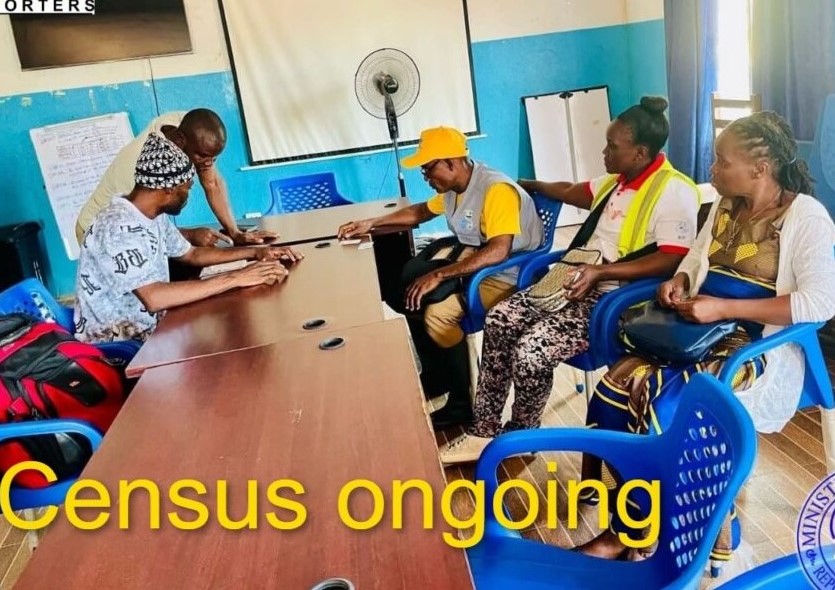
River Gee County, Liberia – June 28, 2025, The Ministry of Health (MoH) has launched a National Health Census in River Gee County as part of a nationwide effort to assess and document Liberia’s healthcare workforce. The exercise, which began on June 19 and is expected to conclude on June 29, is being led by Team Leader Wilmont B. Beyam, alongside three other team members.
The census seeks to provide a comprehensive overview of all healthcare workers operating in the county, including employees, volunteers, and staff from both public and private health institutions. According to Beyam, the exercise is aimed at improving workforce planning, enhancing service delivery, and boosting accountability in Liberia’s health system.
“This is a 10-day exercise that involves in-person interviews and photo verification to ensure the accuracy and reliability of the data collected,” Beyam said in an interview with our correspondent. “We are documenting everyone—doctors, nurses, midwives, lab technicians, support staff, and volunteers—regardless of affiliation.”
Participants are required to present valid identification cards or professional licenses, and health workers currently residing outside the county have been asked to return for the exercise. Exceptions, Beyam noted, will only be made for individuals on study leave who can provide a Memorandum of Understanding from their institution.
A National Initiative for a Stronger Health Sector
The census in River Gee is part of a broader national initiative aimed at restructuring Liberia’s healthcare system by ensuring that all health personnel are adequately accounted for. Officials say the data will be instrumental in making informed decisions about resource allocation, workforce training, and policy development.
“By documenting the full range of healthcare providers across Liberia, we are laying the groundwork for a stronger, more responsive healthcare system,” Beyam explained. “This information is essential to ensure that health services reach every corner of the country efficiently.”
The Ministry of Health has emphasized that the initiative will ultimately help to optimize the distribution of healthcare resources and improve access to essential services for underserved populations.
Growing Discontent Among Health Volunteers
However, the exercise has not been without controversy. Several healthcare volunteers in River Gee County have raised concerns about the practical outcomes of the census, particularly regarding their inclusion in the government’s payroll.
A Community Health Service Supervisor (CHSS), who requested anonymity due to the sensitive nature of the topic, criticized the process as “ineffective,” citing a lack of clear commitments from authorities on addressing long-standing issues of unpaid labor.
“We’ve been working for nearly six months without any compensation,” the CHSS said. “We were promised payment in our contracts, but nothing has happened. Now they want us to participate in this census without explaining what it really means for our future.”
Other volunteers echoed these frustrations, expressing skepticism that the census would lead to meaningful improvements in their employment status or benefits. Some fear that despite being documented, their contributions may continue to go unrecognized in terms of formal inclusion and pay.
Balancing Hope with Uncertainty
While government officials have framed the census as a step toward transparency and long-term workforce stability, healthcare workers in rural areas like River Gee are urging for immediate action and accountability.
“We are committed to serving our communities,” one nurse stated. “But how do we survive if we are not paid for months? The census should not just be a data collection exercise. It should come with policy changes that reflect our value.”
Despite the mixed reactions, the Ministry of Health maintains that the initiative is a critical step in overhauling Liberia’s healthcare delivery systems, especially in hard-to-reach areas.
With just a few days left before the census wraps up in River Gee, all eyes are now on the government’s next steps. Will the data collected lead to real change for health workers on the ground, or will it become another bureaucratic exercise with limited follow-through?
For many in Liberia’s southeastern county, the answer to that question could determine not only their livelihoods but also the strength and sustainability of the region’s healthcare services.


