


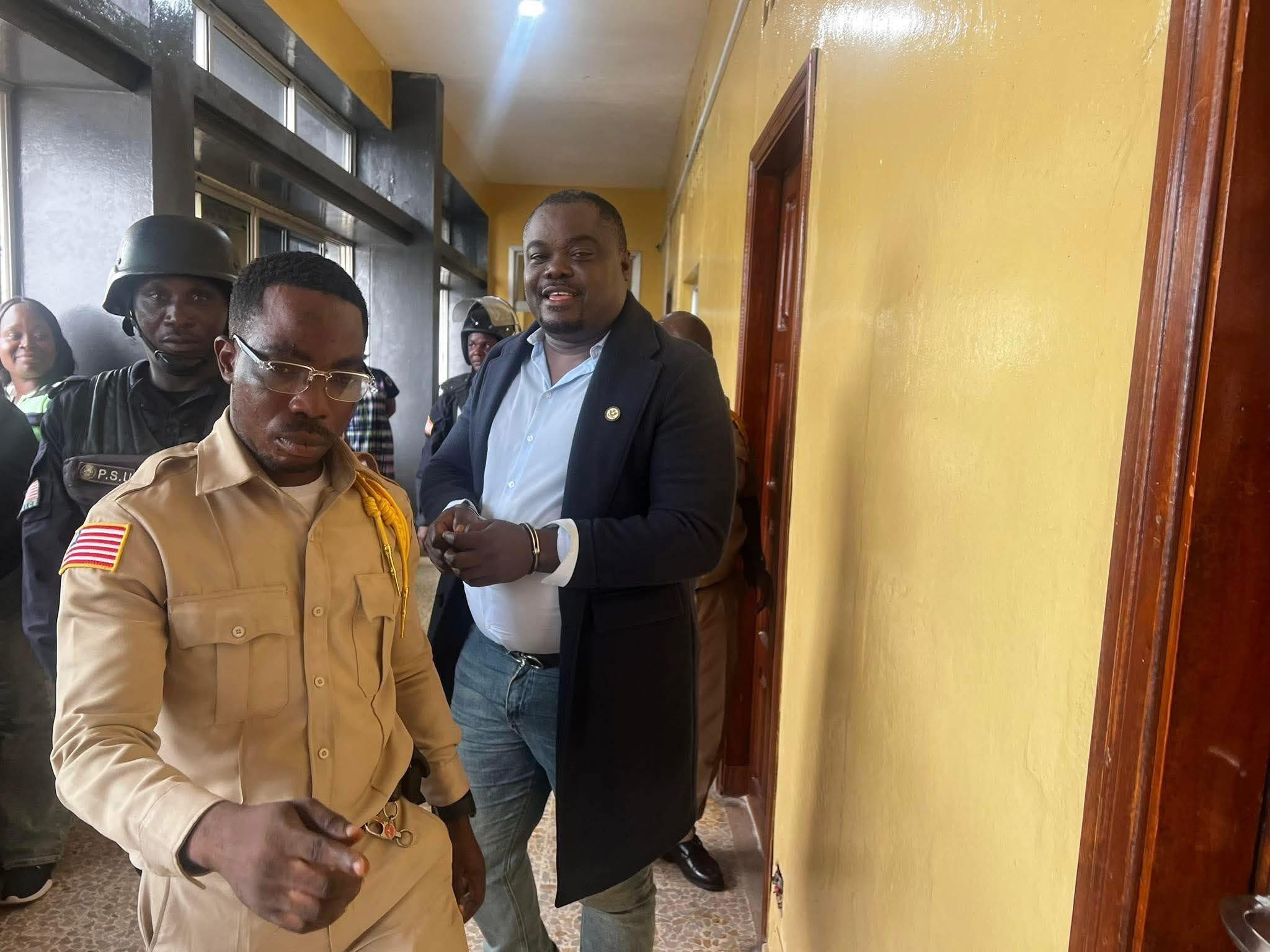
MONROVIA, Liberia – February 12, 2026-The Supreme Court of Liberia has sentenced Justin Oldpa Yeazeahn—widely known as “Prophet Key”—to six months’ imprisonment for criminal contempt after he falsely accused the country’s Chief Justice of corruption.
The ruling, delivered by the full bench on Friday morning, followed earlier proceedings in which defense attorneys conceded that the allegations against the Chief Justice were unfounded. Counsel for Yeazeahn appealed for leniency, acknowledging their client’s misconduct and expressing regret before the court.
Judiciary Draws a Line
Lawyers representing the Chief Justice urged the court to impose a firm penalty, arguing that unchecked accusations against the judiciary risk undermining institutional credibility. They maintained that decisive action was necessary to deter similar conduct and preserve respect for the rule of law.
In its judgment, the Court ordered Yeazeahn to serve six months at South Beach Prison. In addition to the custodial sentence, he was directed to publish a formal public apology and execute a behavior bond as conditions attached to the ruling.
Public Apology and Emotional Scene
Following the hearing, Yeazeahn addressed reporters outside the courtroom, admitting fault and apologizing to the Chief Justice and the Court. He pledged not to repeat such conduct.
Moments after the sentence was pronounced, his wife was seen leaving the courthouse visibly emotional as supporters and onlookers gathered around the premises. The scene reflected the broader public interest that has surrounded the case.
A Defining Moment for Accountability
The sentencing has generated mixed reactions nationwide. While some citizens view the punishment as a necessary assertion of judicial authority, others interpret it as a cautionary episode in the ongoing debate over free speech and accountability.
At its core, the ruling signals the Court’s position that public commentary—particularly allegations targeting senior judicial officials—must be grounded in verifiable evidence. The decision marks a consequential moment in Liberia’s evolving discourse on expression, responsibility, and the limits of public accusation.


