


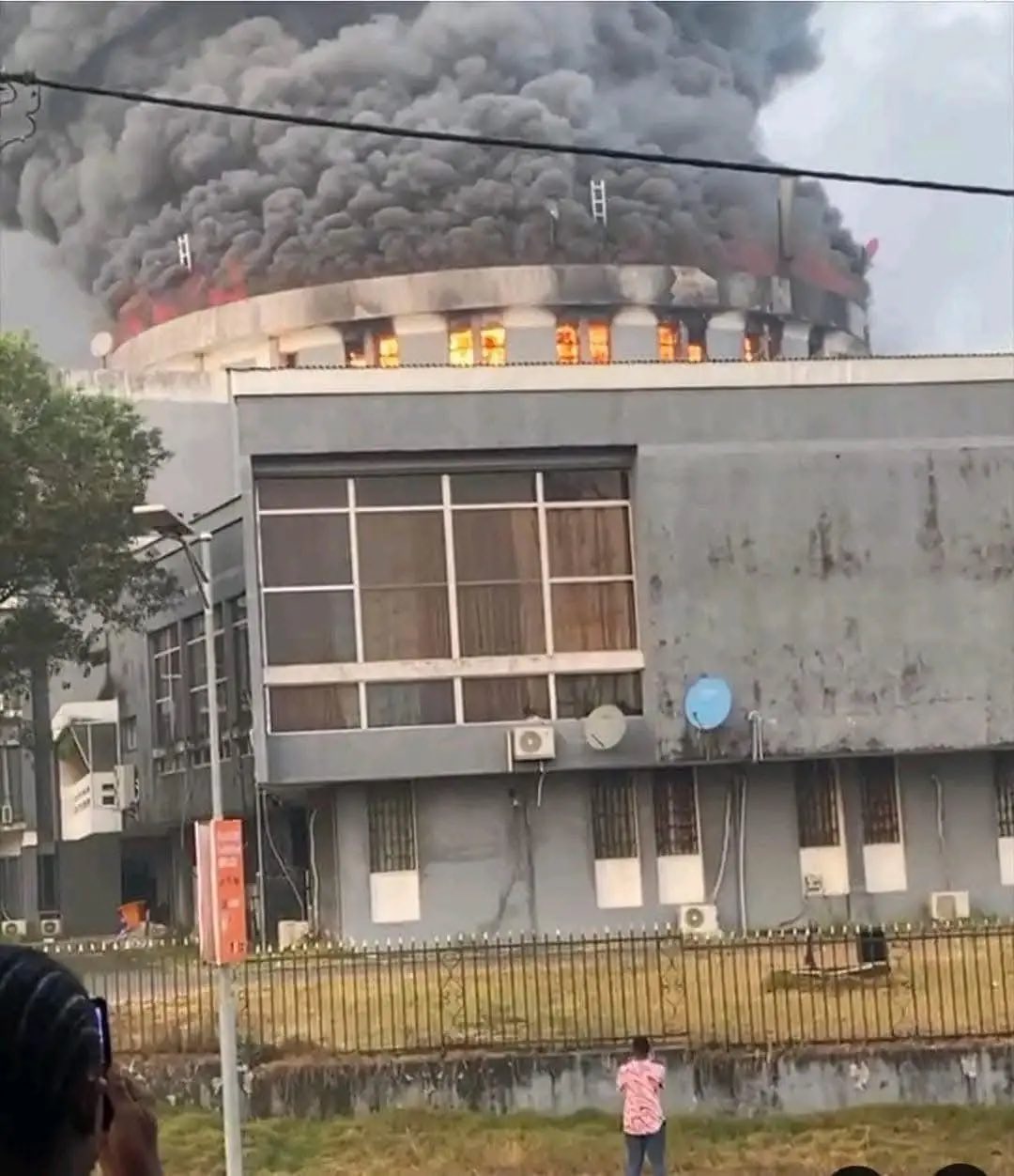
The ongoing Capitol Building arson case before Criminal Court “A” at the Temple of Justice, presided over by Judge Roosevelt Z. Willie, has taken a dramatic turn as prosecutors move to have the current jury disbanded. The February Term of Court, scheduled to open on Monday, February 9, 2026, is expected to begin with a formal request from the prosecution to seat a new jury, following a petition they filed supported by what they say is credible evidence of misconduct.
Despite these claims, supporters of the defendants have taken to social media, accusing the prosecution of trying to dissolve the jury because it allegedly lacks strong evidence in the case. They argue emotionally and sentimentally that the move is a sign of weakness, not a step toward justice.
The author cautions Liberians to be wary of such narratives and not to be swayed by propaganda designed to cast doubt on the legal process. He notes that the prosecution has not yet fully presented its evidence and urges the public to follow the courtroom proceedings closely rather than relying on tribal, ethnic, or emotional arguments circulating online.
He further stresses that the individuals charged in this matter were not arbitrarily picked off the streets. According to him, they were indicted because investigators and prosecutors believe they played some role in the 2023 fire and that the justice system would not risk its credibility by bringing people to court merely to frame them for political reasons. He encourages citizens to remain patient and attentive as the trial continues.
In conclusion, the commentary recalls that the case stems from a 2023 fire that damaged parts of the Capitol Building and raised suspicions of politically motivated sabotage. Several people have been indicted on charges including arson, criminal mischief, and conspiracy. The trial has been briefly paused due to the decision to disband the jury, but court officials say a new panel is expected to be empaneled in the coming days, with hearings resuming immediately once the February Term formally opens. The author again appeals to the public to follow the process with open minds until the final verdict is reached.
The writer, Malcolm Jamal Davies, describes himself as a private Liberian citizen with many years of experience in the private sector, particularly in investment and trade. He emphasizes that he is not a politician, but a concerned taxpayer who cares deeply about Liberia’s development and the wellbeing of its people.


