


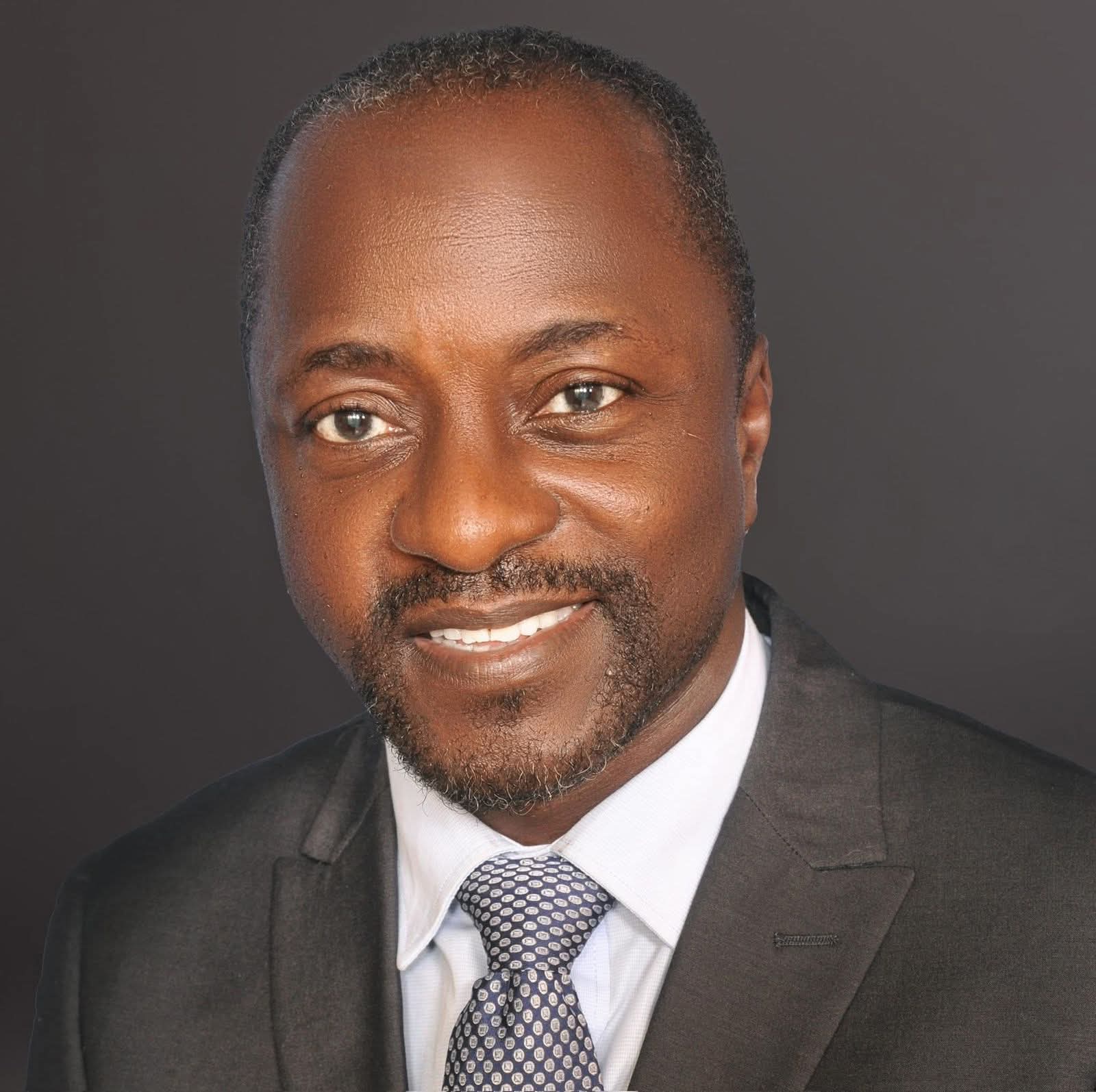
February 13, 2026-Attorney Worlea Saywah Dunah, former Minister of Posts and Telecommunications, has issued a forceful appeal for judicial intervention amid what he describes as a dangerous erosion of moral and legal boundaries in Liberia’s public discourse.
In a strongly worded statement, Dunah condemned recent public insults directed at the mother of Liberia’s sitting Chief Justice, characterizing the attacks as offensive, culturally corrosive, and socially destabilizing. According to him, the normalization of vulgar attacks in media spaces—particularly on digital platforms—threatens the moral fabric of the Republic.
Freedom With Limits
Dunah argued that freedom of expression, while constitutionally protected, is not absolute. He likened it to the right to carry a cutlass: lawful possession does not justify assault. In his view, speech that degenerates into character assassination and indecent public attacks exceeds the bounds of responsible liberty.
He warned that unrestrained verbal abuse risks pushing society toward what political philosopher Thomas Hobbes described as a “state of nature,” where lawlessness prevails and social order collapses. A democratic society, he stressed, survives on the balance between rights and accountability.
Culture, Religion, and Social Order
Drawing from indigenous traditions in Nimba County—particularly among Dan and Mano communities—Dunah emphasized that Liberia’s cultural systems historically enforced strict sanctions against public misconduct and verbal indecency. Community elders, he noted, traditionally acted swiftly to preserve order and communal respect.
He further criticized the religious framing adopted by the individual at the center of the controversy, known publicly as Prophet Key. Dunah maintained that the prophetic title carries spiritual and moral weight within both Christianity and Islam, neither of which condones public insult or degradation. Religious institutions, he suggested, have a responsibility to disassociate themselves from conduct that contradicts foundational teachings.
Institutional Responsibility
Beyond cultural and moral arguments, Dunah expressed frustration with what he termed institutional inaction. He called on the Ministry of Justice and the Ministry of Information to exercise their regulatory and prosecutorial mandates more assertively.
For Dunah, the issue transcends one individual. It reflects a broader governance challenge: whether Liberia’s institutions are prepared to defend civil order in an era of expanding digital platforms and unfiltered commentary.
A Test for the Judiciary
Ultimately, Dunah’s appeal centers on the courts. He believes the judiciary must establish clear legal boundaries that protect dignity without undermining constitutional freedoms. Failure to act decisively, he warned, could embolden a culture of impunity that erodes respect for families, faith institutions, and public officials alike.
As Liberia navigates the complexities of free expression in the digital age, the unfolding debate raises a fundamental question: how should a democratic society reconcile liberty with responsibility?


