


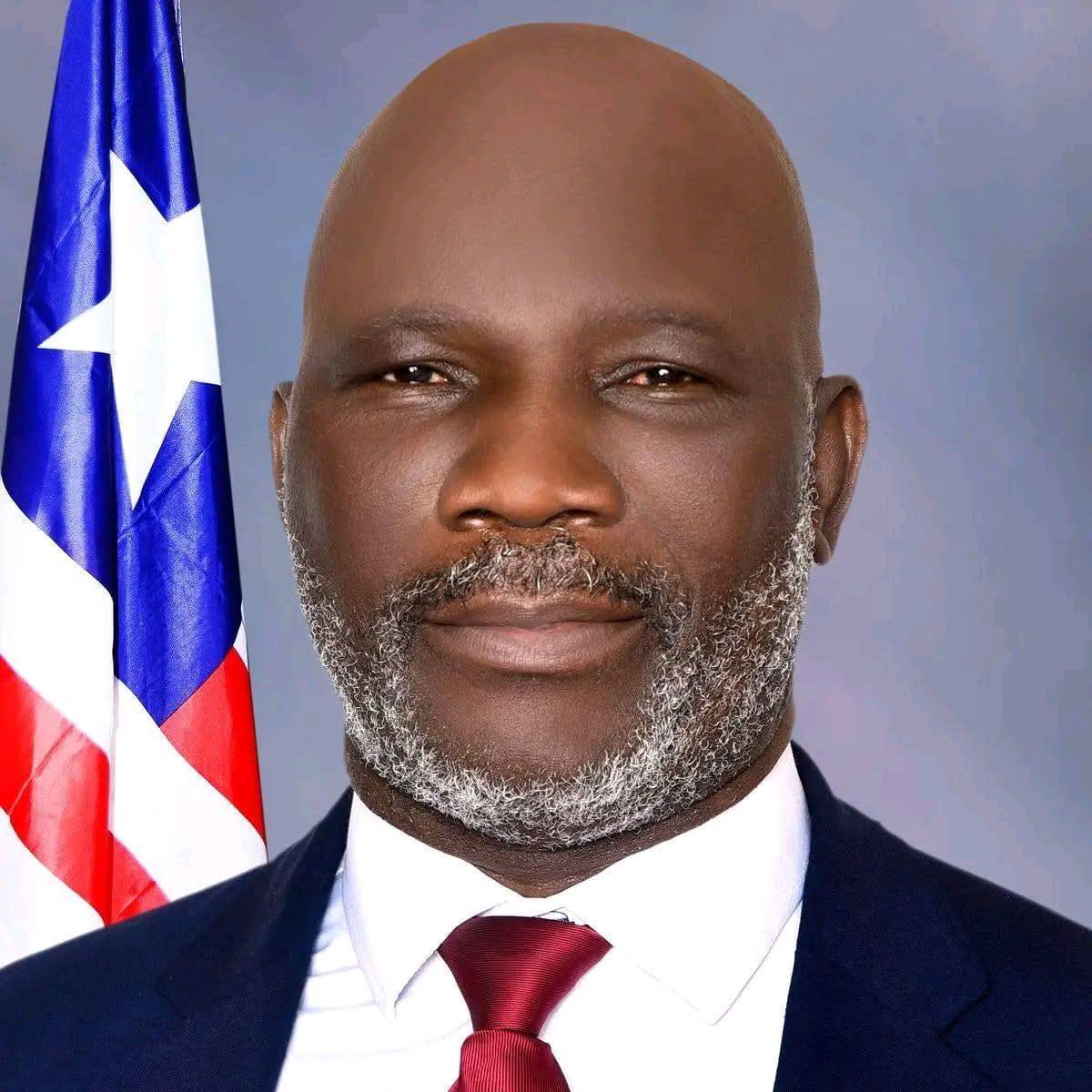
MONROVIA, Liberia — Liberia’s already heated political atmosphere intensified this week after the Citizen Action Movement (CAM) publicly accused two prominent media figures of orchestrating what it calls a coordinated misinformation campaign against House Speaker Richard Nagbe Koon.
In a sharply worded statement, CAM condemned broadcaster Stanton Witherspoon and commentator Justin Oldpa Yeazehn, popularly known as Prophet Key, alleging that their recent commentaries amount to character attacks rather than legitimate political scrutiny.
Allegations of Coordinated Misinformation
CAM claims that both men have used digital platforms—including Spoon Network—to circulate what it describes as unverified claims and negative narratives targeting the Speaker. The organization argues that the rhetoric reflects a troubling pattern in which social media platforms are weaponized to shape public opinion without evidentiary standards.
According to the group, the dispute extends beyond political disagreement. CAM alleges attempts at coercion and reputational pressure, characterizing the commentary as part of a broader strategy to undermine the credibility of the Speaker’s office.
Neither Witherspoon nor Prophet Key has publicly responded to the latest accusations at the time of publication.
Legal Histories Enter the Debate
In escalating its defense of Speaker Koon, CAM referenced past legal controversies involving the two media personalities.
Witherspoon, identified as CEO of Spoon Network, was convicted in the United States in 2023 for conspiracy to commit wire fraud in connection with a multi-state scheme involving fraudulent nursing diplomas. CAM argues that this conviction raises questions about his credibility in leading public integrity debates.
Prophet Key, meanwhile, was reportedly disqualified during the 2025 Nimba County Senatorial By-Election over issues relating to a biometric voter registration card. CAM contends that these past incidents weaken the moral authority of both men to publicly challenge elected officials.
Free Speech vs. Responsible Speech
Beyond individual accusations, the controversy highlights a broader tension in Liberian politics: the boundary between free expression and defamation.
CAM maintains that constitutional protections for speech do not extend to what it describes as deliberate misinformation. The group has called on the Press Union of Liberia to examine what it terms “unprofessional conduct” in the media sphere.
CAM Secretary General Bedford Dennison described the situation as emblematic of a larger ethical crisis in political communication, warning that public trust erodes when accusations replace verified reporting.
Escalating Political Climate
Founded in 2023, CAM positions itself as an advocate for ethical public service and responsible discourse. Its latest intervention suggests that the battle over narrative control in Liberia’s digital age is intensifying, with reputations, political leverage, and institutional credibility at stake.
As accusations and counter-accusations continue, the unfolding dispute poses a critical question: in an era dominated by online commentary, who defines the line between scrutiny and smear?


