


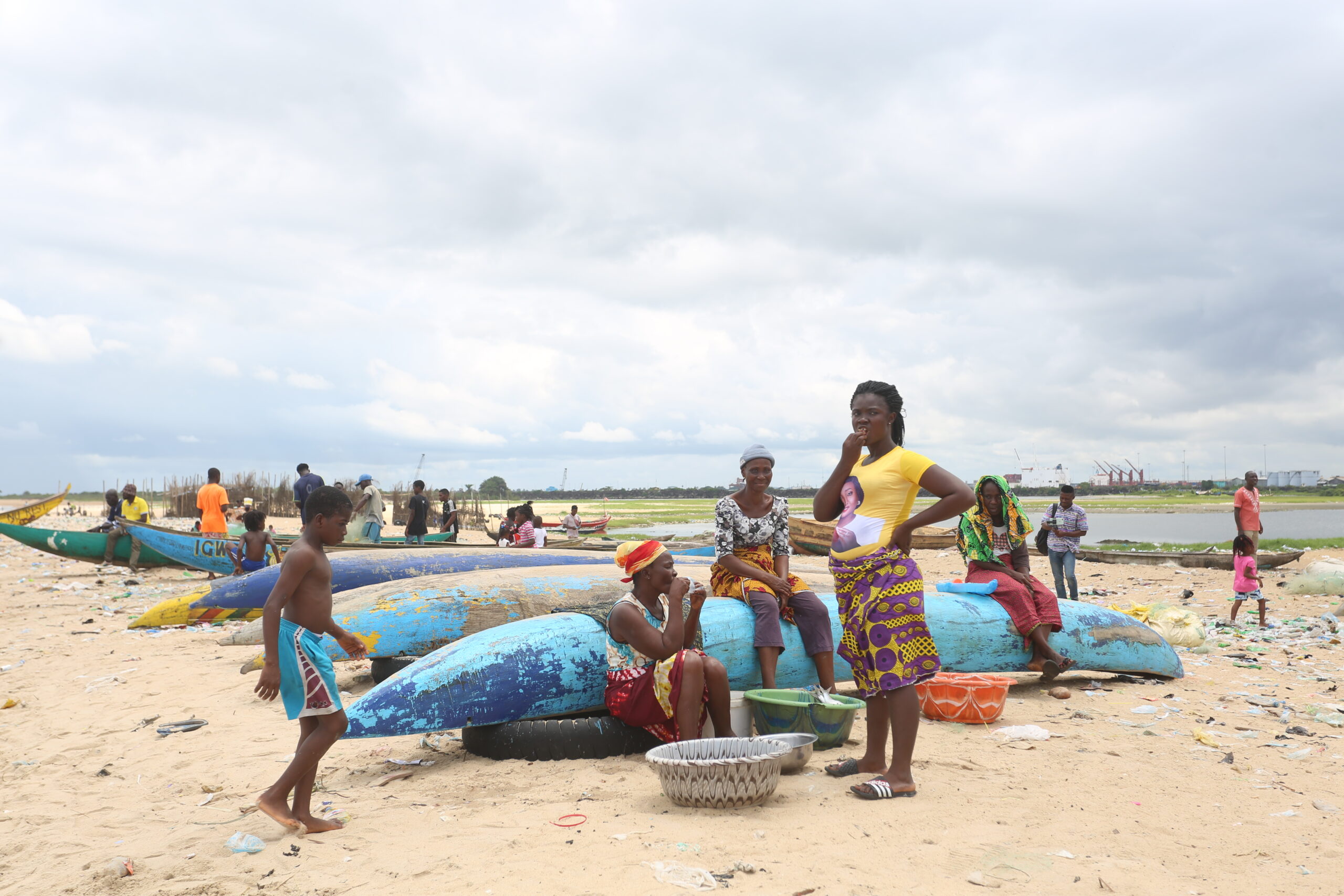
In coastal communities, the success of a fishing day does not end when boats return to shore—it depends on how well the catch is preserved, transported, and sold. In Robertsport, a historic fishing hub in Grand Cape Mount County, a new solar-powered cold storage facility is set to transform that critical final step of the fishing value chain.
On March 12, 2026, the Government of Liberia, in partnership with the United Nations Development Programme (UNDP), will officially dedicate a newly completed prefabricated solar-powered cold storage facility designed to support fishmongers and traders in the city and surrounding communities.
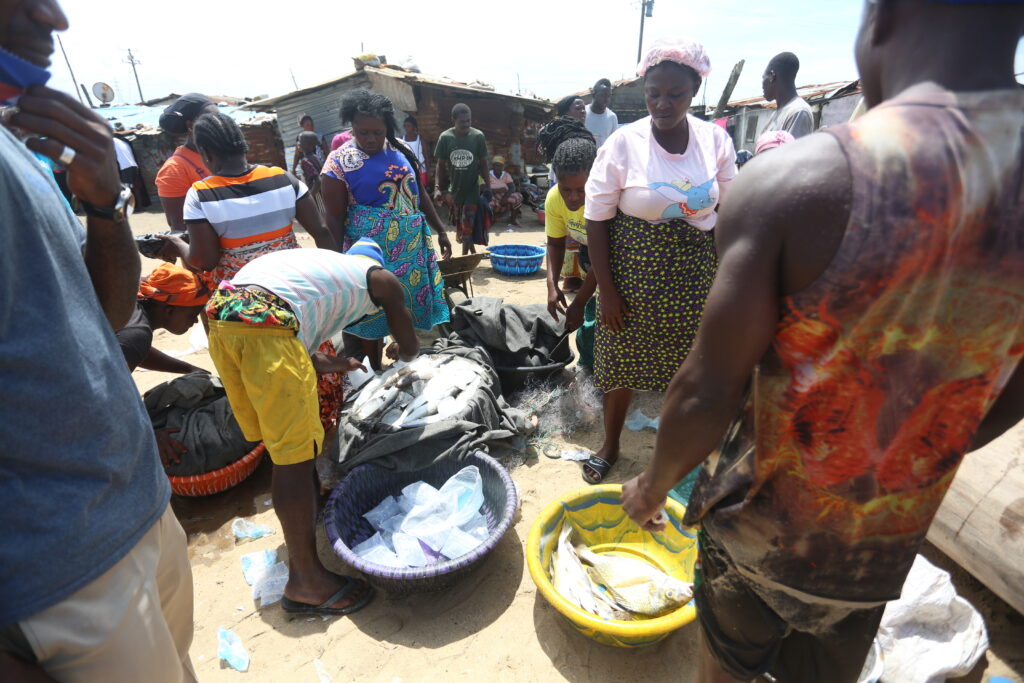
The facility represents a practical investment in economic resilience—one that directly supports the livelihoods of hundreds of families who depend on fishing and fish trading for their income. For years, many fishing communities in Liberia have faced a persistent challenge: the lack of reliable cold storage. Without proper preservation, fish can spoil quickly, forcing traders to sell at lower prices or suffer significant losses.
The newly constructed facility in Robertsport addresses that problem directly.
Valued at $66,597, the prefabricated structure is powered entirely by solar energy, ensuring reliable and environmentally friendly refrigeration. Earlier this month, a joint team of UNDP solar engineers and representatives from the National Fisheries and Aquaculture Authority validated the facility, confirming that it is fully operational and ready to serve the community.
By providing dependable cold storage, the facility will significantly reduce post-harvest losses and help fishmongers maintain the quality of their products for longer periods. This translates into higher incomes, stronger local markets, and improved food security.
Empowering Women at the Heart of the Fishing Economy
In Robertsport, women play a central role in the fish trade—processing, preserving, and selling the day’s catch. For many families, these activities represent their primary source of income. The new facility is expected to particularly benefit these women traders.
“This facility brings hope to our fishing families,” said Ma Sao Kromah, head of the Robertsport Women Association. “It means more income, less waste, and a stronger future for the next generation.”
By reducing spoilage and enabling traders to store fish safely, the project strengthens women’s economic participation and contributes to more stable household livelihoods. The dedication ceremony will bring together national and local leaders, development partners, and representatives of the fishing community.
Participants are expected to include county authorities such as the Superintendent, County Development Officer, City Mayor, City Inspector, Women Leader, and Youth Chair, alongside officials traveling from Monrovia.
The event will feature presentations highlighting the achievements of the Accelerated Community Development Programme (ACDP), followed by a guided tour of the facility and the official ribbon-cutting ceremony.
Local leaders have already welcomed the investment, emphasizing that cold storage infrastructure is essential for strengthening fisheries, improving food security, and stabilizing community incomes. For development partners, the Robertsport facility represents more than a physical structure. It is also a symbol of cooperation and shared responsibility.
According to Boye Johnson, the project highlights what can be achieved when communities, government institutions, and development organizations work together toward common goals.
“This solar-powered cold storage facility is not just a building,” he noted. “It is a symbol of empowerment for women, resilience for fishing communities, and progress for the county.”
The cold storage facility is part of the broader Accelerated Community Development Programme, launched in 2022 as a flagship initiative jointly funded by the Government of Liberia and UNDP.
The Government initially committed $3 million, while UNDP provided over $1.5 million in co-financing to support community-driven development projects across the country. The programme focuses on accelerating socio-economic development in rural communities by investing in key sectors such as agriculture, health, water, sanitation, and local infrastructure.
Since its launch, the initiative has delivered significant results, including: Over $700,000 in agricultural machinery and equipment deployed to 14 cooperatives across six counties. More than 2,000 farmers receiving farming tools and processing equipment. $280,000 in small capital grants to strengthen cooperative operations
Leadership and agribusiness training for over 200 cooperative members. Construction of water infrastructure in communities across Bong, Gbarpolu, Nimba, Lofa, and Rivercess counties. Procurement of seven ambulances to strengthen health service delivery. Ongoing renovation of Tellewoyan Hospital in Lofa County. Construction of an agri-food processing and storage facility in Bopolu, Gbarpolu County. Donation of 16 Yamaha motorbikes to the Ministry of Agriculture of Liberia to support agricultural extension services.
The Accelerated Community Development Programme aligns closely with Liberia’s ARREST Agenda for Inclusive Development, the government’s national development framework.
It also contributes directly to achieving the United Nations Sustainable Development Goals by 2030—particularly those focused on poverty reduction, food security, gender equality, and sustainable economic growth.
A Small Facility with Big Impact
While modest in size, the Robertsport solar cold storage facility represents a powerful example of how targeted investments can transform local economies. For fishmongers, it means fewer losses and better profits. For families, it means greater stability.
For the community, it means progress powered by sustainable energy. And for Liberia’s coastal fishing communities, it is a reminder that the future of development often begins with practical solutions—built with partnership, designed for people, and powered by innovation.


