


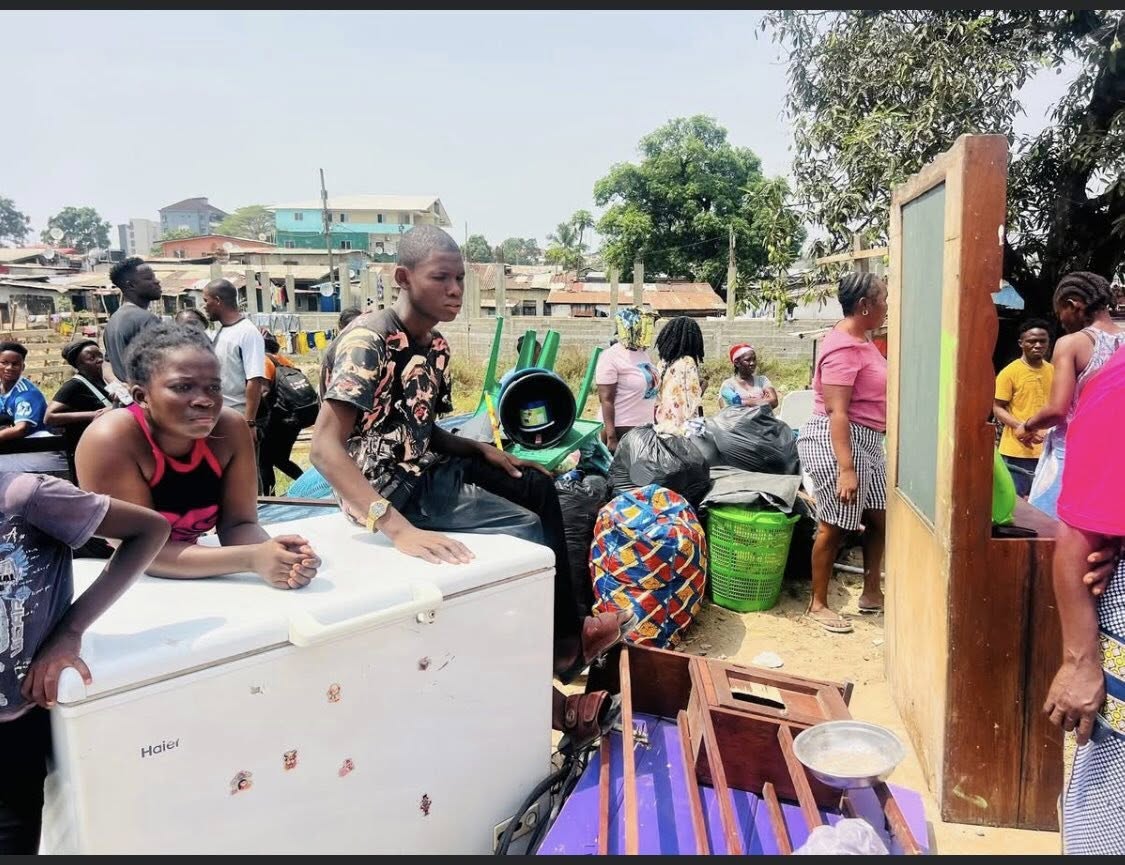
The ongoing land crisis in Liberia is not a battle between rival institutions but a test of whether the nation’s leaders can finally act as one team, according to Representative Sumo Mulbah, who has urged a coordinated and technology-driven response to land conflicts and fraud.
On Tuesday, March 3, 2026, Rep. Mulbah attended the House of Representatives’ plenary hearing where representatives from the Liberia Land Authority, the General Services Agency (GSA), and other stakeholders addressed lawmakers on persistent land challenges, including dual land titles, land repurchase disputes, and the government’s efforts to resolve them. He listened as a Land Authority representative outlined a new plan to introduce a hologram seal to curb fraudulent documents and as some lawmakers expressed frustration that the executive and judiciary branches have not adequately tackled systemic fraud.
Reflecting on the proceedings, Rep. Mulbah argued that the culture of blame among institutions is deeply unhelpful. “I believe that assigning blame for land issues among different parties is analogous to passing a ball among teammates without realizing they are on the same team,” he wrote. He said it is “counterproductive for branches of government to engage in blame-shifting,” stressing that only genuine collaboration will deliver lasting solutions to Liberia’s land problems.
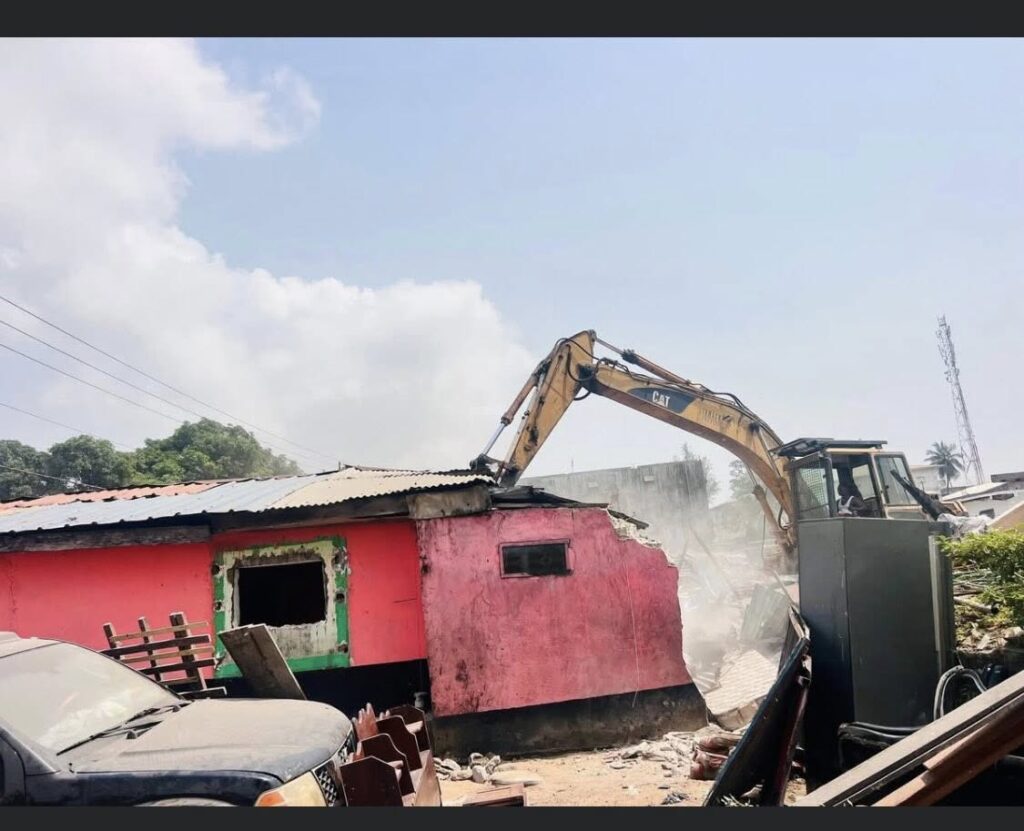
At the heart of his recommendations is a call for a full digital transformation of Liberia’s land governance. He urged the Land Authority Commission to fully implement the National Land Information System (LISL), which would include scanning and indexing land records and integrating a computerized land registration system. Through this digitized registry, he explained, “once a plot is registered, the system will automatically reject any attempt to create a second title for the same geographical coordinates,” thereby eliminating double titling.
Rep. Mulbah also called for the use of blockchain technology within the Land Registry. A blockchain-enabled system, he argued, would create a transparent and immutable ledger of land transactions, allowing potential buyers to verify in real time whether a seller is the legitimate owner and whether a parcel has already been sold. This, he suggested, would significantly reduce fraud and build confidence in land deals.
Beyond technology, he identified “sale trust” as a major weakness in current land transactions. “I believe that adopting a financial policy of escrow accounts offers an effective solution to this problem,” he wrote. He noted that many buyers in Liberia have lost money by paying sellers directly before confirming the validity of titles, leading to serious disputes over ownership. In his view, placing purchase funds in the custody of a neutral third party—such as a land authority or reputable law firm—until title verification and deed transfer are complete would protect buyers and deter fraudulent sales.
Under this proposed system, funds would only be released to the seller after key conditions are met, including successful verification at the Land Registry and proper completion of transfer documents. If a title is discovered to be duplicated or fraudulent during due diligence, the buyer’s money would remain safe, providing a vital layer of protection in a high-risk environment.
Rep. Mulbah further recommended that the government establish and promote customary land secretariats at the local level. These bodies would serve as intermediaries between traditional leaders and the formal state, helping stools and families maintain accurate records of landholdings and transactions. By professionalizing customary land management, he believes Liberia can reduce the institutional gaps that fuel conflicting court judgments and boundary disputes.
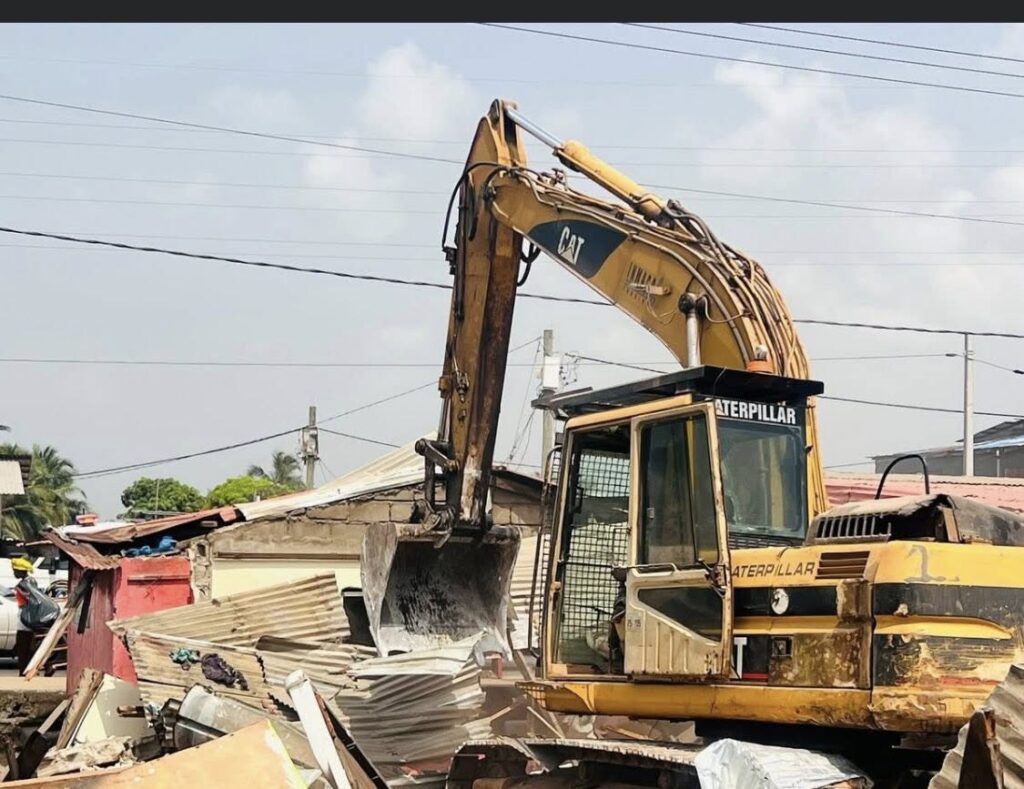
To address abuses in land surveying, he proposed that government maintain a roster of licensed surveyors assigned to specific counties, restricting their work to those jurisdictions. Surveyors, he suggested, should carry security identification cards confirming their official assignments, a measure aimed at curbing unauthorized and fraudulent surveying activities.
Rep. Mulbah also pointed to the role of the probate court and archives in strengthening transparency. He recommended an alphanumeric coding system that would allow archival documents to be stored and tracked in line with the digital land database, with each primary code corresponding to a single deed. This, he argued, would make it easier to detect and challenge attempts to approve similar deeds bearing the same coordinates.
Expressing optimism despite the depth of the crisis, Rep. Mulbah concluded that Liberia can overcome its land problems if these reforms are embraced. “I am confident that if we follow these recommendations, the land issue will be resolved as soon as possible,” he wrote, underscoring his belief that political will, institutional cooperation, and smart technology can finally bring order to Liberia’s land sector.


