


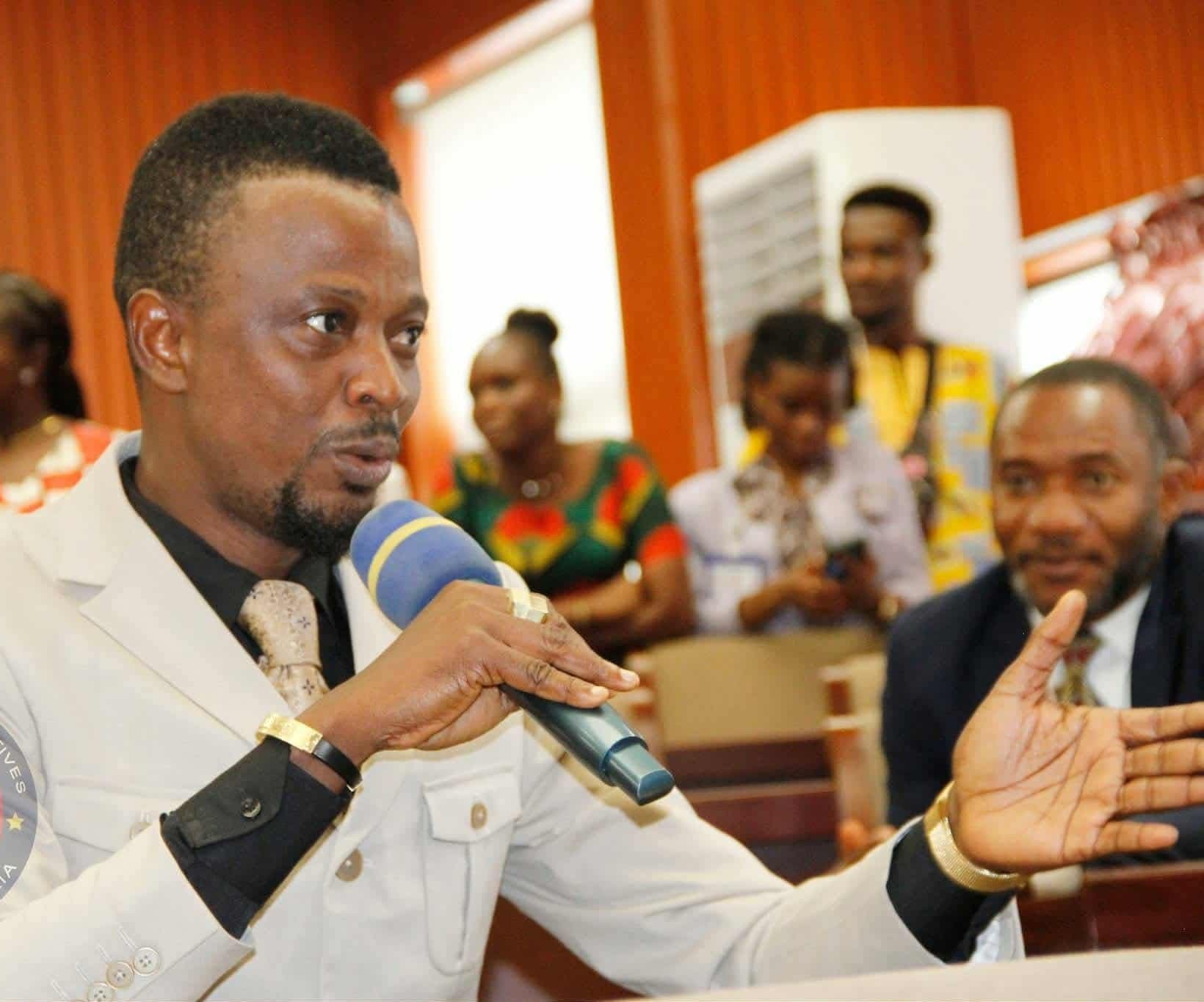
March 5, 2026-Mounting concerns over land conflicts in Liberia have prompted fresh calls for reform, with Montserrado County District #3 Representative Sumo Mulbah proposing a technology-driven overhaul of the country’s land administration system.
The lawmaker outlined a set of policy recommendations following a House of Representatives plenary hearing on Tuesday, where officials from the Liberia Land Authority, the General Services Agency and other stakeholders addressed persistent issues affecting land governance. Among the challenges highlighted were duplicate land titles, repeated land sales and widespread fraud within the system.
The hearing also exposed growing frustration among some lawmakers who believe government institutions have made limited progress in addressing structural weaknesses that continue to fuel land disputes across the country.
Against this backdrop, Rep. Mulbah called for stronger coordination among Liberia’s three branches of government—the executive, legislative and judicial arms—arguing that institutional blame-shifting has slowed efforts to resolve land-related conflicts. According to him, only a unified approach can effectively address the entrenched problems that have long complicated property ownership in the country.
At the center of Mulbah’s proposals is the full implementation of the National Land Information System, a digital platform designed to modernize Liberia’s land registry. The system would digitize existing land records through scanning, indexing and electronic management, creating a more organized and accessible national database.
The platform would also include a computerized land registration process capable of detecting and rejecting duplicate titles by relying on geographic coordinates to verify property boundaries—an innovation aimed at preventing multiple ownership claims over the same parcel of land.
In addition to digitization, Mulbah recommended incorporating blockchain technology into the national registry. The blockchain-based ledger would create a secure and tamper-resistant record of land transactions, allowing potential buyers to verify property ownership in real time and ensuring that sellers hold legitimate titles before completing sales.
The lawmaker also proposed several complementary safeguards to strengthen land governance. These include the use of escrow accounts to protect buyers during land transactions, the establishment of customary land secretariats to help traditional communities maintain accurate land records and stricter regulation of surveyors through county-based assignments and official identification systems.
Furthermore, Mulbah suggested that probate courts adopt an alphanumeric coding system for deeds to better align archived land documents with the planned digital registry.
If implemented, the proposed reforms could mark a significant step toward improving transparency and reducing fraud within Liberia’s land administration framework—an issue that has long been at the center of social tension and legal disputes throughout the country.


