


Young Liberians are increasingly being called upon to lead the fight against gender-based violence as alarming statistics continue to expose the scale of the crisis across the country.
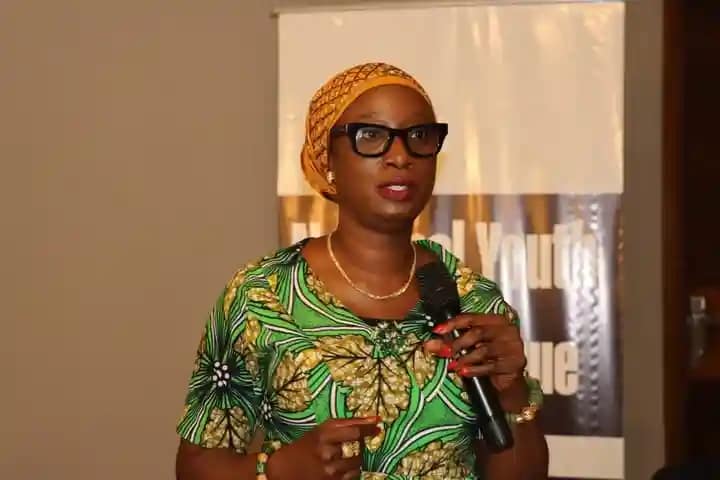
At the recently concluded National Youth Dialogue on Gender-Based Violence held at the Mamba Point Hotel, government officials, youth advocates, and civil society leaders gathered to confront what many described as a national emergency affecting thousands of young girls and women.
Delivering key remarks at the forum, Gbeme Horace-Kollie, Liberia’s Minister of Gender, Children and Social Protection, urged young people to take a leading role in challenging harmful social norms and raising awareness in their communities.
According to the minister, the fight against gender-based violence cannot be won through government action alone. Instead, she stressed that young people must become active advocates for change by speaking out against abuse, educating their peers, and promoting respect and accountability in schools and neighborhoods.
Other speakers at the dialogue echoed the need for stronger prevention strategies, improved access to justice for survivors, and greater accountability for perpetrators of sexual violence.
The gathering also created a platform for youth participants to share personal experiences and stories from their communities—accounts that revealed how gender-based violence continues to disrupt lives and derail the futures of many young girls.
Several participants described cases involving classmates, neighbors, and relatives whose education and aspirations were cut short by abuse, reinforcing the urgency of addressing the problem.
National data further illustrate the scale of the challenge. In 2023, more than 2,000 rape cases were reported out of over 3,200 sexual and gender-based violence incidents nationwide. By 2024, the number of reported rape cases rose to approximately 2,700 to 2,800, representing the majority of more than 3,500 gender-based violence cases recorded across the country.
Preliminary figures for 2025 indicate that the crisis remains persistent, with more than 1,700 rape cases reported between January and September alone.
Officials say Montserrado County continues to record the highest number of cases, with most survivors being girls under the age of 18.

Advocates warn that these numbers represent more than statistics. Each case reflects a young life affected by trauma—interrupted schooling, shattered trust, and families struggling to recover from the consequences of violence.
Participants at the youth dialogue concluded the forum with a strong call for collective action, emphasizing that gender-based violence is not solely a women’s issue or a government responsibility but a national challenge that demands the involvement of every sector of society.
For many at the gathering, the central message was clear: lasting change will depend on the courage of young people to confront silence, challenge injustice, and lead the movement for safer communities across Liberia.


