


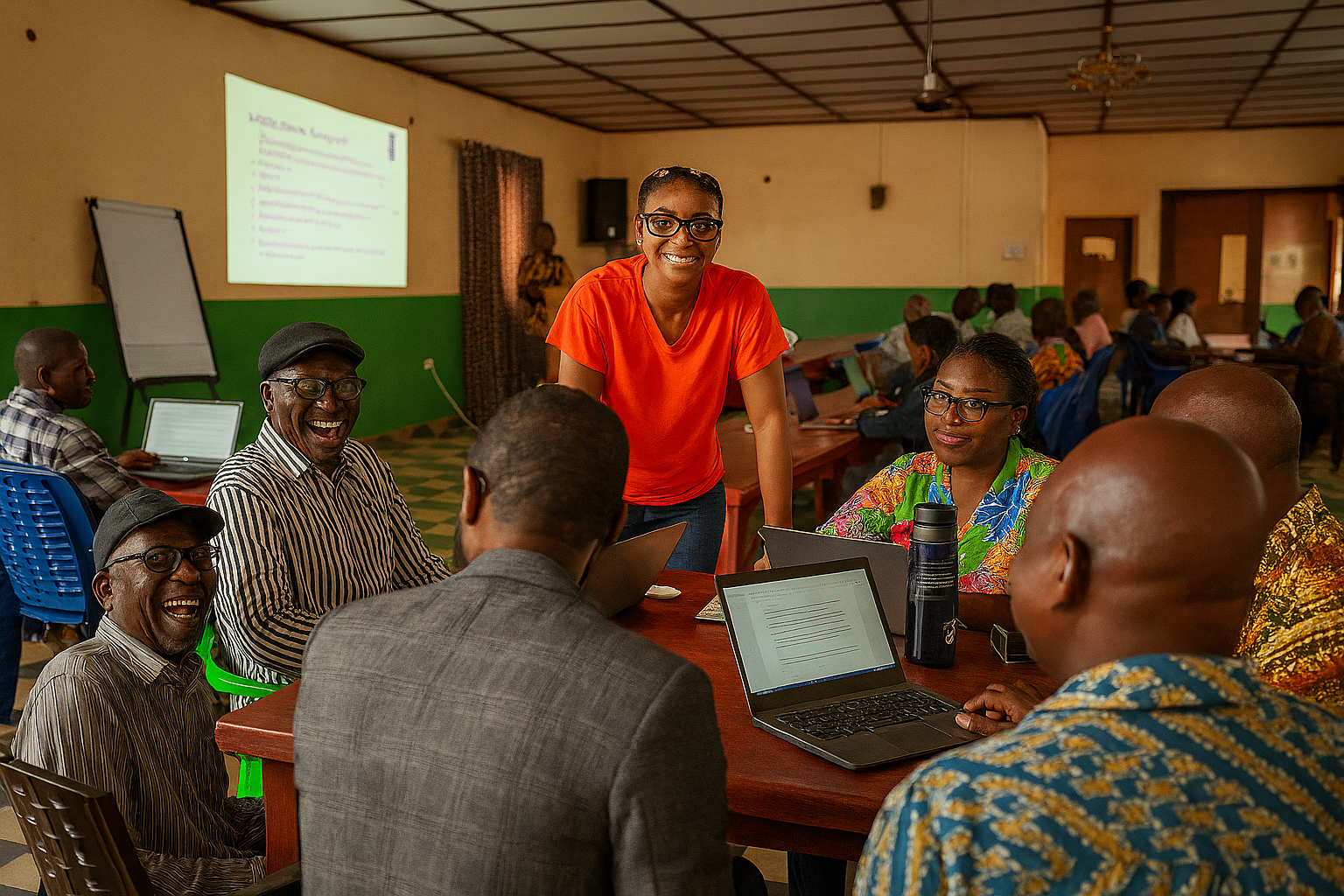
Kakata, Margibi County; — February 26, 2026: The corridors of the Kakata City Hall filled with the sound of greetings, pulled back chairs, and the quiet anticipation of something significant.
Government institutions, development partners, and civil society organizations convened for a high level validation workshop marking a major milestone in Liberia’s efforts to strengthen its biodiversity finance architecture.
Liberia stands at a pivotal moment. Its forests, rivers, and ecosystems remain among the richest and most diverse in West Africa, yet the financial systems meant to protect them are stretched thin and in need of reform.
The one day session focused on validating the Nature Positive and Nature Harmful Subsidies and Incentives Assessment and the Biodiversity Expenditure Review (BER), a step toward addressing that challenge.
Standing before the room, the UNDP Project Manager and National Coordinator of BIOFIN Liberia captured what many in the hall already felt.
In his opening statement, Emmanuel Massaquoi underscored the importance of the workshop to national development, a significant step toward a Nature Positive Future.
“This validation workshop marks a significant step forward in strengthening Liberia’s biodiversity finance architecture. Today’s deliberations underscore the importance of aligning financial policies and public expenditures with sustainable environmental outcomes. Your contributions are invaluable as we move toward finalizing these two critical reports, which will guide national action and inform key policy reforms,” Massaquoi noted.
He said the active engagement of stakeholders from government, development partners, and civil society demonstrates a shared commitment to moving toward finalizing the two critical reports which will build a nature positive future and guide national actions and inform key policy reforms
The workshop was not just a technical review—it was a moment of alignment.
Representatives from the Ministry of Finance and Development Planning, the EPA, FDA, MOA, MME, MOPW, civil society groups, and development partners sat side by side, united by a shared recognition that Liberia must finance its nature more intelligently, more sustainably, and more urgently.
Key Technical Findings Presented
The session featured detailed technical presentations, group work, and plenary level analysis that allowed stakeholders to thoroughly review and validate the methodologies, data, and recommendations in both reports, that could reshape biodiversity financing.
Mr. Darlington S. Tuagben, Lead Consultant, presented the major findings of the Subsidies and Incentives Assessment, outlining financial mechanisms that either support or undermine nature positive outcomes and incentives that can be redesigned to promote positive environmental outcomes.
Mr. Andy S. Gbatu, UNDP Biodiversity Finance Analyst, presented the Biodiversity Expenditure Review, a meticulous mapping of national biodiversity expenditures, attribution rates, and gaps across sectors.
Gbatu highlighted national spending patterns, gaps, and opportunities for more efficient biodiversity related investments.
Both men painted a detailed picture of how Liberia currently finances—or unintentionally undermines—its biodiversity goals.
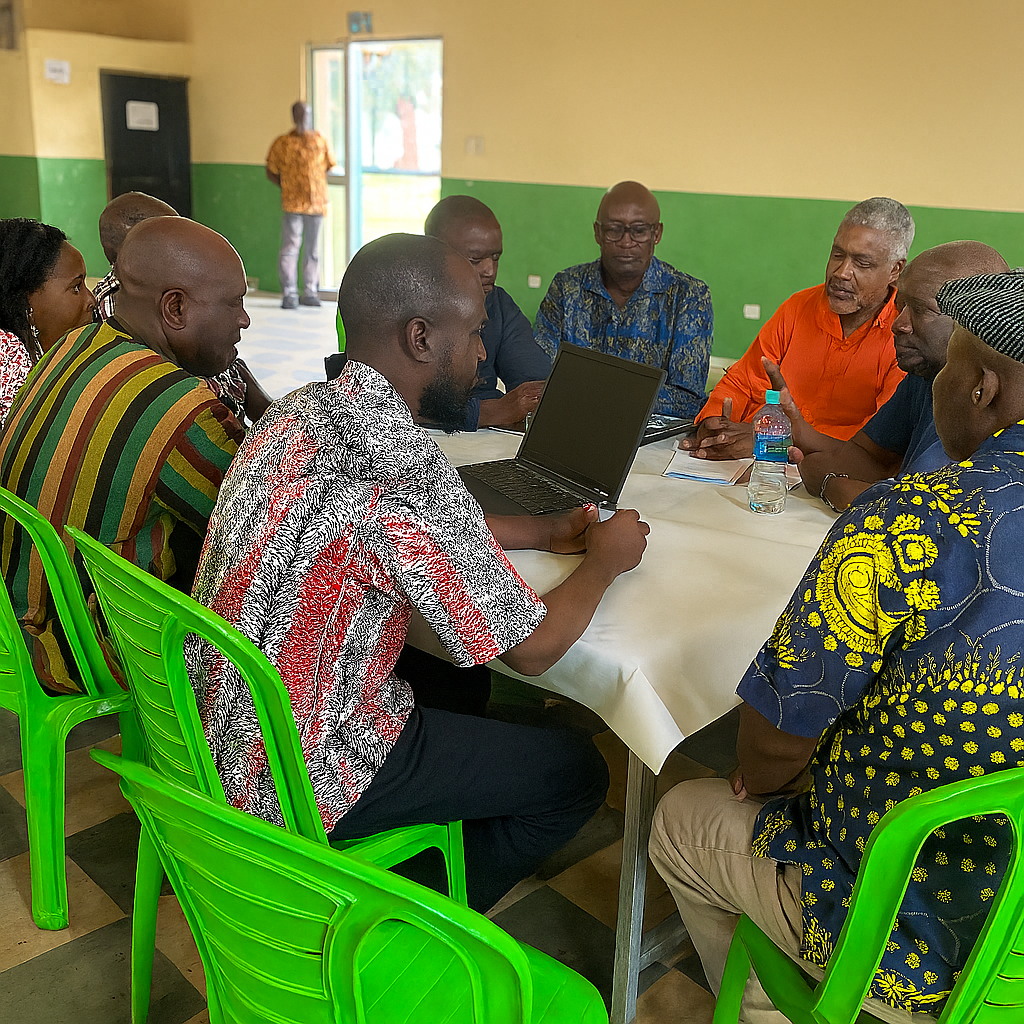
Their presentations sparked energetic discussions. Participants huddled in small groups over worksheets, cross checking data, debating attribution rates, and validating assumptions.
They engaged in robust group work sessions to validate Biodiversity Attribution Rates (BAR) and refine expenditure data, ensuring that the final documents accurately reflect national realities and priorities.
For many, this was the first time they had seen such a comprehensive breakdown of how Liberia funds its environmental priorities.
“We Are Building Something That Will Outlive Us”
The energy in the room was not transactional, but it was generational. Stakeholders understood that they were laying the financial foundation for Liberia’s transition toward a nature positive development path.


