


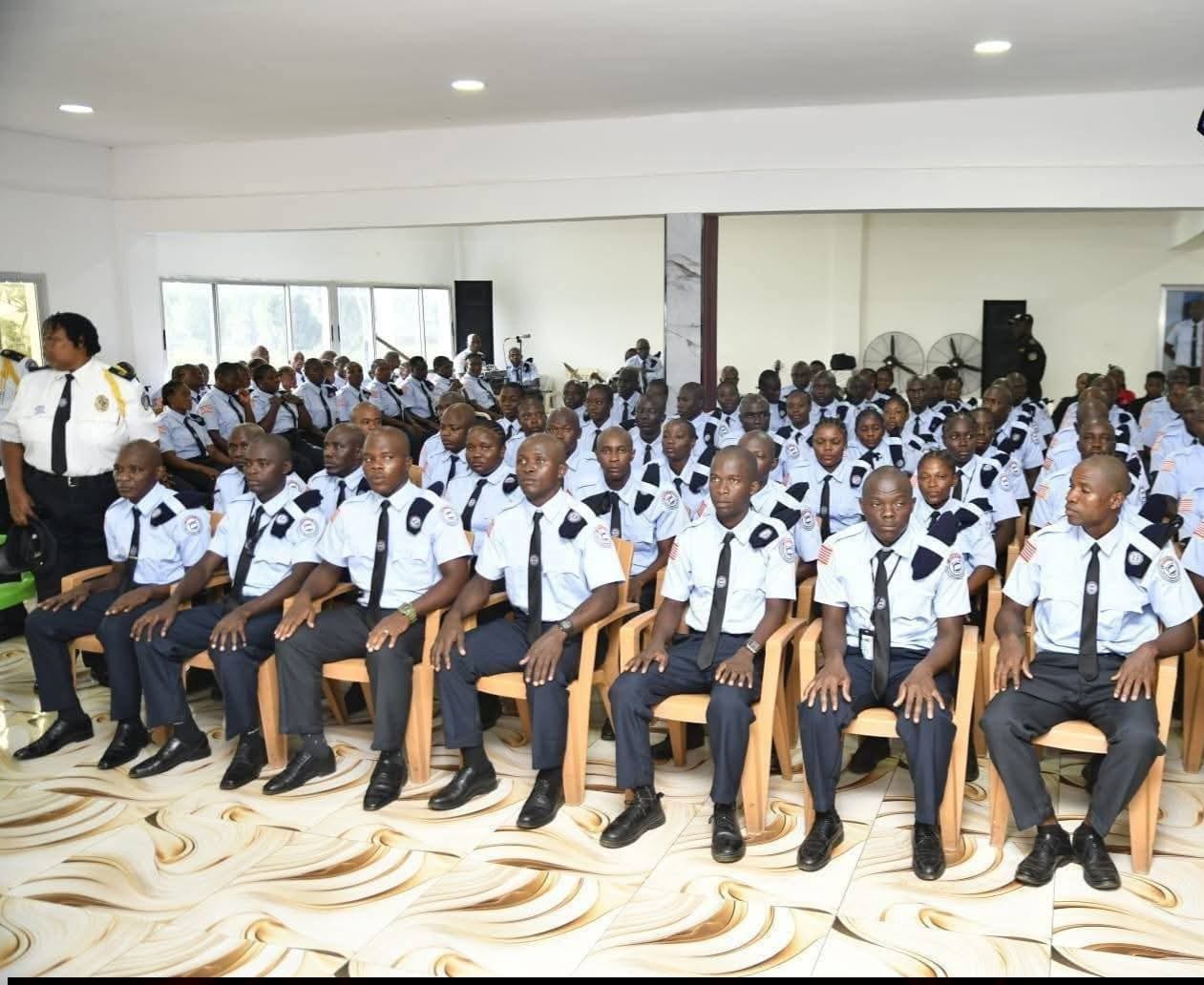
Monrovia, Liberia — The Liberia National Police (LNP) is advancing a new generation of law enforcement officers trained under stricter academic, disciplinary, and professional standards, as its latest recruit class transitions from classroom instruction to real-world field operations ahead of graduation in May 2026.
The cohort, known as Class-47, began its training journey on November 22, 2025, with 81 recruits enrolled at the National Police Training Academy. However, academy officials enforced disciplinary standards early in the program, resulting in the dismissal of two recruits—one for academic dishonesty and another for misconduct—underscoring the institution’s strict enforcement of integrity requirements. The class now stands at 79 recruits, including 46 men and 33 women.
Police authorities say the transition of Class-47 into the Field Training Program marks a critical phase in transforming recruits into operational officers capable of responding to Liberia’s evolving security needs. The field training, which runs from February 23 through May 15, 2026, will expose recruits to real policing environments while strengthening their mobility and response capabilities through specialized motorcycle and vehicle operation training.
Officials emphasized that Class-47 represents a turning point in post-war police reform efforts, particularly in strengthening operational competence. For the first time since Liberia’s civil conflict, an entire recruit class has successfully completed full firearms qualification during basic training, with performance results surpassing institutional benchmarks.

Beyond tactical readiness, the academic credentials of the recruits reflect a deliberate shift toward building a more educated and technically competent police force. According to the Office of the Deputy Inspector General for Manpower Development and Training, all members of Class-47 hold college degrees in fields such as criminal justice, nursing, public administration, and public health—disciplines considered vital for modern, community-focused policing.
Police leadership says this emphasis on higher education aligns with ongoing national security reforms aimed at improving professionalism, accountability, and public trust in law enforcement institutions.
The Liberia National Police also noted that the rigorous training structure, which includes both academic and operational components, is designed to ensure that recruits are fully prepared to meet the demands of contemporary policing while adhering to strict ethical standards.
Graduation for Class-47 is scheduled for May 29, 2026, at which time the recruits are expected to formally join the ranks of Liberia’s national security apparatus.
Authorities say the progress of Class-47 signals continued institutional efforts to strengthen the capacity, credibility, and effectiveness of the police force as Liberia works to sustain peace and enhance public safety.


