


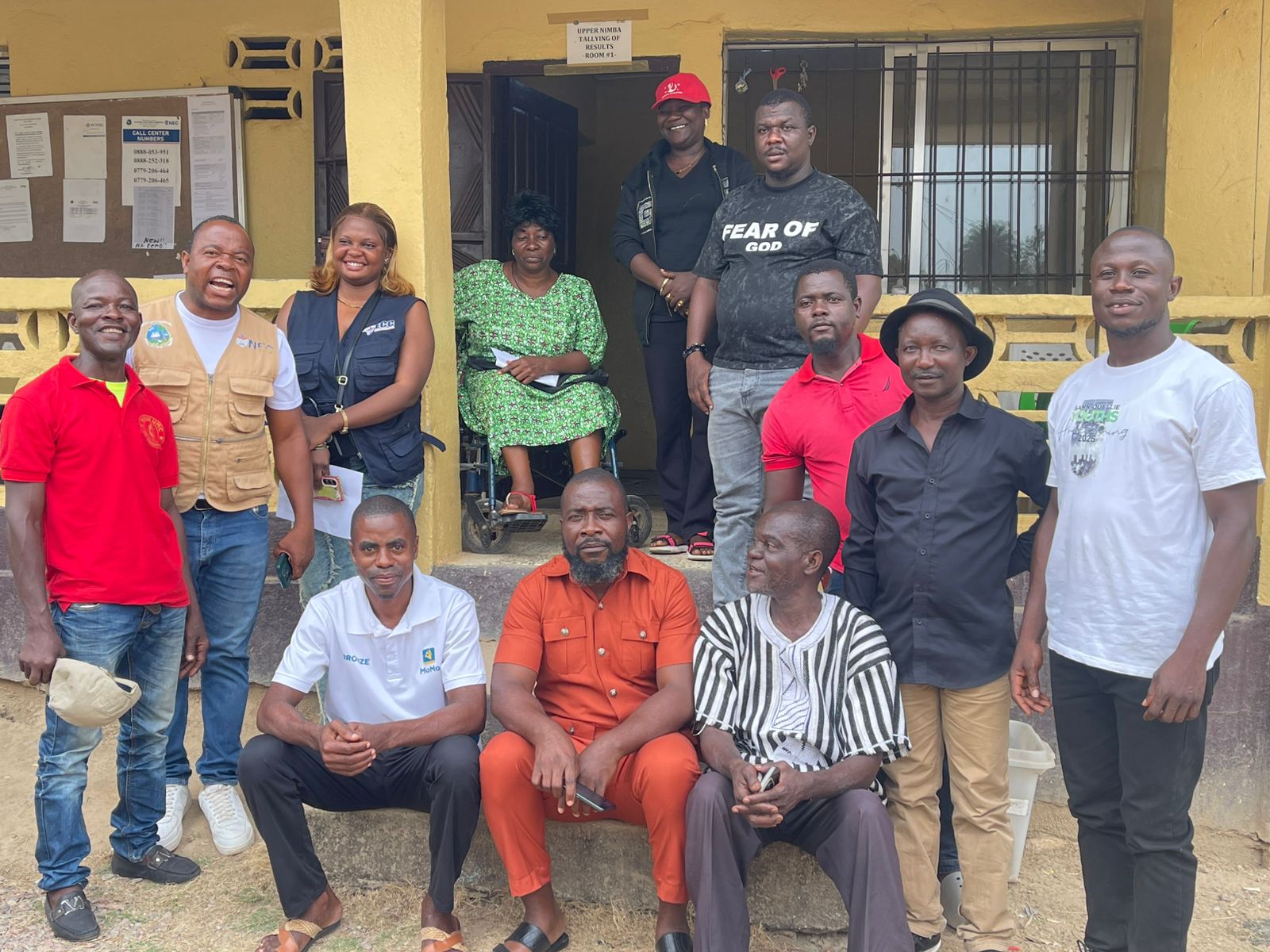
In many democracies, the real work of credible elections begins long before citizens ever step into a voting booth. In Monrovia, that quiet but critical work is already underway as Liberia begins laying the foundation for elections the nation can proudly stand behind in 2029.
On March 4, 2026, the National Elections Commission of Liberia (NEC) launched a comprehensive institutional capacity assessment supported by the United Nations Development Programme through the Liberia Electoral Support Project. While the term “capacity assessment” may sound technical, its purpose is deeply connected to the everyday hopes of Liberians: credible, inclusive, and transparent elections.
At its core, the initiative represents a forward-looking effort to ensure that Liberia’s democratic institutions are fully prepared to deliver elections that citizens can trust.
The assessment arrives at a strategic moment. The NEC is currently finalizing its Strategic Plan for 2026–2030, a roadmap designed to guide the commission’s work over the next five years. Rather than simply outlining goals, the plan is grounded in reflection and evidence. The assessment asks fundamental questions about the institution’s readiness to manage future elections:
Where are the commission’s strengths? Which areas require improvement? What systems must be strengthened to ensure efficiency and independence? How can Liberia sustain strong electoral management beyond temporary donor support?
By confronting these questions now, the NEC aims to build an institution capable of managing elections with greater confidence, professionalism, and accountability.
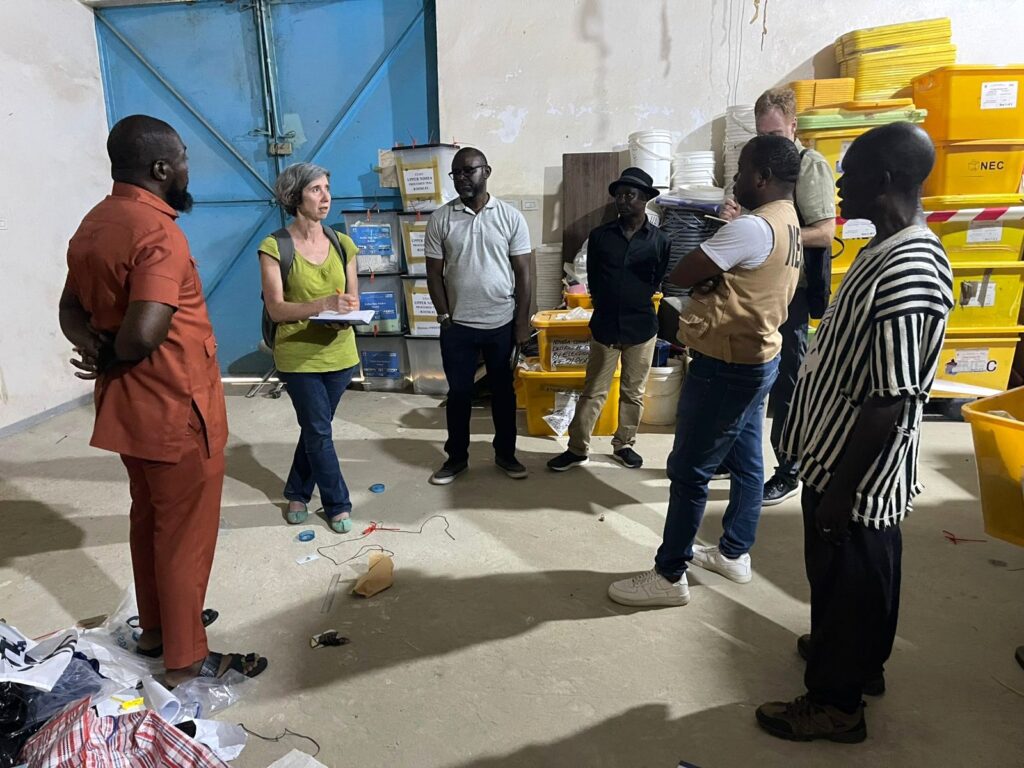
Leading the assessment is a diverse team of experts combining international experience with local insight. Senior electoral advisors Hannah Roberts and Ian Smith are working alongside Dala Korkoyah, whose expertise in monitoring, evaluation, and learning brings valuable national perspective to the process.
Their work goes far beyond compiling reports. The team is actively engaging with stakeholders, listening carefully, and asking difficult questions to better understand the commission’s operational realities.
This collaborative approach helps ensure that the final findings are both accurate and grounded in the lived experience of those responsible for delivering elections.
Importantly, the assessment is not limited to offices in Monrovia. The team has undertaken a nationwide effort to understand how electoral systems function in practice.
Their work includes:
Reviewing years of electoral reports, documents, and institutional lessons. Consulting with NEC leadership and staff at both national and county levels. Visiting Magistrate Offices outside the capital to understand local challenges. Engaging political parties, civil society organizations, government agencies, and development partners. Triangulating information from multiple sources to ensure balanced and credible findings
This wide-ranging engagement reflects a key principle of democratic governance: elections are not managed in isolation. They depend on coordination, partnership, and trust among many actors. The assessment provides a comprehensive look at the factors that influence the NEC’s ability to deliver successful elections.
Key areas under review include: Human resources and staff professional development, Internal systems, workflows, and coordination across departments. Relationships with institutions that support electoral processes Operational, financial, and institutional risk factors. Sustainability and cost-effectiveness of election management. Changing donor landscapes and evolving stakeholder expectations
By analyzing these areas together, the assessment aims to build a realistic picture of the commission’s strengths and the reforms needed to enhance its effectiveness.
The capacity assessment is only one piece of a broader transformation underway within Liberia’s electoral system.
Additional initiatives currently in progress include: A comprehensive Information and Communication Technology (ICT) assessment. A review of civic and voter education programs. A gender and inclusion analysis of electoral policies conducted with UN Women Together, these reforms are helping to modernize the NEC and ensure that future elections are more inclusive, accessible, and transparent.
Why This Work Matters
Liberia’s democracy is still evolving, but it has shown remarkable resilience. Sustaining that progress requires institutions that are equally resilient. By taking a careful look inward today, the NEC is positioning itself to deliver stronger elections tomorrow—elections that are transparent, efficient, and reflective of the will of the Liberian people.
This is what sustainable democracy looks like: continuous learning, institutional reform, and meaningful collaboration between national leaders and international partners.
As Liberia steadily moves toward the 2029 general elections, the groundwork being laid today will help ensure that every voter can approach the ballot box with confidence in the system that protects their voice.
In the quiet work of institutional strengthening, the future of Liberia’s democracy is already being built.


