


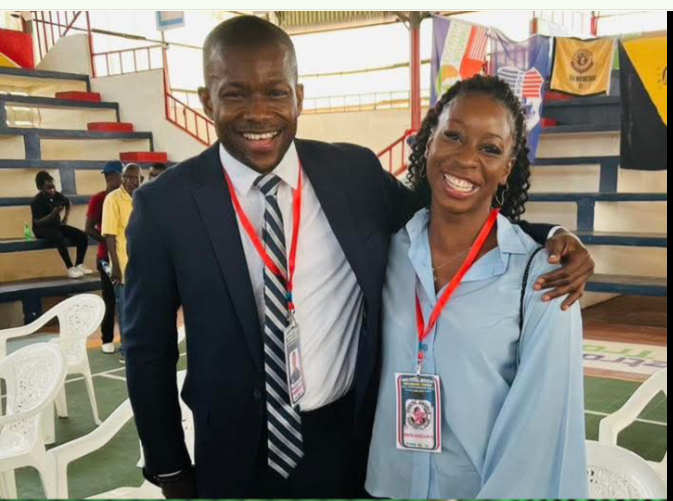
Shatta Angel CEO Ms. Urey has publicly accused Liberia Football Association (LFA) President Mustapha Raji of personal vendetta and political maneuvering after he labeled her a “devil” and a “match‑fixer” ahead of the April 18 General Congress. In a forceful response, Ms. Urey framed the dispute as less about football policy and more about loyalty, power and the treatment of women in the sport.
Narrative Four years ago Ms. Urey says she entered LFA circles as a supporter of Raji, moving freely between Women’s Upper League and lower division matches. Today she backs Cassell Kuoh for the presidency — a shift she attributes to feeling manipulated and publicly humiliated by Raji when she once pushed his agenda. Ms. Urey alleges that after falling out with Raji she has been marginalized: branded a match‑fixer, effectively banned from football activities without evidence, and denied the subventions her club is owed. She says Raji publicly claimed checks were ready while her team remained unpaid.
In a personal and bitter recounting, Ms. Urey says Raji privately encouraged her but repeatedly disowned and denigrated her on air when media scrutiny intensified over her role on an awards committee. She promises a forthcoming live explanation of the fallout, insisting her support for Kuoh stems from Raji’s “selfish” leadership style rather than club interests. Citing more than $200,000 of personal investment in Shatta Angels and incidents of seeking support amid alleged sexual harassment, she rejects suggestions her allegiance is transactional.
Analysis The clash spotlights three intertwined dynamics within Liberian football governance: factionalism ahead of a pivotal congress, allegations of leadership abuses, and the gendered vulnerabilities of female stakeholders. Ms. Urey’s claims — if verified — raise questions about the LFA’s internal accountability, transparency in disbursement of funds, and the role of personal networks in access to the game’s resources.
Raji’s public denouncements serve as a tactic to delegitimize rivals by targeting personal character rather than addressing policy disputes. Conversely, Ms. Urey’s appeal to financial sacrifice and personal mistreatment reframes the debate as one of moral authority and protection of stakeholder rights. For neutral observers, the dispute underscores the need for transparent grievance mechanisms within the LFA and safeguards for women who invest in and manage clubs.
However, whether Ms. Urey produces corroborating evidence of withheld subventions or procedural bans. Raji’s response and whether the LFA pursues formal sanctions or an internal inquiry. How delegates at the April 18 Congress respond to allegations of patronage and mistreatment when casting their votes.


