


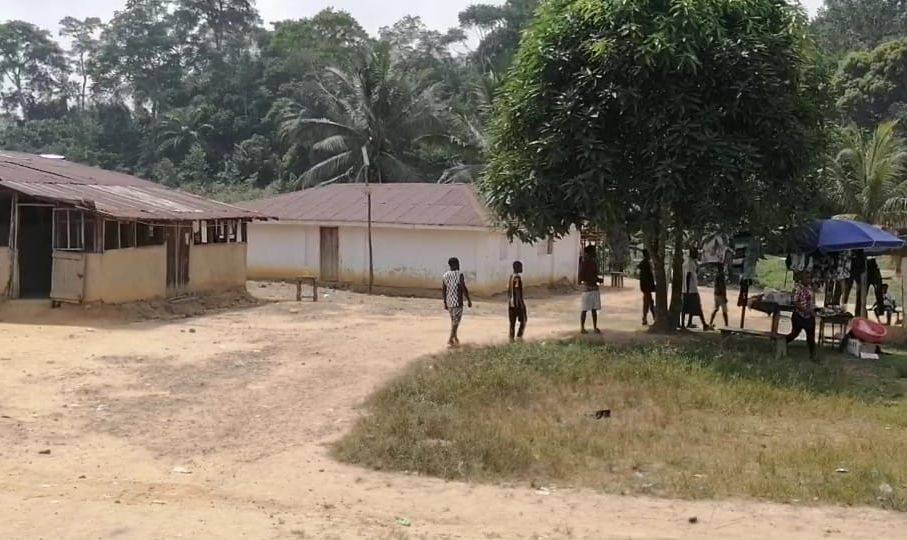
Feburary 18,2026 Gborwuzohn, Kploh Chiefdom, Rivercess County Gborwuzohn may look like any other rural town in Rivercess County, but the article reveals a community literally living on top of gold-rich soil, where even sweep dirt is treated as a valuable resource. This discovery, while fascinating, raises serious questions about regulation, environmental risk, social stability, and who ultimately benefits from this hidden wealth.
Everyday Life Turned into Mining
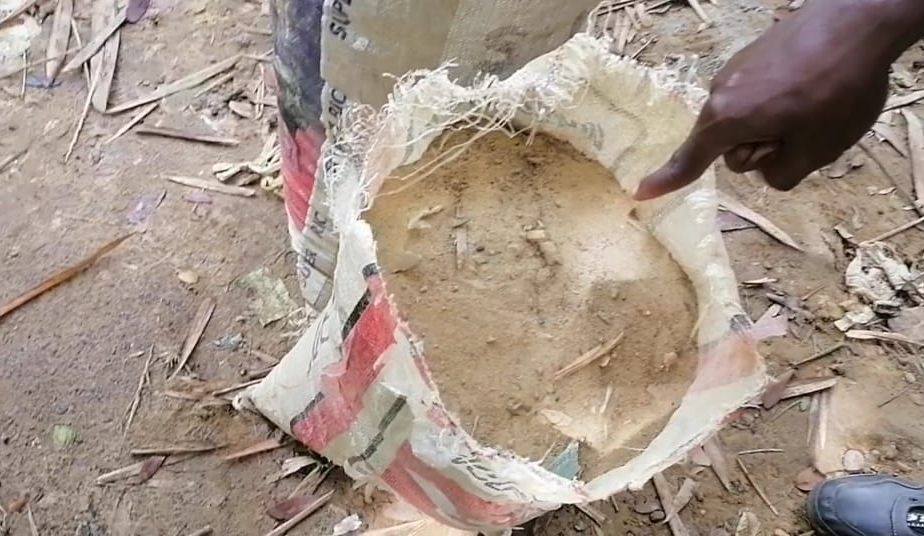
The article reports that residents no longer throw away sweep dirt from homes, streets, and public spaces; instead, they bag it, carry it to nearby water sources, and wash it to recover gold. What would normally be garbage has become a form of daily income.
This blurs the line between ordinary housekeeping and informal mining. It suggests: An extreme level of gold concentration in the soil. A community that now sees its entire environment — yards, streets, and dump sites — as potential mining grounds.
While this offers immediate income, it also signals a town whose economy is becoming dangerously dependent on a single, extractive activity with no formal oversight.
Government Confirmation: Opportunity Without a Plan
The Central Rivercess Statutory Superintendent, Sensee Tolbert Robert, is quoted confirming that “gold is all over Gborwuzohn” and that miners sometimes leave the bush to return to town because the town dirt itself yields gold.
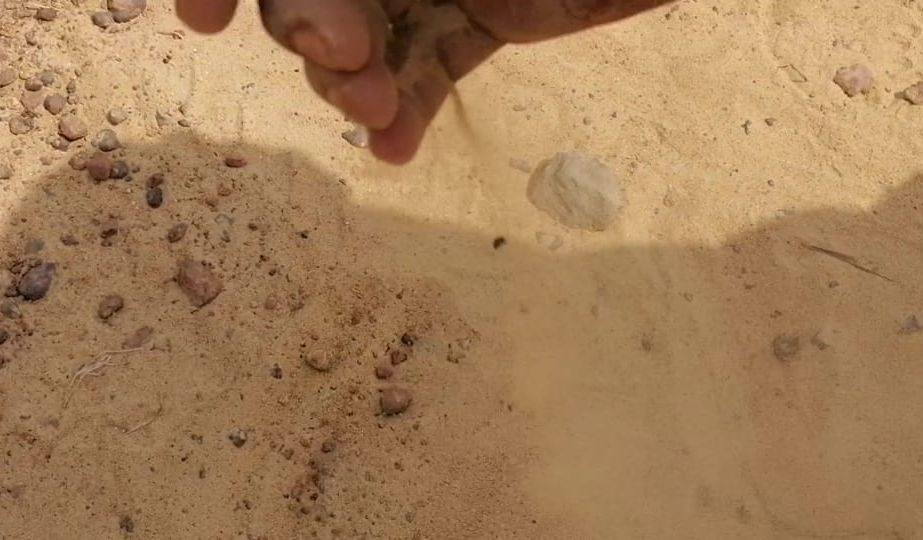
This official acknowledgment is critical. It means: The state is aware that a densely inhabited area is sitting on commercially significant mineral deposits. The phenomenon is not rumor or myth; it is publicly confirmed by a government representative.
What the article does not address is equally important: there is no mention of a clear government plan for regulation, licensing, environmental protection, or community benefit-sharing. That silence raises red flags about future conflict, exploitation, or land disputes.
Town Leadership: Gold as Survival, Not Strategy
Town Chief Rose Jeboe describes gold washing as a normal survival mechanism: if someone is broke, they simply sweep, bag dirt, and wash for gold. She notes that geological assessments allegedly confirm the entire town sits on gold-bearing soil, and even claims that from the front of her own house, six bags of dirt produced about 1.5 grams of gold.
This highlights several critical issues: Gold is treated as an informal social safety net rather than an organized development resource. There is no sign of collective planning, cooperative structures, or community-level management.
- The town dump itself becomes a seasonal gold site, reinforcing the idea that every layer of the community’s physical environment is being mined.
- While this can temporarily reduce hunger and hardship, it also risks entrenching short-term extraction over long-term planning. Once the easily accessible gold is gone, what remains?
Local Miners’ Perspective: Wealth at Arm’s Length: Local miner Obadiah Smith, Jr. confirms that “the dirt from the canter of the town produces gold,” sometimes yielding three to five “diz” (a local measurement) of gold. He notes that residents no longer need to travel into the bush; they can “sit right in the town and make money from sand or dirt. This convenience suggests:
A low barrier to entry: anyone with a pan, bag, and access to a water source can participate. A strong incentive for unregulated, continuous extraction in densely populated areas. However, the article does not examine: The environmental impact of constant washing near water sources. Potential health risks from contaminated water or degraded sanitation. Whether children are involved in the activity, which would raise child labour concerns.
Critical Gaps and Unanswered Questions
While the article paints a vivid and compelling picture of life in Gborwuzohn, it is largely descriptive and does not probe deeper into the structural risks and implications. Some key critical points and questions include: Regulation and Ownership. Who legally owns the gold under the town: the state, the community, or individuals? Are any mining laws, licenses, or permits being applied, or is everything informal?
Security and Conflict Risk
Has the presence of easily accessible gold attracted outside miners, speculators, or powerful interests? What mechanisms exist to prevent land disputes, violence, or exploitation?
Environmental and Health Impact : How is constant washing of soil affecting local water sources? Is there any monitoring of pollution, erosion, or public health issues? Economic Sustainability What happens when the shallow gold in sweep dirt and dump sites is depleted? Is there any effort to convert this temporary windfall into long-term investments (schools, clinics, businesses)?
Community Benefit and Equity
Are women and marginalized groups benefiting equally, or are certain groups dominating access to dirt and washing sites? Is there any community fund, cooperative, or shared mechanism to ensure that the wealth supports collective development?
A Hidden Fortune at a Crossroads: “Gold beneath their feet” can be both a blessing and a curse. Gborwuzohn’s situation, as described, reveals: A community discovering wealth in its own soil. A state that acknowledges the phenomenon but appears to lack a visible, structured response. A growing dependence on informal mining practices in the very spaces where people live, raise families, and dispose of waste.
The story is powerful, but it stops short of interrogating the long-term consequences of this discovery. Without proactive planning, regulation, and community-centred governance, Gborwuzohn’s hidden fortune could fuel inequality, environmental damage, and conflict rather than broad-based development. This is not just a human-interest story; it is an early warning signal.


