


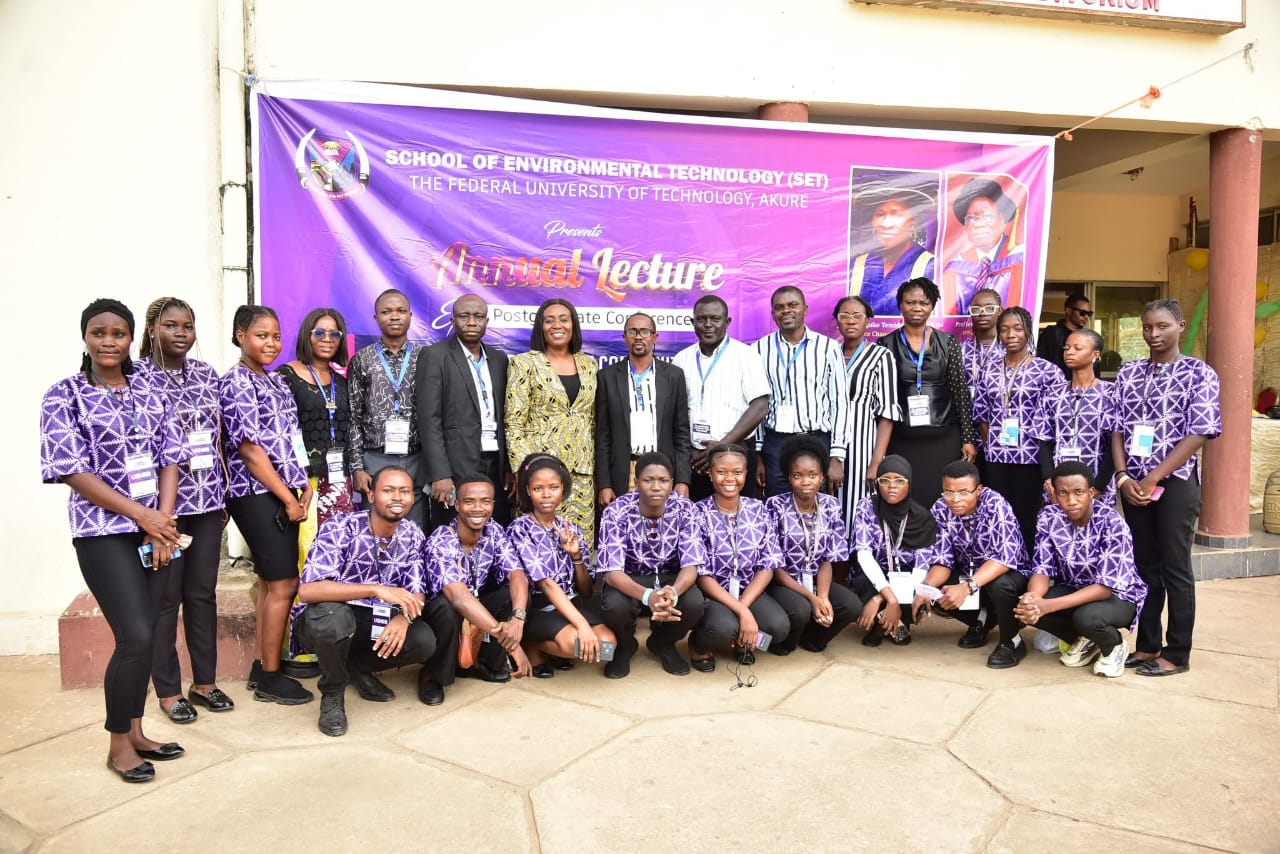
Akure, Nigeria — February 28, 2026 — As climate change continues to reshape cities and livelihoods across Africa, the Federal University of Technology, Akure (FUTA), has positioned itself at the forefront of preparing the next generation of professionals to confront the crisis, using its 2026 Annual Lecture and Postgraduate Conference as a platform to translate academic research into real-world climate solutions.
Hosted by the School of Environmental Technology from February 25 to 28, the conference shifted focus beyond academic theory, emphasizing the urgent responsibility of built environment professionals—including architects, engineers, planners, and construction specialists—to design communities capable of withstanding climate disruptions. The gathering, themed “Climate Resilient Communities: The Role of Built Environment Professionals in the Global South,” brought together scholars, students, policymakers, and industry leaders committed to addressing environmental vulnerabilities through innovation and collaboration.
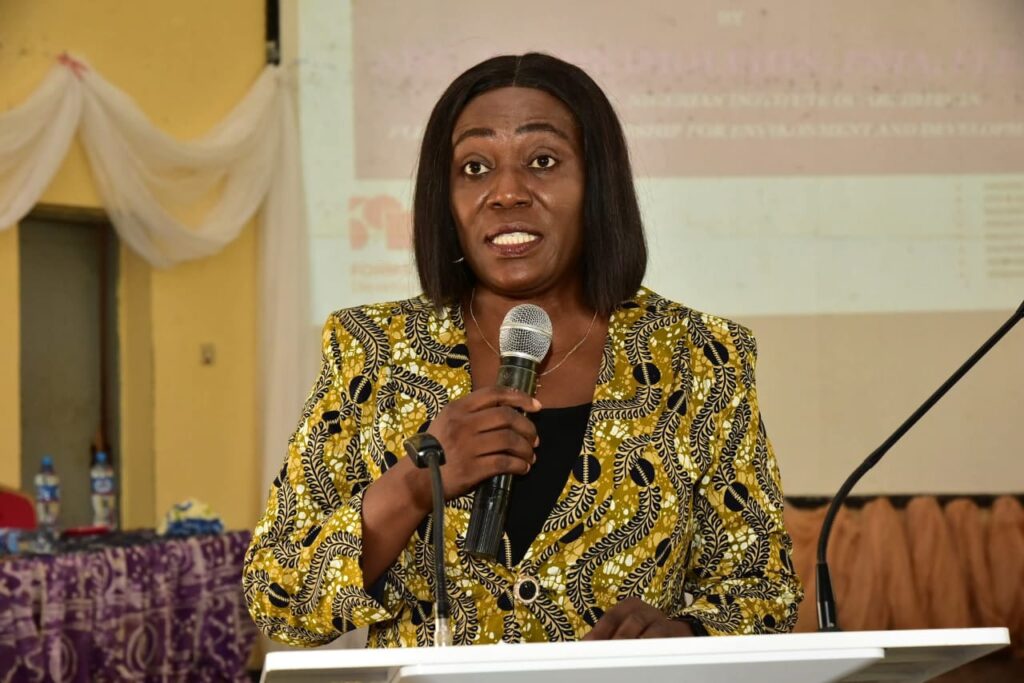
Delivering the keynote address, Architect Tunde Imolehin, Chief Executive Officer of Forms and Spaces Limited in Abuja, stressed that professionals in the built environment hold a decisive role in shaping climate-resilient societies. He noted that countries across Africa and the broader Global South face heightened risks due to rapid urban expansion, weak infrastructure systems, and limited adaptive capacity.
Imolehin emphasized that strengthening resilience requires a coordinated, interdisciplinary strategy that integrates engineering, social planning, governance, and economic considerations. He urged governments, private sector actors, and communities to adopt inclusive planning models that prioritize sustainability, incorporate adaptive technologies, and reflect the lived realities of vulnerable populations.
He also underscored the growing importance of young environmental professionals, noting that emerging architects, planners, and engineers are essential in influencing climate policy, advancing sustainable infrastructure, and introducing innovative materials and technologies that reduce environmental risk.
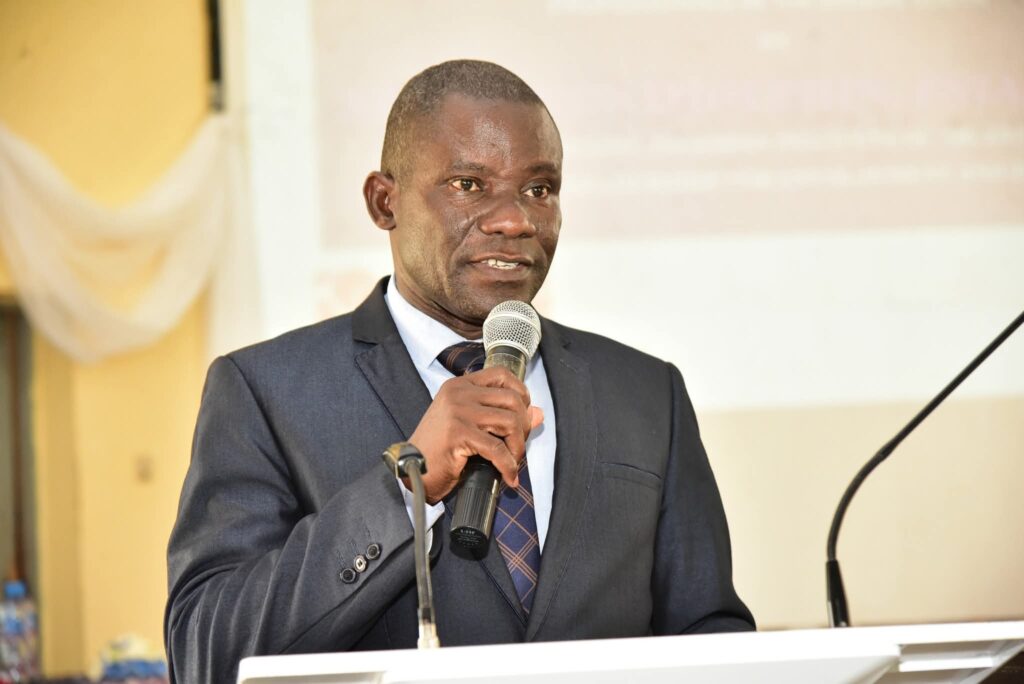
Dean of the School of Environmental Technology, Professor Joseph Bashorun, said the conference reflects FUTA’s broader mission to serve as a center of excellence in environmental research and sustainable development. He described the gathering as a vital forum for exchanging ideas, strengthening professional networks, and advancing solutions to pressing environmental challenges.
According to Bashorun, the school has expanded its academic footprint with nine accredited departments and plans underway to establish a dedicated School of Architecture, reinforcing its commitment to training specialists equipped to tackle global environmental threats.
Representing the Vice-Chancellor, Professor Adenike Oladiji, Deputy Vice-Chancellor for Development, Professor Sunday Oluyamo, described the conference as essential to preserving the university’s core values of knowledge creation, innovation, and societal impact. He expressed optimism that the event would deepen engagement on climate resilience while empowering students to connect with experts and contribute meaningfully to environmental solutions.
Chairperson of the Organizing Committee, Professor Dorcas Ayeni, framed the conference as a call to action, urging professionals to embrace both indigenous knowledge and modern technology in designing sustainable communities. She noted that Africa’s traditional settlement patterns—often aligned with natural environmental systems—offer valuable lessons for contemporary climate-responsive design.
Ayeni stressed that the ultimate goal of the conference was to bridge the gap between research and implementation, encouraging practitioners to support evidence-based regulations, invest in local innovations, and accelerate efforts to strengthen community resilience.
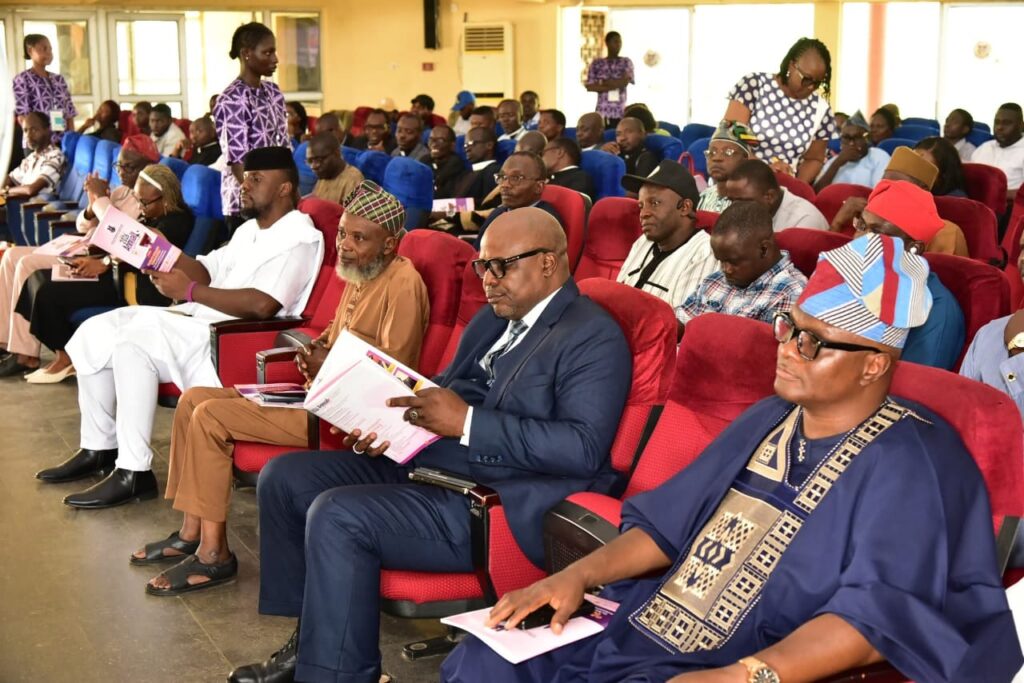
The conference also featured exhibitions from various departments, showcasing student and faculty innovations ranging from architectural design models and digital surveying equipment to construction materials, industrial design products, and textile innovations. These displays highlighted the practical dimension of FUTA’s academic programs and their relevance to addressing environmental challenges.
In addition to academic presentations, the event recognized distinguished alumni whose professional achievements have contributed significantly to environmental and built environment development. Among those honored were Prince Shaka Momoh, TPL Abimbola Tofowomo, TPL Olufemi Bamishaiye, Architect Tajudeen Ajayi, Uzorchikwa Igbenabor, and Elijah Olawumi.
As climate risks intensify across Africa, FUTA’s conference underscored a growing consensus: universities must move beyond traditional instruction and become active drivers of climate innovation, equipping professionals with the tools and knowledge needed to safeguard communities and shape a more sustainable future.


