


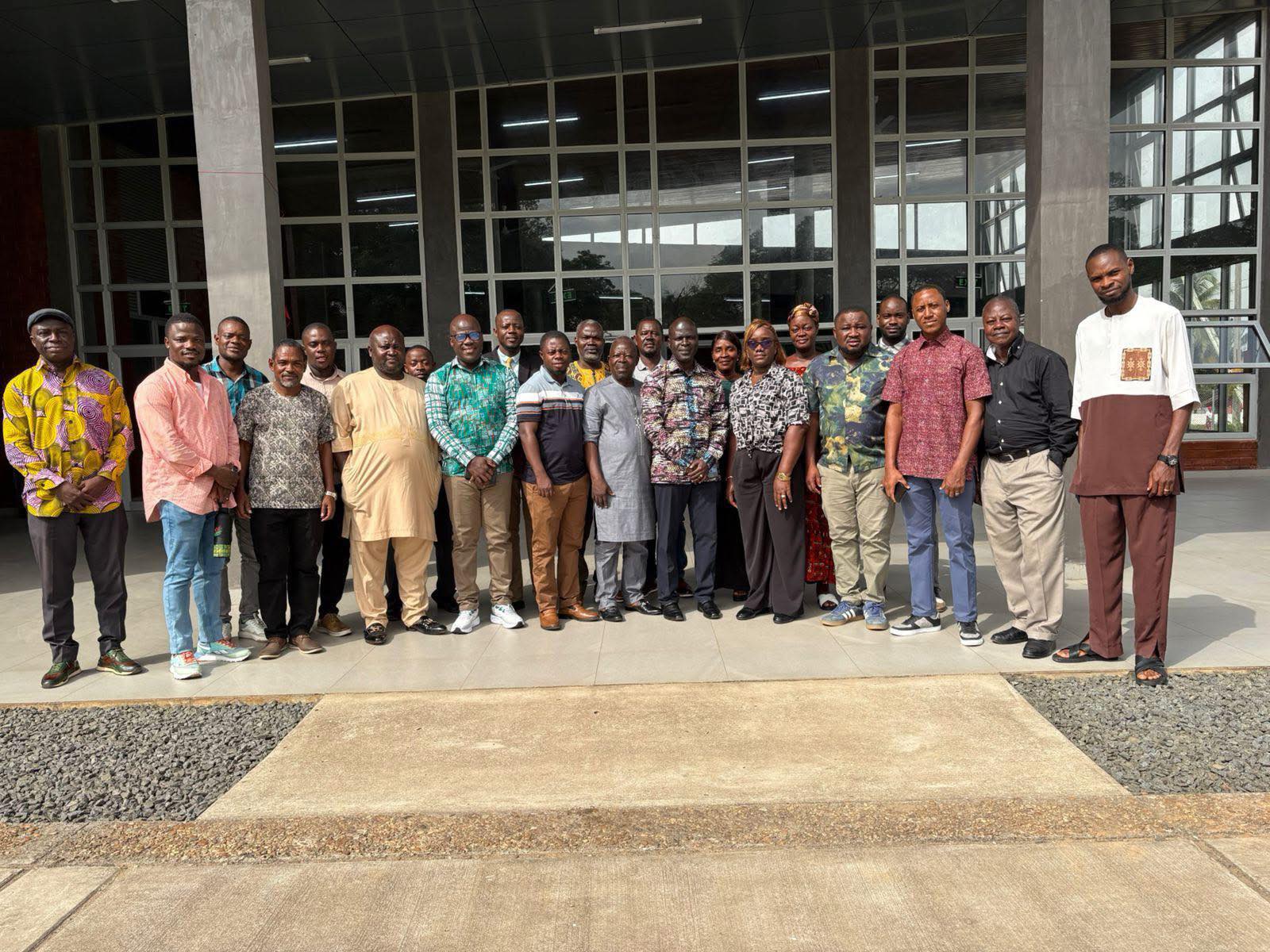
Paynesville City, February 18, 2026 – Liberia has taken a decisive step toward strengthening control over its biological wealth with the validation of its first National Report on the Nagoya Protocol on Access and Benefit Sharing (ABS). The milestone event, hosted by the Environmental Protection Agency (EPA) at the Liberia Learning Centre in Paynesville, signals a shift from resource extraction to equitable resource governance.
The validation brought together policymakers, environmental specialists, community representatives, consultants, and development partners to review progress and shape the country’s next phase of implementation.
Speaking at the opening session, EPA Executive Director Dr. Emmanuel King Urey Yarkpawolo described the report as more than a compliance requirement. He framed it as a national commitment to ensuring that Liberia’s forests, wetlands, rivers, mangroves, and coastal ecosystems are managed in ways that guarantee fairness for the communities that sustain them. These ecosystems not only support livelihoods, food security, and traditional medicine but also carry significant scientific and commercial value.
Dr. Yarkpawolo acknowledged that historically, countries rich in biodiversity—along with local communities—have often received little recognition or compensation when their genetic resources and traditional knowledge were utilized. He emphasized that the Nagoya Protocol provides a legal framework to address this imbalance by mandating fair and equitable benefit sharing.
He further stressed that Access and Benefit Sharing extends beyond environmental policy. It intersects with governance, economic development, cultural preservation, and national sovereignty, while encouraging responsible research and sustainable investment.
The First National Report outlines Liberia’s progress, including policy development, improved institutional coordination, stakeholder engagement, and initial steps toward systems for prior informed consent and mutually agreed terms. However, it also identifies persistent gaps, such as the need to finalize legal instruments, strengthen public awareness, and enhance monitoring and compliance mechanisms.
Frances B. Seydou, EPA Director of Intersectoral Coordination and National Focal Point for the Nagoya Protocol, provided additional context. She explained that the protocol, adopted in 2010 under the Convention on Biological Diversity and entering into force in 2014, was designed to regulate access to genetic resources and ensure transparency and equity in benefit sharing.
She noted that Liberia, a Party to the Convention since 1995, is obligated to develop national ABS legislation, establish institutional frameworks, protect traditional knowledge, and regularly report implementation progress. The validated report evaluates current laws, institutional arrangements, achievements, and existing challenges.
Key obstacles highlighted include limited public awareness, low technical capacity, weak inter-agency coordination, and insufficient monitoring systems. Nonetheless, stakeholders identified opportunities to strengthen the legal framework, build institutional capacity, expand community participation, and foster partnerships to advance effective implementation.
The EPA indicated that feedback gathered during the validation workshop will be incorporated into the final report. The document will serve as a strategic guide for Liberia’s continued efforts to conserve biodiversity while ensuring that benefits derived from genetic resources are shared fairly with the communities that protect them.


