


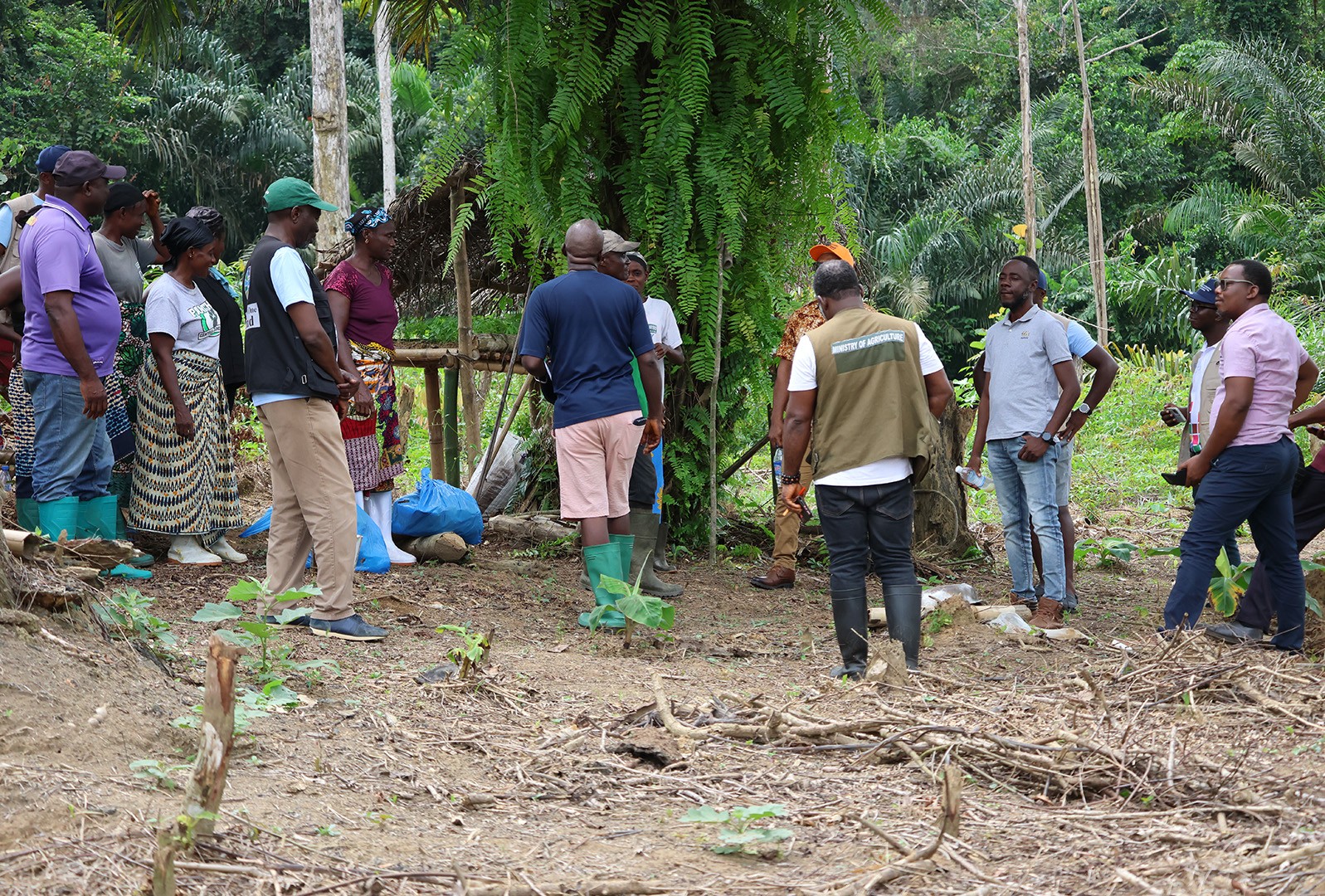
In the quiet corners of Liberia’s Grand Gedeh, River Gee, and Sinoe counties, a transformation is taking root. What began as a few training sessions and pilot projects has grown into a people-powered movement — where communities once surviving from the forest are now protecting it.
The morning sun burns through the haze, but it doesn’t slow them down. From farmers tending neat rows of new crops to beekeepers buzzing with pride, life on the forest’s edge is changing — one household at a time.
From Extraction to Protection
For decades, residents in these regions relied on hunting, tree-cutting, and shifting cultivation just to get by. Today, they are adapting to a new rhythm: climate-smart agriculture and sustainable livelihoods that strengthen both people and nature.
Villagers now plant crops in rows instead of scattered plots, raise goats and sheep in improved shelters, and join Village Savings and Loan Associations (VSLAs) that turn tiny savings into small businesses. These changes are not cosmetic; they’re rewriting what survival looks like in forest communities.
Hands-On Help, Real Results
This transformation stems from the Community-Based Forestry Management (CBFM) initiative, a partnership involving UNDP, FAO, and local development group PADEV, with backing from the Swedish Embassy. Instead of providing short-term aid, the project offers tools, training, and opportunities that make conservation a natural choice.
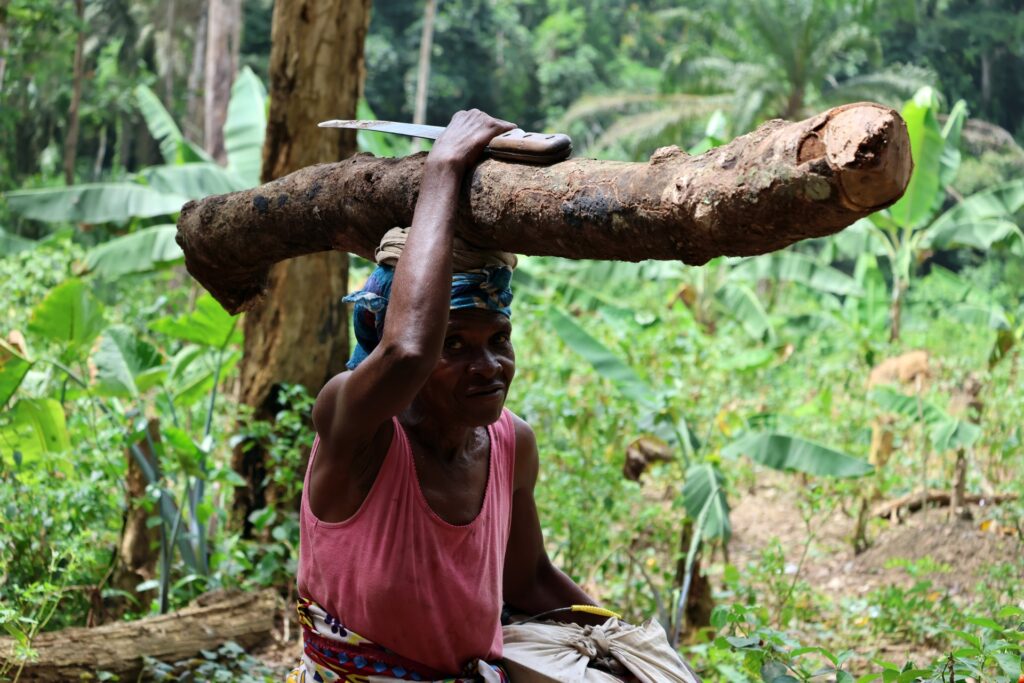
Climate-Smart Farming: Farmers learn to use nursery beds, prevent soil erosion, and make organic compost. Beekeeping: Modern hives and safety gear help residents produce market-ready honey. Livestock and Cane Rat Farming: Livestock pens improve animal health and reduce pressure on wild species. VSLAs: Families gain access to small loans and the financial confidence to expand their farms or start new trades.
Each activity replaces practices that once depleted the forest with ones that restore it — turning environmental protection into a source of pride and income.
Stories of Change
In Dweh Town, Victoria and Daniel’s farm now thrives through better soil management. “With the way I see the plants growing now, I am hopeful,” she says, smiling as neat rows of peppers shine in the sun.
Nearby, Oretha Krayou, once uncertain about how to care for her cocoa trees, now produces her own natural fertilizer. “We are going to make good money,” she adds, her optimism echoing across the community.
For Randall B. Naigow, a former hunter, the shift is deeply personal. “We can farm in the forest and let the animals live free,” he says proudly. His story captures the heart of this change — from taking from the forest to living alongside it.
Beekeeper Victor Tarley Wulu, leader of a growing group of honey producers, chuckles as he checks his hives: “We never knew bees could stay in the forest.” Today, his laughter mingles with the low hum of thousands of pollinators, a sign of both renewal and livelihood.
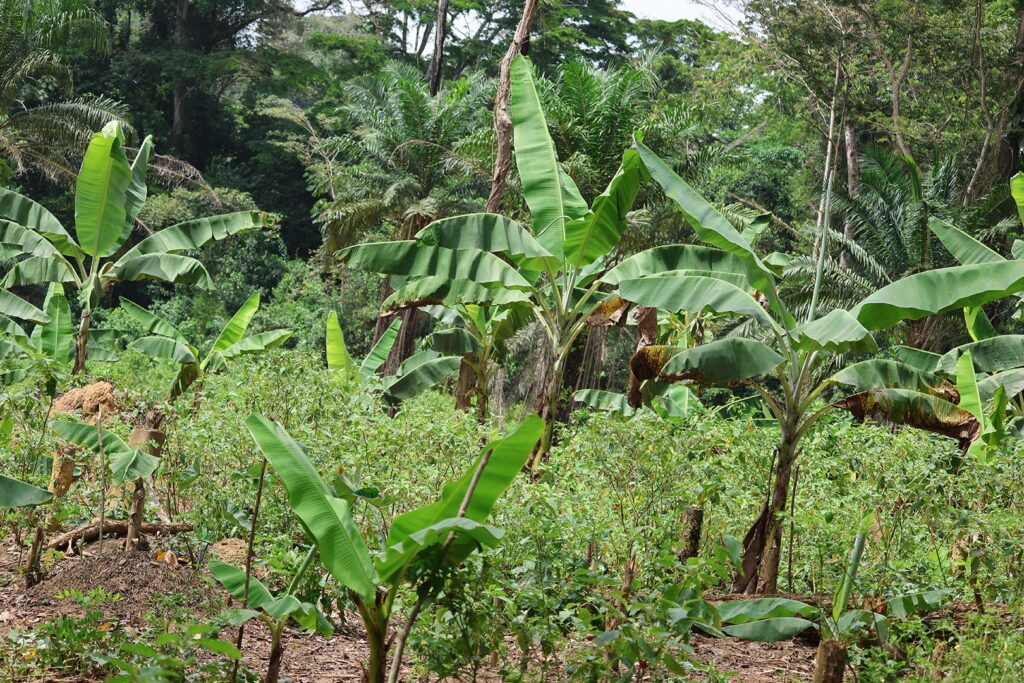
Challenges remain — from managing livestock diseases to expanding access to markets — but the momentum is clear. Entire families now earn from crops, honey, and livestock instead of logging or hunting. Women and youth stand at the center of this progress, finding new agency through savings groups and entrepreneurship.
In these forests, conservation is no longer imposed from the outside; it is lived from within. Each farm, hive, and loan group adds another layer of resilience to both the community and the ecosystem.
What began as a development program is now a movement. Across Liberia’s forest belt, rural families are proving that when local people are truly empowered, both livelihoods and landscapes can thrive.


