


Monrovia, Liberia; February 19, 2026: – Liberia’s electoral reform process gained renewed momentum as the National Elections Commission (NEC) convened civil society actors, media professionals, and key electoral stakeholders to strengthen coordination and transparency in the country’s upcoming boundary delimitation review.
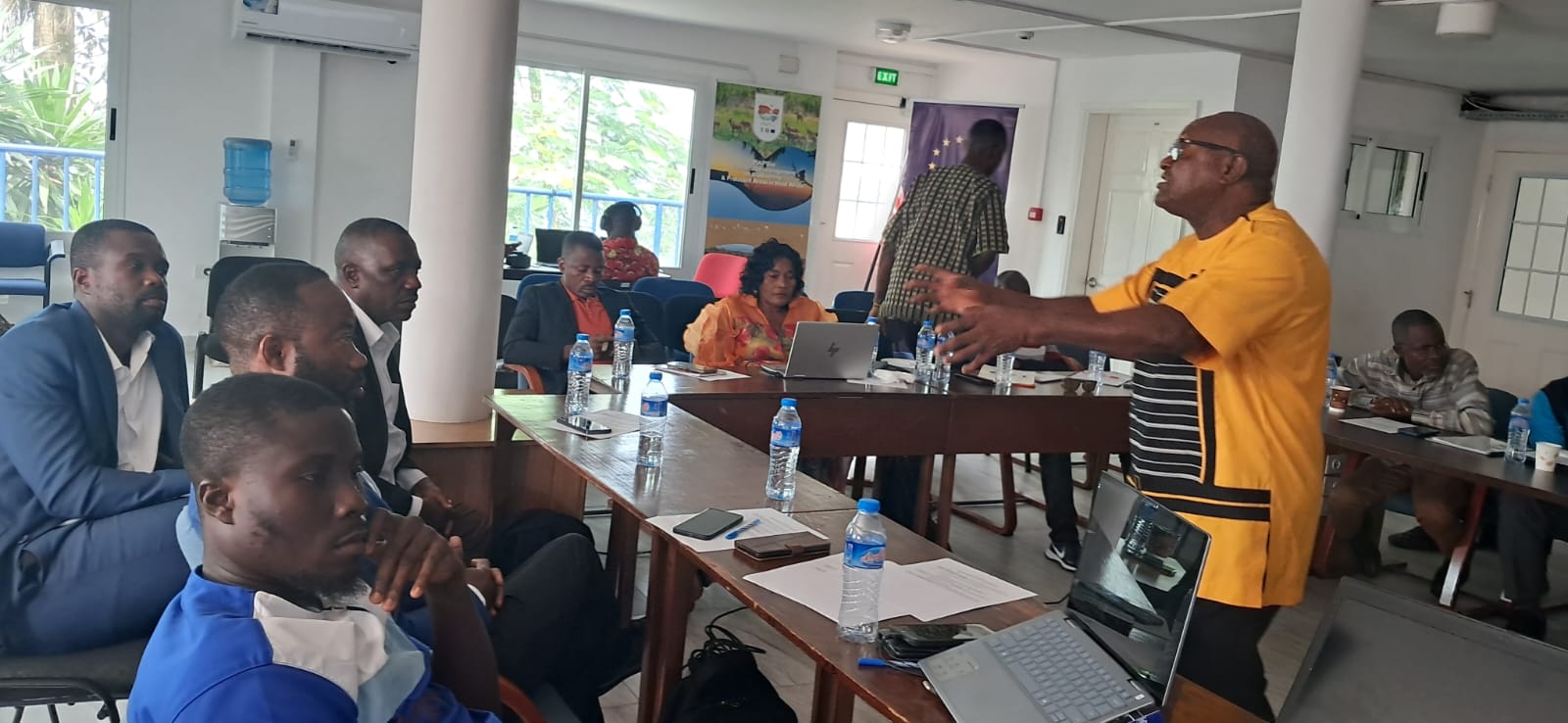
The day-long advocacy strategy session, hosted at the European Union Delegation to Liberia offices on February 18, was designed not merely as a consultative meeting but as a working forum to align technical planning with public accountability. The initiative forms part of the Liberia Electoral Support Project, implemented jointly by NEC and the United Nations Development Programme (UNDP), with financial backing from the European Union, Irish Aid, and the Government of Sweden.
Opening the session, NEC Chairperson Davidetta Browne Lansanah emphasized that boundary delimitation is both a technical and civic responsibility. She underscored the critical role of civil society organizations (CSOs) in ensuring that communities are accurately informed and meaningfully engaged throughout the review process.

According to the Chairperson, a credible boundary exercise must be conducted in a transparent, inclusive, and lawful manner. She stressed that stakeholder participation is not a procedural formality but a cornerstone of public trust and democratic legitimacy.
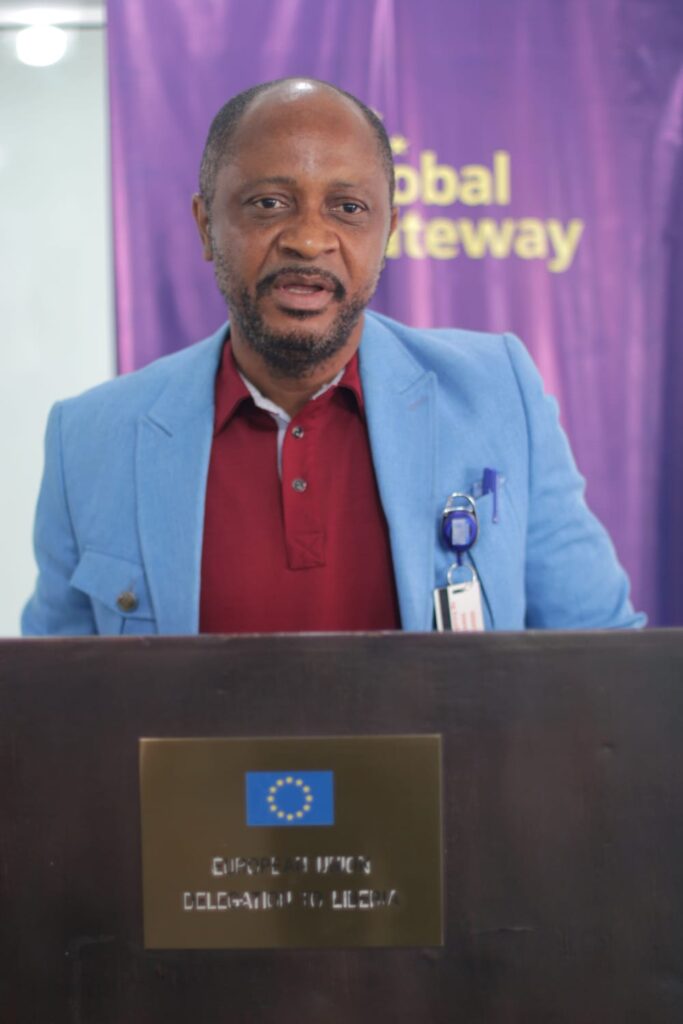
Representing UNDP, Roosevelt Zayzay, Program Officer under the Liberia Electoral Support Project, described boundary delimitation as one of the most sensitive components of electoral reform. He noted that such processes carry significant technical, political, and social implications, requiring deliberate coordination and strategic communication to mitigate risks and prevent misunderstandings.
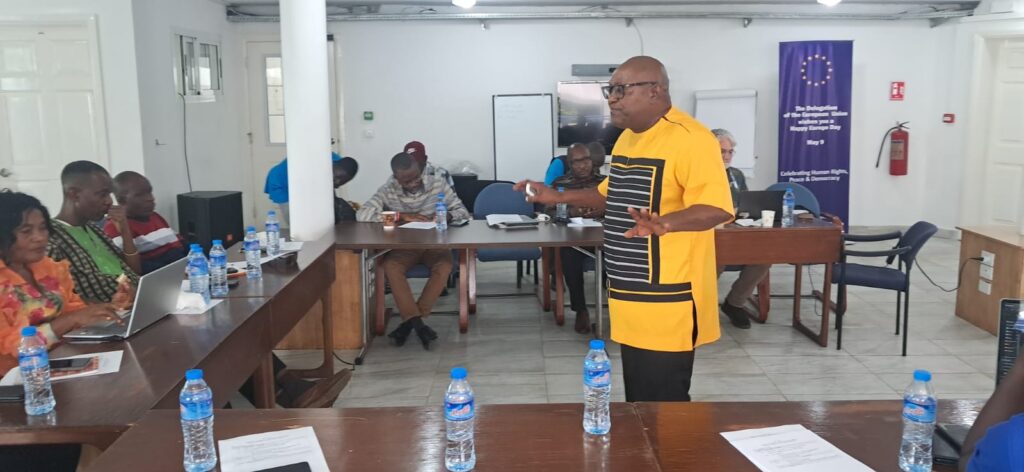
His remarks reinforced the necessity of a multi-stakeholder framework—one that integrates technical expertise, institutional clarity, media engagement, and community outreach.
Participants engaged in detailed discussions on Liberia’s specific challenges related to boundary delimitation. Key issues identified included inconsistencies in administrative and geographic data, public misconceptions regarding constituency adjustments, and limited awareness about how boundary changes affect representation.
Stakeholders also acknowledged potential vulnerabilities, including misinformation, politicization of the process, and logistical complications if institutional roles are not clearly defined. These concerns underscored the importance of coordinated messaging and robust civic education.
The session moved beyond diagnosis to concrete planning. Participants developed draft Terms of Reference for a proposed High-Level Steering Committee, outlined steps toward establishing a Technical Working Group, and initiated formation plans for a dedicated NEC Boundary Delimitation Task Force.
Additionally, the meeting produced a communications and civic education strategy aimed at strengthening public understanding and engagement. Action plans were drafted to clarify institutional responsibilities, advocacy priorities, and risk mitigation measures in the months ahead.
These outputs will directly inform preparations for the nationwide boundary review, a key component of Liberia’s broader electoral reform agenda in advance of the 2029 General Elections.
The boundary delimitation exercise is central to ensuring equitable representation and reinforcing electoral integrity. Through the Liberia Electoral Support Project, NEC and UNDP—alongside partners such as UN Women and the Netherlands Institute for Multiparty Democracy—continue to support institutional capacity-building and democratic accountability.
As the session concluded, participants affirmed a shared commitment to safeguarding the credibility of the review process. The consensus was clear: technical accuracy alone is insufficient. Public trust, transparent communication, and inclusive participation are equally essential.
With strengthened coordination and renewed stakeholder engagement, Liberia is advancing toward a more representative electoral framework—one designed to ensure that constituency boundaries reflect demographic realities and uphold the principle that every vote carries equal weight.


